






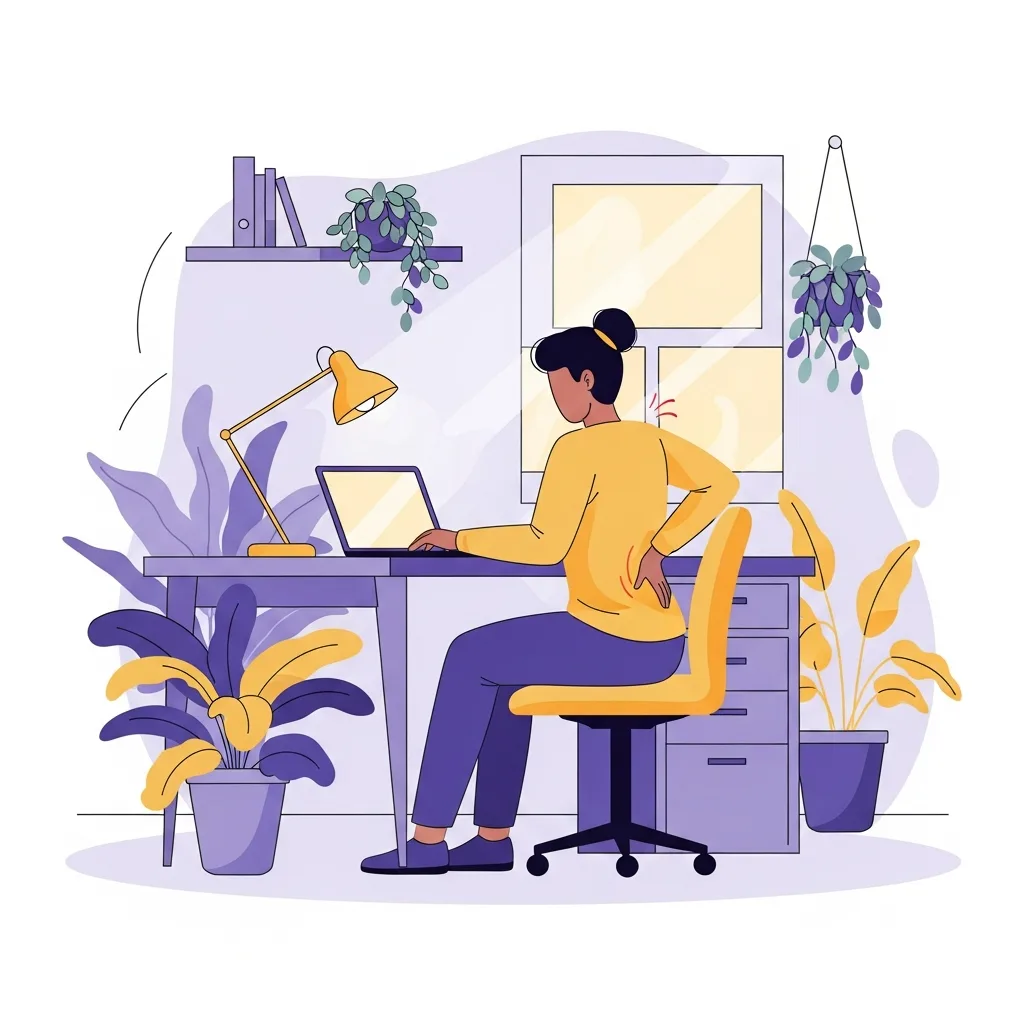
The modern work culture has changed the way people spend their day. Today, many professionals spend hours in front of laptops, sitting in long meetings, commuting through traffic and generally remaining in the same position. This lifestyle may seem normal but it does put a constant pressure on the back, neck and shoulders.
Many office workers find the discomfort creeps in slowly. You may notice a bit of stiffness after work, mild lower back pain while sitting, or shoulder tightness after long laptop sessions. Over time these little nuisances can become part of the daily routine, impacting productivity, sleep quality, concentration and general comfort.
The long office hours coupled with traffic-laden commutes in India make the problem worse. IT companies, customer support roles, finance, design, remote jobs and desk-based careers many professionals tend to sit for 8-12 hours every day. Bad sitting posture, lack of movement and poor support for the back can slowly increase the load on the spine and the musculature around it. [1]
Good news: a few simple changes can help improve your posture and cut down on daily discomfort. Better sitting habits, movement breaks, stretching, ergonomic support and healthier routines can really make a difference over time.
In this article, we will look at the reasons long office hours tend to lead to back pain, the signs people tend to ignore and easy ways to make work days more comfortable.
The Impact of Long Office Hours on Back Pain
The human body is meant for movement, not for sitting in the same position for hours on end. Extended periods of sitting without proper posture or support increase stress on the muscles and joints surrounding the spine. [2]
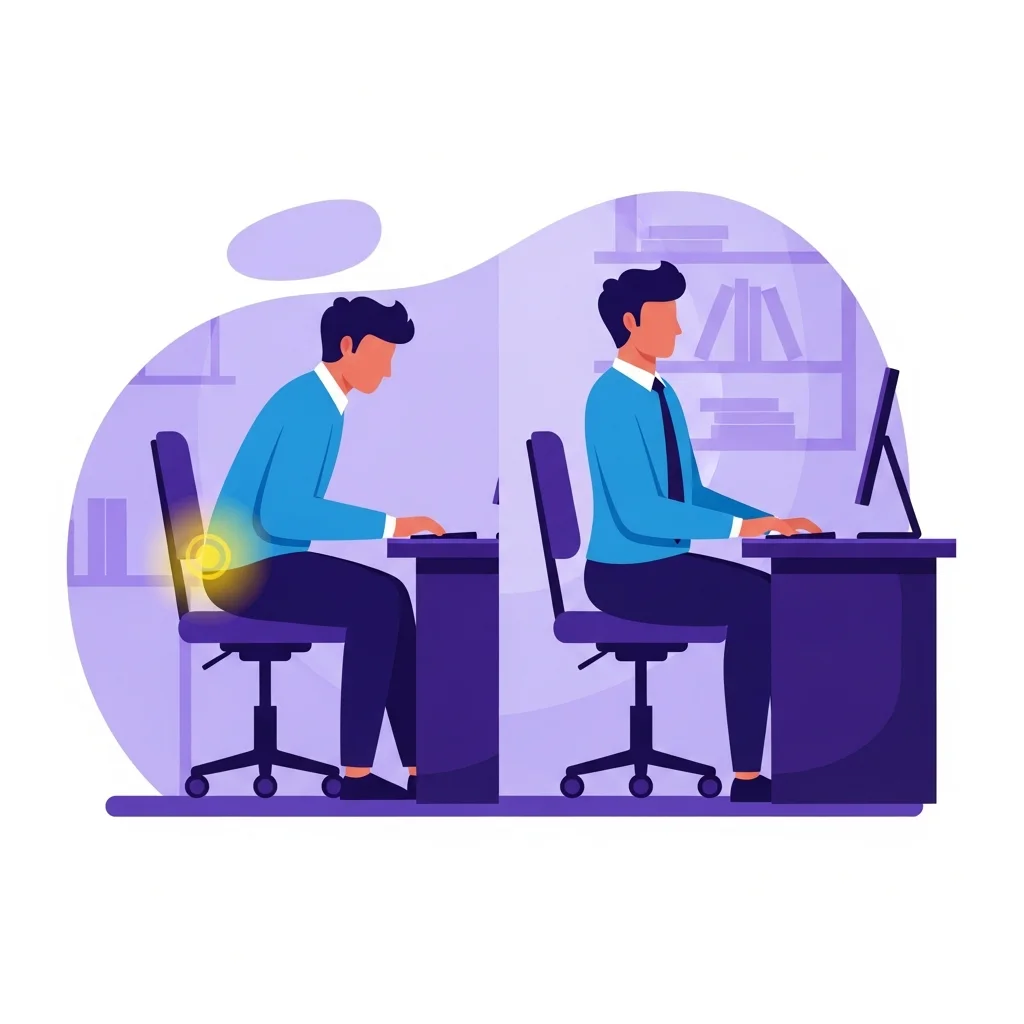
One of the major causes of office related back pain is poor sitting posture. Many professionals slouch forward while using laptops without realising it, or lean forward toward screens in meetings. This position adds extra stress to the lower back and can also impact the shoulders and neck.
Another common problem is the absence of chair support. If you sit in a chair that doesn’t have good lumbar support, your spine can lose its natural curve. Over time, this can cause the lower back to become stiffer and more uncomfortable. [3]
Long hours in the office also mean less physical activity throughout the day. Muscles that are not used for a long time can become tight and stiff. Blood flow may also be reduced, causing fatigue and discomfort.
Stress is another contributing factor to muscle tightness. Deadlines, long meetings, pressure at work and mental stress can sometimes cause tension to build up in the shoulders and upper back.
Common work habits that can contribute to back discomfort include:
- Sitting for several hours straight
- Poor posture while working
- Use laptops at the wrong level.
- Slouch while typing
- No stretching or movement
- Poor workstation set up
- Long hours of commuting each day
- Working from your bed or sofa
At first these habits may seem harmless, and over a period of time they may affect overall posture and spinal comfort.
How Prolonged Sitting Affects the Spine
Sitting for long periods of time can put more stress on the spine than standing. If the posture is not sufficiently supported, different parts of the body begin to compensate for the imbalance. [4]
Additional Strain on Back
The lower back carries a big part of body weight when sitting. Good posture is essential. Leaning forward or slouching increases pressure on the lumbar region, causing stiffness and discomfort.
This is especially common for professionals who spend a long time attending online meetings or working for long hours without breaks.
Muscle Tightness & Stiffness
Sitting for long periods can cause tightness in the muscles around your hips, shoulders and back. Tight muscles can reduce flexibility and can lead to more pain when standing, walking or bending over.
Many office workers feel stiffness right after getting up from their chairs.
Blood Circulation Problems
Long sitting hours may decrease the circulation related to body movement. Poor circulation results in fatigue, heaviness and discomfort in the legs and lower body. [5]
This is one reason why many people feel tired even after sitting all day.
Tail Bone Pressure
Pressure around the tailbone area can increase with prolonged sitting on hard or non-supportive surfaces. This is a common complaint after long periods of desk work or travel.
A lot of people also get coccyx discomfort when working from dining chairs or other non-ergonomic seating arrangements.
Forward Head Posture
The constant looking down at laptops or being hunched over screens can strain the neck and upper back muscles. Over time, this position can lead to shoulder tightness and neck discomfort. [6]
How to know if you need to fix your sitting posture
Often the body will send warning signals before the discomfort becomes acute. By catching these signs early you can prevent long term posture problems.
Some signs people tend to miss are:
- Reduced end-of-workday back stiffness
- Neck tightness when working on laptop
- Pain in shoulder after meetings
- It is uncomfortable to get up from a chair
- Pressure around the hips or tailbone
- Often the feeling to stretch the back is felt
- Tingling or numbness around your legs
- Fatigue from sitting for long periods
- Slouching on the job
- Decreased mobility
Many professionals overlook these signs, thinking the pain is temporary. But, over time, the repeated stress can gradually impact posture and general comfort.
Daily Habits That Are Slowly Making Your Back Pain Worse
Many of your common daily habits may unknowingly be placing pressure on your spine.
Working Without a Stop
Many office workers are sitting for several hours at a time during meetings, project work or deadlines. If you don’t move, stiffness and tightness of the muscles can increase. [2]
Walking short distances throughout the day can help improve circulation and ease discomfort.
Working on the laptop on the bed or sofa
The body is frequently placed in awkward positions when working from beds or couches. This strains the neck, shoulders and lower back.
As remote work increased across India, improper work from home setups became more common.
Bad Phone Posture
Looking down at phones for long periods of time can lead to strain in the neck and upper back.
This stance is often referred to as “tech neck” and is becoming more common among desk workers. [6]
Insufficient Physical Activity
A sedentary lifestyle causes weakening of muscles that support posture and spinal alignment. Also, sitting still can make you less flexible over time. [5]
Walking, stretching, yoga or light exercise can assist in maintaining better posture.
Long Commutes to Work
Indian professionals spend a lot of time in traffic on their commute. Long periods of office work and travel can lead to body stiffness and discomfort.
Tightness in the lower back is a common complaint with bike riders and drivers of cars after a long trip.
Poor Sleeping Position
Sleeping in awkward positions or on unsupportive mattresses and pillows can also result in back discomfort.
Practical Tips on How to Reduce Back Pain at Work
Comfortable work during long office hours can be achieved with easy modifications to daily work habits.
Improve Your Sitting Posture
Try to sit with your back well supported, but with relaxed shoulders. Keep your feet flat on the floor and your knees bent at a comfortable angle.
Don’t spend long hours leaning forward over your laptop screen. [3]
Have Movement Breaks
Getting up and moving every 30 to 60 minutes can help with stiffness from sitting too long. [2]
Simple activities are:
- Walking round the room
- Stretch Your Shoulder
- Softly turn your neck
- Standing on calls
- Moving around regularly keeps the body active throughout the day.
- Position the screen at eye level.
People are often forced to bend their neck down because laptop screens are set too low.
You can improve your posture at work by using laptop stands or by raising the height of your screen.
Office Hours Extended
Gentle stretching can help ease tightness in the neck, shoulders and back. [7]
Helpful stretches are:
- Rollbacks
- Neck stretches
- Twisting seated
- Hamstring stretching
- Back stretch standing
- Regular stretching improves flexibility and reduces stiffness.
- Drink water
Drink plenty of water, hydration is important for overall muscle and joint health. When people are busy in the office, many don’t drink enough water.
Having a water bottle nearby can promote better hydration habits.
Don’t sit cross-legged too long.
Sitting cross-legged for extended periods can sometimes lead to posture problems and add pressure around the hips and spine.
Ergonomic Products That Might Help
Many office workers use ergonomic support products to improve comfort over long hours of
work.
These products are not a replacement for healthy posture habits, but when used correctly, they can help support improved sitting comfort.
Coccyx Seat Cushion
Coccyx cushions are created to relieve pressure around the tailbone area when sitting. They are often used by professionals who work long hours at desks or behind the wheel.
For those seeking extra sitting comfort, betterhood’s Orthopaedic Coccyx Seat Cushion is designed to help support pressure distribution during long periods of sitting. Its ergonomic design makes it suitable for office chairs, work from home setups and long travel hours.
Lumbar Support Pillow.
Lumbar support cushions are meant to support the natural curve of the lower back. They are used by many office workers while sitting in office chairs, cars or at home setups. [3]
The betterhood Lumbar Support Pillow is designed to help you maintain the natural curve of your lower back while sitting for long hours. It can be applied to office chairs, car seats and home workstations to increase seating comfort throughout the day
Pillows for Neck Support
Neck support pillows are used by professionals who feel neck stiffness during travel or office works for additional comfort.
The betterhood Neck Support Pillow is created for comfortable support during travel, office breaks or leisure periods. Ergonomic design allows users to maintain a comfortable neck position while sitting or commuting for long hours.
Back Posture Correctors
Some people use posture correctors to be aware of their slouching habits while working.
Awareness of posture may help to eliminate unnecessary spinal strain.
betterhood’s Back Posture Corrector is designed to help you become aware of good posture as you move through your day and work at your desk. Lots of people wear it for short periods to remind themselves to keep their shoulders and back in proper alignment throughout the day.
Sprays and Patches for Pain Relief
Cooling sprays, roll-ons, massage balms and pain relief patches are popular for a temporary relaxation after a long day of work or travel.
betterhood’s Pain Relief Sprays, Roll-Ons and Pain Relief Patches are easy to use at home, in the office or on the go, for temporary relief after long hours of work. These products are generally incorporated into a daily self-care and wellness routine.
Stretching Exercises for Office Workers
Adding a few simple stretches to the daily routine might help increase flexibility and reduce stiffness.
- Neck Extensions
Gently tilt the head to the side and hold for a few seconds on each side.
- Shoulder Rolls
Roll your shoulders slowly forward and backward to release tension.
- Sitting Spinal Twist
So when you sit down, try twisting gently to relax the lower back.
- Hamstring Stretch
Tight hamstrings may sometimes affect lower back posture. Gentle stretching can improve flexibility.
- Back Stand Stretch
A light reach backwards while standing can help loosen the stiffness of sitting. [7]
Working From Home or the Office: Which is Worse for Your Back?
Both office work and remote work may result in postural discomfort.
Office workers frequently face:
- sitting for long hours
- traffic travel
- fixed locations at a desk
- long-drawn meetings.
Meanwhile, work-from-home professionals can work from:
- beds .
- couch
- dining room chairs
- unergonomic layouts
This is often compounded by the fact that many remote workers are sitting for even longer hours, due to the overlap of home and office spaces.
The important factor is not only the workplace, but posture, movement and ergonomic habits.
When Should You Be Concerned About Chronic Back Pain?
It is normal to have stiffness after a long day at work, but do not ignore pain that persists.
You may want to pay attention if:
- regular discomfort
- movement gets difficult
- increased stiffness often
- The position changes markedly.
- pain interferes with daily life
Getting advice from a professional can help you spot postural problems early. [1]
FAQs
Yes, sitting for long periods of time can put pressure on the lower back and adjacent muscles, especially if you don’t maintain good posture.
Your comfort after work could be a result of long sitting hours, lack of movement, poor posture and lack of support from your chair.
Walking regularly can help improve circulation, flexibility and movement after sitting for long periods of time.
Poorly made or unsupportive chairs can cause you to slouch and strain your lower back.
Yes, many professionals use ergonomic cushions to make sitting more comfortable for long hours at work.
Light stretching every half to full hour can help reduce stiffness from prolonged sitting.
Conclusion
Long hours in the office, traffic jams, working on a laptop all day, and bad sitting habits are now the norm in modern life. These routines can have an impact on posture, spinal comfort and overall wellness over time.
There is good news, and that is that tiny improvements each day can really add up. You can help reduce everyday strain by paying attention to your posture, taking breaks to move around, stretching regularly and creating a more supportive workspace.
Many professionals also use ergonomic support products such as coccyx cushions, lumbar supports, neck pillows and posture accessories to enhance comfort during long work hours.
Establishing healthier sitting habits now can help support better posture, comfort and productivity in the long term.
References
- Mayo Clinic. (2024). Back pain: Symptoms and causes. https://www.mayoclinic.org/diseases-conditions/back-pain/symptoms-causes/syc-20369906
- Cleveland Clinic. (2024). How sitting too much affects the body. https://health.clevelandclinic.org
- Harvard Health Publishing. (2023). Easy ways to improve posture and reduce back strain. https://www.health.harvard.edu
- Spine health (2024). The effects of sitting on the lower back. https://www.spine-health.com
- Johns Hopkins Medicine. (2023). Benefits of movement and physical activity. https://www.hopkinsmedicine.org
- MedlinePlus. (2024). Neck pain and posture-related strain. https://medlineplus.gov
- American Academy of Orthopaedic Surgeons. (2023). Stretching and flexibility exercises for back health. https://orthoinfo.aaos.org