




When you train frequently, lift heavy, run long or just want to feel ready for your next session, fast workout recovery matters. Soreness reduction isn’t all there is to recovery. It also involves rebuilding muscle, replenishing energy stores, rehydrating and helping the body normalize after exercise. The NIH Office of Dietary Supplements notes that protein is required for the development, maintenance and repair of muscle, and that muscle protein breakdown increases with exercise before recovery pathways activate.
There is no one “best” recovery supplement for everybody. The best choice will depend on your workout, how often you work out, whether you play heavily (and therefore need more salt) and whether your diet already meets your needs. The strongest recovery support comes from protein, carbohydrate, creatine, tart cherry and replenishing fluids and sodium properly (i.e., after a foot race). [1]
This guide explains these supplements for more rapid workout recovery, how they might work and considerations to keep in mind before using them.
What Slows Workout Recovery?
Recovery can seem slow when the body needs to replenish depleted glycogen, repair muscle trauma or replace fluids and electrolytes that are lost. Little time to recover between workouts is particularly demanding because the body has less time to replenish energy stores prior to the following session. When athletes have a minimum time frame between repeated exercise bouts, the rapid restoration of muscle glycogen appears to be important (A systematic review 2021). [3]
Recovery can be more challenging after heavy resistance training, sprint work and long endurance sessions, as well as in heat and when you sweat. Under those circumstances nutrition and hydration are more important than they will be following a light workout. That’s why some supplements are used to aid recovery rather than supplements of sleep, food or rest. [5]
Muscle Repair and Recovery with Protein
Protein is the key recovery supplement for many people since it contains the essential amino acids needed to repair muscle damage from exercise. The NIH Office of Dietary Supplements states that protein is essential for starting, maintaining and repairing muscle but also claims that enough protein must be consumed to maximize recovery period after exercise. It also adds that muscle protein synthesis seems to be optimal with high-quality protein in the 24-hour recovery period following training. [1]
According to the International Society of Sports Nutrition, many active individuals are adequately served by approximately 1.4 to 2.0 g of protein per kg body weight daily, and the ODS fact sheet highlights that the AND, DC and ACSM recommends about 0.3 g/kg after exercise, then again every 3 to 5 hours.
Protein may help recovery by:
- aiding in muscle recovery from training
- reducing muscle protein breakdown
- promoting strength and lean mass gains over time.
assisting when meals are behind schedule following an intense training
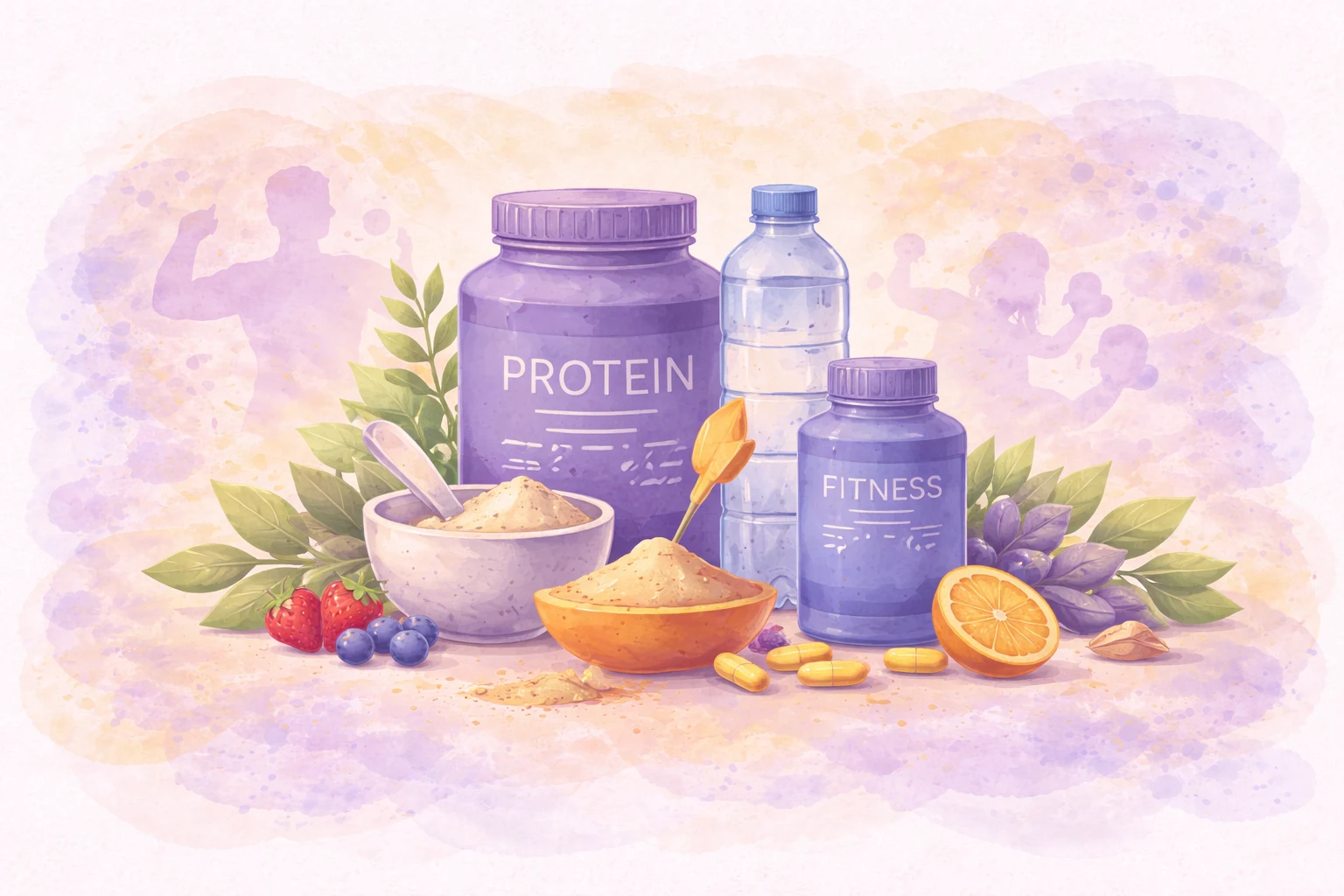
A protein supplement is most beneficial for many people when it allows them to hit their daily intake with greater ease. This is one reason why whey, casein, soy and mixed protein powders are popular recovery options. [1]
Replenishing batteries with Carbohydrates and Protein
If your training includes long endurance sessions, intervals or two-a-day workouts, carbohydrates are as important as protein. According to a 2021 systematic review and meta-analysis, consuming carbohydrate during recovery resulted in greater muscle glycogen resynthesis compared with water. It also found that inclusion of protein with carbohydrate did not enhance glycogen resynthesis compared to carbohydrate alone during short-term recovery when carbohydrate intakes were already adequate. [3]
That suggests carbohydrate is the primary engine of glycogen resynthesis, although protein still helps with muscle reclamation. In real life, carbohydrate plus protein is probably useful when you want to do both repair muscle and refill muscle energy storage but that protein doesn’t speed recovery of glycogen beyond what sufficient carbohydrate alone will provide.
Carbohydrate recovery could be most important when:
- you re-train in a couple of hours
- you had a long and/or intense session
- your workout brunt a lot of glycogen
- you must restore performance rapidly [3]
Creatine for Repeated High-Intensity Training
Creatine is also one of the most well-researched sports supplements, and it helps particularly with repeated short bursts of high work like pumping iron or sprinting or interval training. According to the NIH Office of Dietary Supplements, creatine may enhance performance in repeated bouts of high-intensity exertion by facilitating replenishment of phosphocreatine and supporting ATP energy production. [1]
Creatine is also important when it comes to recovery. One review of creatine and exercise recovery points to the possibility that supplementation may increase recovery between bouts of intense exercise by reducing muscle damage and aiding the restoration of lost force-production potential. [6]
Creatine if you might be a good fit if:
- do strength training multiple times a week
- do sprint or interval work
- checklists for multiple tough reps [1]
This may be feasible in higher intensity or volume workouts simply because the workout can [6]
Creatine is not primarily a pain relief supplement. Its benefit is more in assisting the body to recover better between hard efforts.
For Soreness & Post-Exercise Recovery: Tart Cherry
Tart cherry is one of the very few food-plant- or plant-based options with solid evidence for recovery support. A systematic review and meta-analysis identified a small but beneficial effect of tart cherry supplementation on muscle soreness, with moderate benefits for recovery of strength and power following strenuous exercise.
This is of special interest to athletes who experience soreness from intense training or competing. It may be more beneficial when you must recover from high-exertion sessions quickly, than as a go-to daily supplement. [4]
Tart cherry may help with:
- reducing post-workout soreness
- supporting strength recovery
- supporting power recovery
- relaxing the effects of rigorous training
The evidence is encouraging, but not all studies display the same effect, so it should be considered as a tool to facilitate improvement rather than a definitive cure. [4]
Hydration and Electrolytes for quick recovery
If you sweat a great deal, restoring fluid and electrolytes can be key to recovery. A 2023 trial on postexercise rehydration showed that sodium- and carbohydrate-containing drinks led to better fluid retention in the body compared with plain water. Replacing 125% to 150% of fluid volume loss is also recommended as a means of restoring euhydration after exercise (Lu et al. 2017)(sarcoidosis).
That matters because being dehydrated can hinder recovery, exacerbate fatigue and make the following workout seem harder. Sodium is especially critical when it comes to keeping the fluid you drink inside your body. [5]
Hydration support might be most important if:
- you train in heat
- you sweat heavily
- you work out for long periods
- you conduct consecutive training sessions
Electrolyte drinks should not be needed after every workout, but can be beneficial after periods of heavy sweating or long-duration sessions. [5]
Magnesium for Nerve and Muscle Function
Magnesium is not a miracle for recovery, but it could help if you’re not getting enough. Magnesium is important to numerous processes in the body, including regulating muscle and nerve function, according to the NIH Office of Dietary Supplements. It also points out that chronic low magnesium intake can produce deficiency symptoms like fatigue, weakness and muscle cramps.
If any of the above are true for you, it may be worth exploring magnesium:
- you consume few magnesium-rich foods
- you experience frequent muscle cramps
- your intake in general is not sufficient
- clinician has diagnosed low magnesium status
That said, magnesium is more of a fix-it supplement than an all-purpose workout recovery tool. If you’re already getting enough magnesium, supplementing isn’t likely to make a huge difference. [7]
Which Supplements Are Most Worth Taking?
The top supplement is based on your form of workout.
For strength training and hypertrophy:
- protein is priority
- creatine is frequently helpful for repeated tough sets
For endurance and two-a-day training:
- carbohydrate is vital for glycogen restoration [3]
- protein supports muscle repair
- restoration of hydration sodium and fluids
For soreness after tough sessions:
8tart cherries can reduce soreness and assist in strength and power recovery [4].
For those who consume little or none, or are lacking:
- magnesium supplementation if intake is poor8)
How to Choose a Recovery Supplement Safely
The quality of the supplements, however, is an important consideration because dietary supplements are not regulated as prescription drugs are. The best path is to select products with transparent labels, reasonable claims and third-party testing whenever you can. The NIH ODS also notes on their page that supplements are not a substitute for a healthy diet.
A good recovery supplement should:
- provide the specific ingredient and dose
- have transparent labeling
- steer clear of unnecessary blends with vague proprietary formulas
- do what works for your training goal instead of trying to do everything [6]
It’s also wise to consult with a health professional if you have kidney disease, thyroid problems, heart issues or take prescription medication especially before taking creatine, magnesium or electrolyte products.
FAQs
Protein is vital for muscle repair, while, depending on the workout, creatine and carbohydrates and tart cherries and hydration can be useful supplements as well.
Yes. Protein delivers amino acids that are necessary for repairing muscle, and the NIH ODS states that it is important to optimize the recovery period following exercise.
Yes. Creatine is of particular use in repeated high intensity exercise, as it may improve recovery between hard efforts.
Studies indicate that tart cherries may help with DOMS and promote strength and power recovery post-exercise performance.
Not always. They are most beneficial following long workouts, heavy sweating or heat exposure, when fluid and sodium losses are increased. [5]
Magnesium can help if it is low, but it’s not a one-size-fits-all recovery supplement. Its primary function is to support muscles and nerves. [7]
Conclusion
There are supplements that can support faster post-exercise recovery; they will work best when selected in parallel to the true recovery demand. Protein aids muscle repair, carbohydrates replenishes energy stores, creatine can aid repeated high-intensity work, tart cherries relative to placebo may lower soreness as it reduces the inflammatory response after damage and fluids plus sodium help minimize dehydration. Low intake might also be helped by magnesium.
The greatest gains in recovery still come from the basics: sleep, food, fluid and a training plan that allows plenty of time for your body to adapt. Supplements can help facilitate that process, but they are most effective when integrated into an overall recovery regime. [7]
Here are your fixed references with proper formatting + working Google source links and “Used in” placement kept clean for SEO/blog use:
References
- National Institutes of Health, Office of Dietary Supplements. (2021). Dietary Supplements for Exercise and Athletic Performance. Used in: protein, creatine, and supplement safety sections.
https://ods.od.nih.gov/factsheets/ExerciseAndAthleticPerformance-HealthProfessional/ - Jäger, R., Kerksick, C. M., Campbell, B. I., et al. (2017). International Society of Sports Nutrition position stand: protein and exercise. Used in: daily protein needs section.
https://pubmed.ncbi.nlm.nih.gov/28642676/ - Craven, J., et al. (2021). The Effect of Consuming Carbohydrate With and Without Protein on the Rate of Muscle Glycogen Re-synthesis During Short-Term Post-exercise Recovery: A Systematic Review and Meta-analysis. Used in: carbohydrate and protein recovery section.
https://pubmed.ncbi.nlm.nih.gov/33507402/ - Hill, J. A., Howatson, G., van Someren, K. A., et al. (2021). Tart Cherry Supplementation and Recovery From Strenuous Exercise: A Systematic Review and Meta-Analysis. Used in: tart cherry section.
https://pubmed.ncbi.nlm.nih.gov/33440334/ - Ly, N. Q., Hamstra-Wright, K. L., & Horswill, C. A. (2023). Post-Exercise Rehydration in Athletes: Effects of Sodium and Carbohydrate in Commercial Hydration Beverages. Used in: hydration and electrolyte section.
https://www.ncbi.nlm.nih.gov/pmc/articles/PMC10674530/ - Wax, B., Kerksick, C. M., Jagim, A. R., et al. (2021). Creatine for Exercise and Sports Performance, with Recovery Considerations. Used in: creatine section.
https://www.ncbi.nlm.nih.gov/pmc/articles/PMC8228369/ - National Institutes of Health, Office of Dietary Supplements. (2021). Magnesium Fact Sheet for Consumers. Used in: magnesium and safety sections.
https://ods.od.nih.gov/factsheets/Magnesium-Consumer/