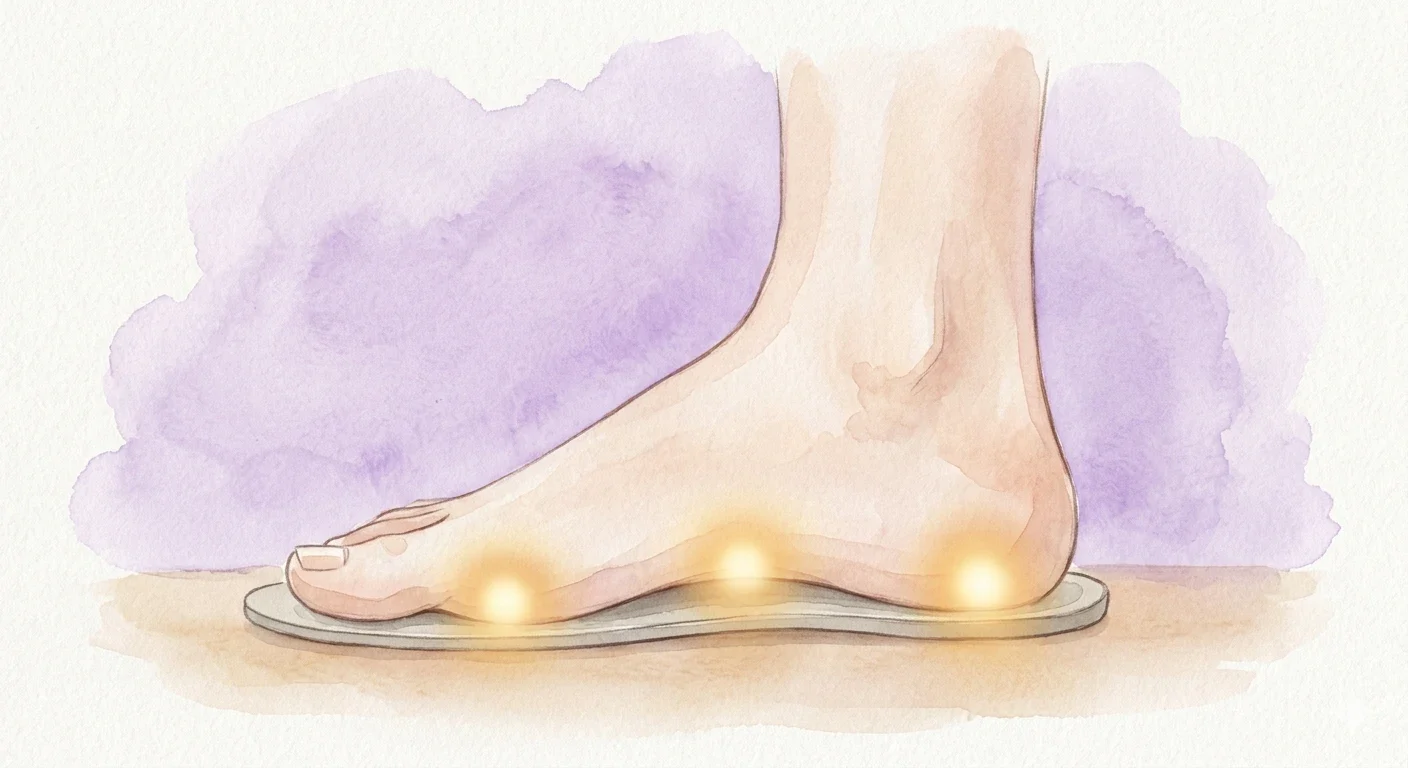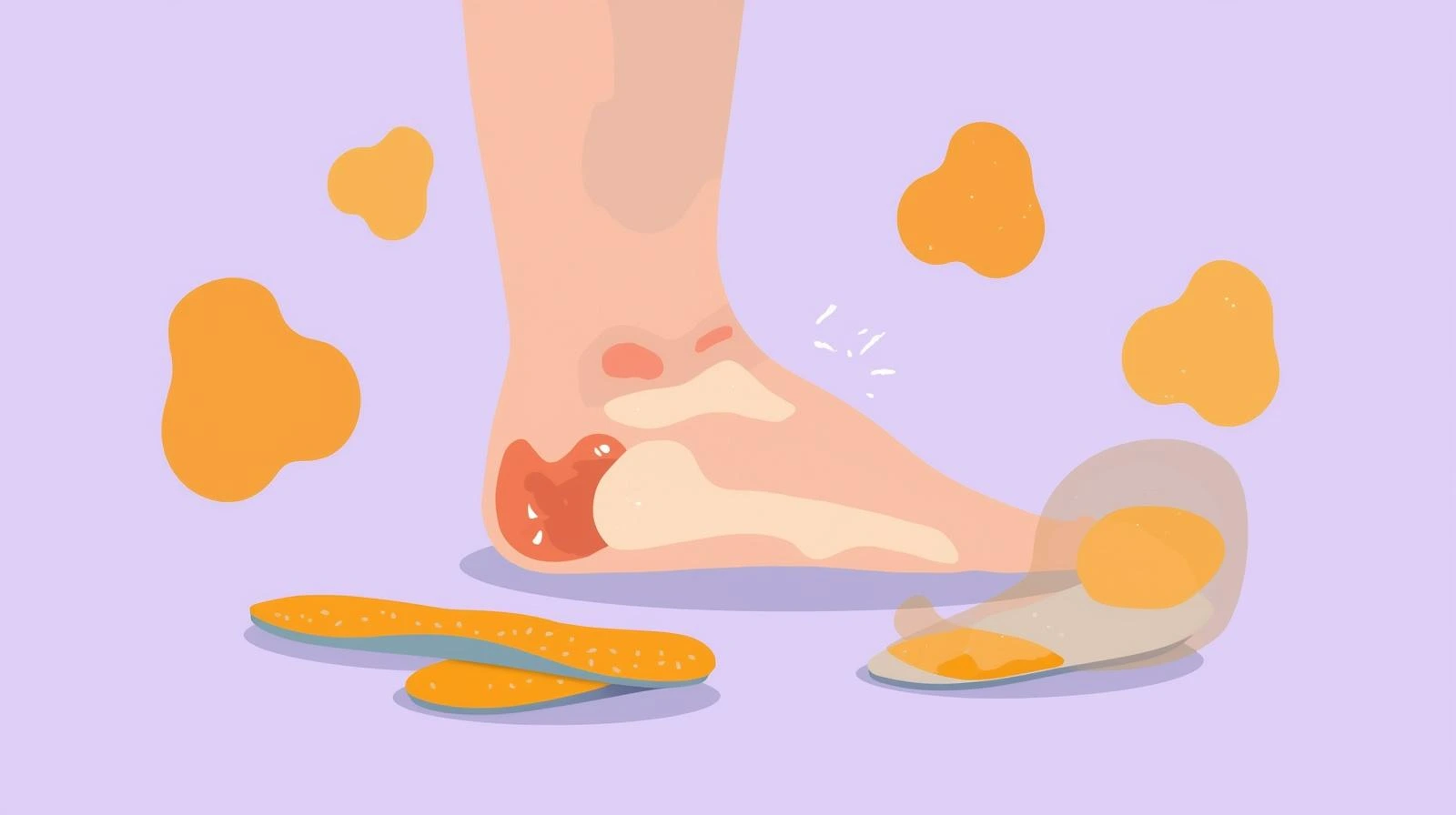





Foot support insoles are footwear inserts intended to support the foot, cushion impact and assist redistribute pressure more evenly. Insoles are described as inserts that usually support and cushion the foot, or change your walking style, by Guy’s and St Thomas’ NHS Foundation Trust. [1]
Most people use foot support insoles while walking, standing or performing daily activity to increase comfort. They are often prescribed for and considered well-suited to flat feet, tired feet, pressure-related pain and certain overuse conditions. According to National Health Service guidelines, insoles can ease pain or stiffness but will not alter the shape of the foot. [3]
In this article, we’ll explore the purpose of foot support insoles, who they may work for, how to find the right pair and what to realistically expect. [2]
What Are Foot Support Insoles?
Foot support insoles are placed inside of shoes to provide extra comfort, arch support or alleviate pressure on sore spots. They might be soft, firm or custom shaped depending on the purpose. Insoles are described by both NHS and hospital guidance as tools which support foot structure and contribute to bringing foot function back into balance.
Certain insoles are designed primarily for cushioned comfort; others aim to offer greater support underneath the arch. Some are intended to influence foot motion when walking. That is why two insoles can be similar in appearance but very dissimilar in the way they feel on your feet.[1]
How Foot Support Insoles Help
The primary function footprint support inserts perform is making it easier to stand and walk. They can alleviate pressure in specific areas, enhance comfort within shoes and assist in foot support when the arch requires additional assistance.” AAOS says orthotics support a flatfoot and relieve pain, while the Mayo Clinic explains that arch supports don’t cure flatfoot but can relieve its pain. [4]
Insoles for foot support might assist you by:
- applying cushioning force in walking or standing
- supporting the arch
- improving comfort from flat feet or fatigue
- improving how the foot loads within the shoe
They are most effective when pain is related to pressure, posture or foot mechanics rather than an acute injury. [4]
WHO SHOULD USE FOOT SUPPORT INSOLENES?
Insufficient foot supporters, flat feet persons People who have discomfort due to long standing or repetitive trauma in the plantar (bottom face) region of the foot often use insoles designed for foot support. According to the Mayo Clinic, flatfeet are common and most people never require treatment unless symptoms develop. [2]
Foop Supports Insoles help with foot pain when you are:
- arch pain
- heel discomfort
- tired feet after standing
- pain during walking
- flatfoot-related soreness
- pressure in normal shoes
There may be no need for insoles if flat feet are not causing discomfort. NHS advises that treatment isn’t usually required unless flat feet are proving painful or stiff. [3]
Insoles for Flat Feet, with Foot Seek Support
One of the most common reasons individuals seek support insoles is over flat feet. According to Mayo Clinic, flat feet is a condition where the arches on the inner side of the feet flatten upon weight.
Insoles may benefit flat feet:
- relieve pain
- enhance comfort while walking
- support the arch
- lessen stress on neighboring structures
Insoles also don’t alter foot shape long-term. The NHS states that shoe insoles can help reduce pain and stiffness, but will not make any structural changes to the feet.[3]
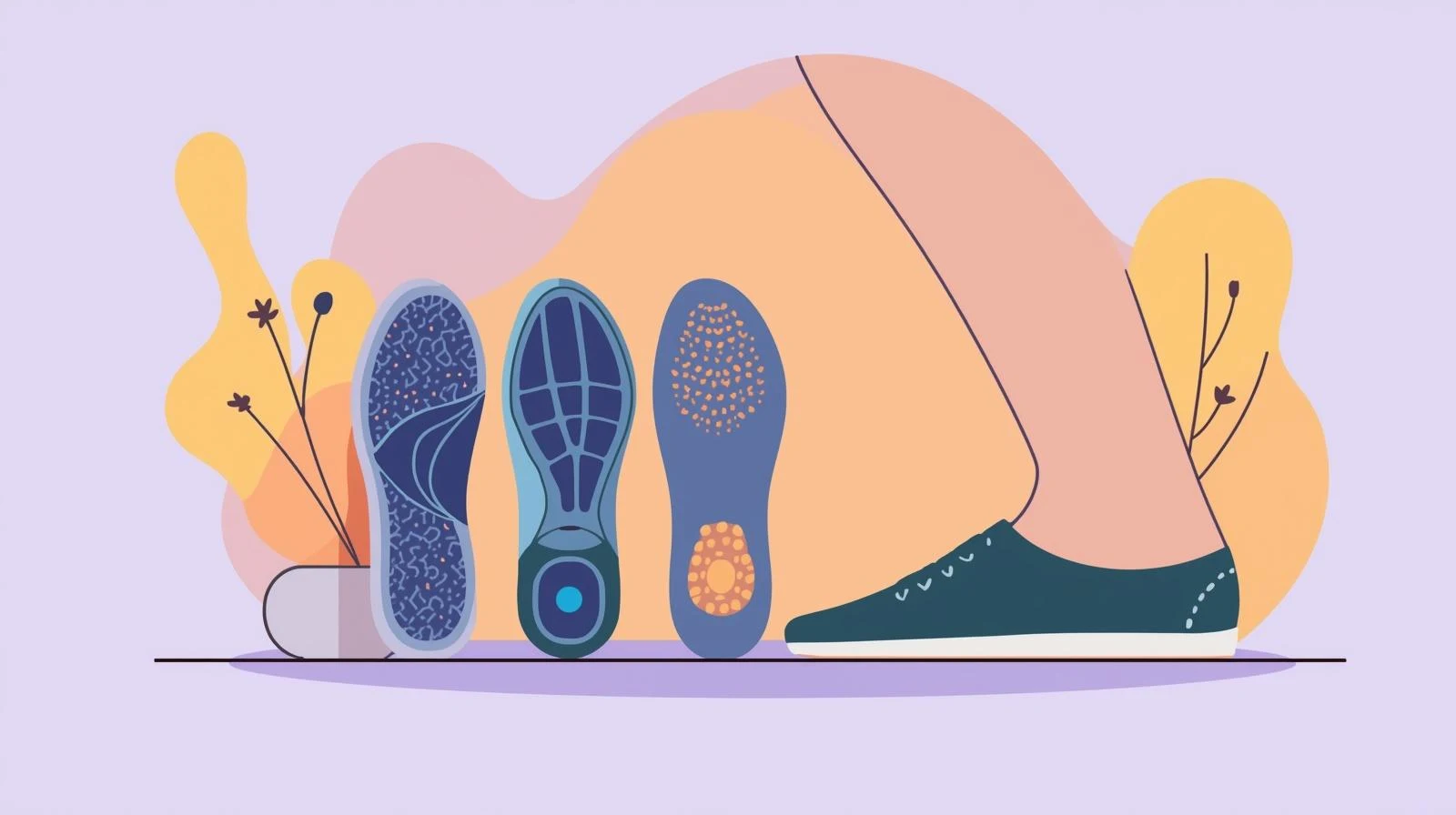
Over-the-Counter vs Customized Foot Support Insoles
Foot support insoles fall into two general categories: over-the-counter and custom-fit.
Over-the-counter insoles
These are retail inserts, available in stores or online. An over-the-counter orthotic may be sufficient for mild anatomical foot shape changes, according to the AAOS and nonprescription arch supports can help alleviate pain in flat feet, says Mayo Clinic. [4]
Custom insoles
They are created from a mold, scan or impression of the feet. Mayo Clinic states that custom-designed arch supports are occasionally considered, and AAOS points out they may be necessary when the foot shape change is moderate to severe.
In general:
- minor discomfort may be relieved with over-the-counter support
- severe or chronic symptoms may require specialized treatment
Types of Foot Support Insoles
The best-insole different styles are used with regards to This goal.
Arch support insoles
These help support under the arch and are often utilized for flat feet.
Cushioning insoles
These are less about performance and shock absorption. Insoles generally support and cushion the foot, Guy’s and St Thomas’ notes.
Stability insoles
These tend to be firmer and can help reduce motion as well as improve alignment.
Full-length insoles
These sizes run from heel to toe and distribute pressure across the entire foot.
The ideal kind depends on the pain pattern, shoe type and level of support required.
How to Choose Foot Support Insoles
The right insole should feel supportive without pressure, rubbing or crowding the inside of the shoe. Insoles should support the foot and cushion it,
Look for:
- the form you require for the right arch
- of the right cushioning for your activity level
- a small enough size to easily fit your shoes
- a substance that doesn’t collapse too quickly
Not every insole is going to work for you, especially if the discomfort worsens. [4]
Foot Support Insoles Do They Work for Everyone?
No. The benefits are different for everyone. A systematic review conducted in the year 2021 concluded that the evidence supporting the effectiveness of foot orthoses treatments for generally populations with flatfoot is limited and its effects controversial. That means many people do improve, but the research isn’t consistent. [5]
20 ps that’s why foot support insoles should be considered an easy comfort device and not as a definite cure. They often relieve symptoms, but they don’t fix every foot problem.
Supportive Shoes Still Matter
Insoles are most effective when paired with supportive shoes. NHS advises that wide, comfortable shoes with a low heel are generally good for flat feet, and stretching exercises may assist too.
Helpful shoe features include:
- enough room for the insole
- a stable heel
- comfortable width
- low heel height
- a secure yet loose fit
No insole can perform well inside a poorly fitting shoe.
When to Get Professional Advice
If foot pain is persistent, worsens or starts interfering with walking, it’s time to talk to a podiatrist, GP or foot specialist. According to both AAOS and Mayo Clinic, custom support or further evaluation may be necessary when symptoms go beyond mild.
Seek advice if:
- pain is persistent
- swelling or stiffness develops
- flat feet are changing shape
- over-the-counter insoles do not help
- pain radiates to the ankle, knee, or back[3]
FAQs
They provide foot support, shock absorption and comfort for the wear during walking/standing.
Yes, they do reduce pain and improve comfort, especially when flat feet are responsible for symptoms.
No. They may take away pain and support the foot, but they don’t change the shape of your foot for good.
Not always. Store-bought insoles may be sufficient for mild problems, while custom insoles might serve you well if the case is more severe.
No. If flat feet are not painful or stiff, treatment is often unnecessary.
Conclusion
Insoles for arch support are an easy and effective way to add comfort, support your foot and prevent strain when carrying out daily tasks. They particularly benefit anyone with flat feet, fatigued feet or a long-standing sore body from being on their feet. But they’re not a cure, and the results can differ by individual and the type of insole used. (Mayo Clinic)
get the best results, find one that fits well, use it with supportive shoes, and seek professional advice if symptoms persist. (nhs. uk)
References
- Guy’s and St Thomas’ NHS Foundation Trust. (n.d.). Foot insoles – overview. Used in: insoles support and cushion the foot; changing the way you walk.
https://www.guysandstthomas.nhs.uk/health-information/foot-insoles - Mayo Clinic. (2022). Flatfeet: Diagnosis and treatment. Used in: arch supports relieve pain but do not cure flat feet.
https://www.mayoclinic.org/diseases-conditions/flatfeet/diagnosis-treatment/drc-20372609 - NHS. (n.d.). Flat feet. Used in: insoles help pain but do not change foot shape; supportive shoes and stretches.
https://www.nhs.uk/conditions/flat-feet/ - American Academy of Orthopaedic Surgeons. (n.d.). Progressive collapsing foot deformity (flatfoot). Used in: OTC vs custom orthotics and arch support.
https://orthoinfo.aaos.org/en/diseases–conditions/posterior-tibial-tendon-dysfunction/ - Herchenröder, M., et al. (2021). Evidence for foot orthoses for adults with flatfoot: a systematic review. Used in: evidence limitations.
https://pmc.ncbi.nlm.nih.gov/articles/PMC8628393/