




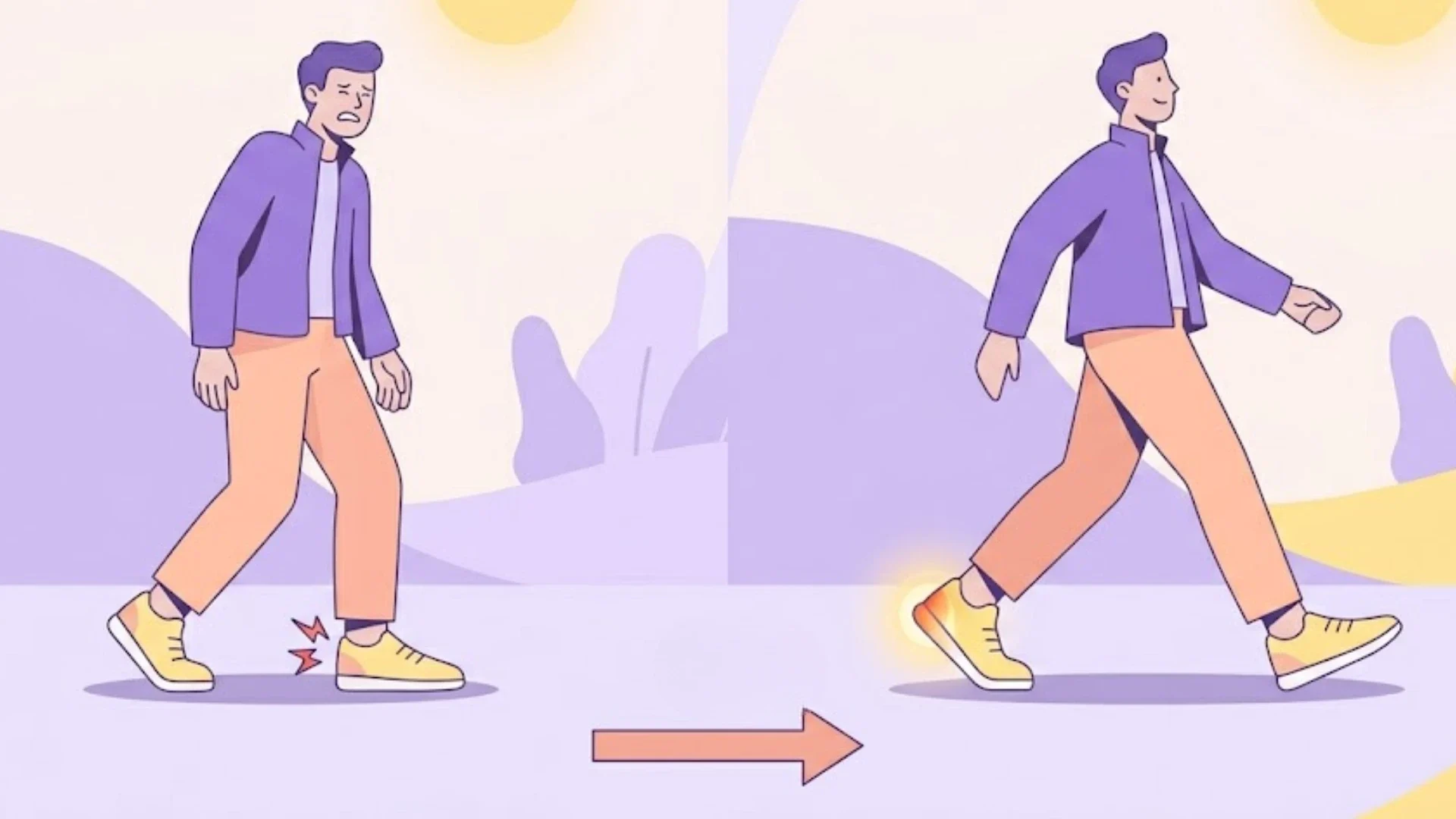
Sure, you finish your day thinking it is a normal one, nothing crazy: just walking and standing up, maybe running back and forth here, there but when you take off your shoes at bedtime that achy feeling deep down in the heels stays with you? Too blunt to go into a panic about it, but too severe to take your time with it. You shrug it off, shoe swap or maybe just ignore it all together until modernity. But that uneasiness is not at all random? Think of it like your body is trying to tell you something not obvious, but small at detail he says missing heel support?
So, reflect for a minute on how your everyday life works. When your feet hit the floor, your heels take on the force of it all. Every step, every stair you climb up on, second spent standing here is all soaked up by heels without a murmur. The feet are the initial contact point of your body with the earth, bearing the double burden of absorbing pressure and impact while also keeping you in balance. However, they receive the least attention in your movement.
Now imagine doing that same cycle day in and day out without ever giving your heels the assistance they actually need. We do not simply have less of those ordinary stressors with time. It creeps up on you over days, manifested in fatigue, tightness or the dull ache that helps you realize evening has arrived. Of course it is easy enough to demur when the pain isn’t so bad. Now, this is not to say that severe discomfort in your life needs to be literal. Your body probably tells you that something in your move or supporting system is not quite right.
Heel Support Play an Important Role What is heel support?

Heel support is not just a pad under your feet. It is creating a firm base for the architect of the entire body. When we walk, our heel strikes the ground first. Everything starts from there and every impact force of your body weight goes through it.
If there is not sufficient support at the heel, your foot takes the balance of impact but very inefficiently. This creates tension in the heel and the ankles; knees; hips even possibly your lower back. By its nature, proper heel support helps distribute weight evenly, absorb shock and keep your foot on a more natural movement path.
The Role of the Heel in Movement
It not only shocks when your heel hits the ground but also balances it by functioning itself. That informs the rest of your foot down towards ground contact. This compensatory mode of operation is not always stable and supported and what may seem small in the beginning becomes a big problem for your body later on.
Signs that Your Heels Are Not Well Supported
Most people however do not realize that they have an issue with their heel support until pain becomes persistent. However, your body will generally warn you in advance.
Common Indicators:
- Soreness under the heel after a long period of standing
- Heaviness on your feet after a busy day
- Uneven wear on your shoes
- Calf/Achilles tightness
- Chronic lower back pain for no reason
These indicators seem disparate, but they are generally a function of how your heel is making contact with the earth.
What Poor Support For Heels Does To Your Body
Lack of heel support is not only a foot issue. The domino effect is a ripple effect of the rest of your body.
1.Impact on Feet
Locations in the heel if they’re lacking help, Can irritate, inflame and trigger trouble with plantar fasciitis.
2.Impact on Joints
This means that if your heel fails to absorb shock, this stress is transferred to your knees and hips. This in turn can lead to altered biomechanics and kinematics through time.
3.Impact on Posture
Now, having said that your foundation has a direct correlation to your posture. Not having any heel support propels your body into a forward or back tilt, creating tension and forcing pressure on the spine.
Heel Support and Cushioning: What They Really Are
A pretty obvious fallacy is that softer is always better. Cushioning provides comfort, but not necessarily stability.
Cushioning
Cushioning focuses on softness. This alleviates the pressure, but may not direct your foot as it should.
Support
The heel support is supposed to keep your foot stable and aligned. It holds your heel in place like a hug, but without sacrificing any padding.
A hybrid of comfort and structure is the best of both worlds.
Who Needs Heel Support Most
Heel support is beneficial for all but some people are in more pressing need of it than others.
People Who Stand As Long As They Can
Jobs that make you stand for an extended period generate chronic pressure on the heel. Without support, fatigue builds quickly.
Active Individuals
Movement magnifies impact forces during walking or running. All this stress repeats needs heel support.
Individuals with Flat Feet
Flat foot natural arches are often absent, which help to spread pressure but instead concentrate on the heel.
Aging Individuals
As you age the padding of your heel gets lower. External support becomes more important.
Choosing the Right Heel Support
There are different types of heel support solutions. What the right choice is depends on you and your daily tasks.
Key Factors to Consider
It examines the benefits of material factors such as gel, foam or silicone.
- Fit: The shoe heel and shoe should fit well.
- Durability: like your pet, they need a permanent home to guarantee continued results.
- Usage: Daily wear, phys-ed or rehab
Avoid These Mistakes
- Choosing unassisted structures too flexible
- Ignoring fit and size compatibility
- Waiting too long on old support
betterhood Heel Support Solutions
betterhood focuses on creating lines of products that support real movement not temporary relief from traditional, comfortable but not built for durability or functionality design.
betterhood heel support products address the cause of discomfort, not simply masking it. The concept focuses on some cushioning and the structured support so that the heel can be solid but gentle.
What Makes betterhood Different
The highly-specialized materials of betterhood are made for products that push against pressure without losing the inherent load-bearing power of your own body. This ensures that your heel is kept supported all day long.
They also offer designs focusing on fit. Not only do they provide a layer of cushioning under the heel, but they also assist in directing how your foot strikes the ground, improving economy of movement.
Everyday Use and Versatility
betterhood heel supports are perfect for light and heavy lifestyles alike whether you’re working hours on end, on your feet all day or need something at home just to add comfort into everyday life, these products slot nicely into the mix.
It is not only pain reduction, it is about every day movements.
Simple Habits to Improve Heel Support
But, even your daily habits play a role (which products you use impact a lot).
1.Foot Awareness
Observe your standing and walking patterns. Amendments even get you through a bit easier.
2.Regular Stretching
Also keep the calf and foot flexible to exert less stress on the heel.
3.Rotating Footwear
Avoid using the same shoes every day. Different structures, differently distribute pressure.
4.Maintaining Healthy Weight
If you are overweight then that also puts more pressure on your heels so support is even more important.
Sometimes Heel Support Is Just Not Sufficient
Which could indicate something far more systemic.
Persistent Pain
If that heel pain does not auto-better over the course of weeks with support, they should be red flags.
Sharp or Sudden Pain
If you experience sudden, sharp pain it may indicate damage that requires treatment.
Swelling or Redness
External inflammation might be an external manifestation of underlying pathology that needs further investigation.
When to See a Doctor
Foot pain is quite common, but there are signs that you may need to seek professional treatment.
Warning Signs
- Pain that worsens over time
- Difficulty walking normally
- Pain present even at rest
- Numbness or tingling sensations
- After a month with regular usage of heel support, no betterment
It helps determine whether your issue is related to plantar fasciitis, tendon issues or structural imbalances which only a physician can assess.
We must learn to manage small aches so that they do not develop into ongoing trouble.
The Long-Term Benefits of Proper Heel Support
Identifying the proper heel support is not about easing your discomfort at once or even temporary. It is the long term health of movement.
1.Improved Comfort
Day-to-Day Activities are simpler and less exhausting.
2.Better Alignment
This allows your body to return back into a more natural position and less tension.
3.Injury Prevention
It is less likely to cause injuries when the muscles get support.
4.Enhanced Mobility
It takes less of your energy, effort and discomfort to move.
Building a Smarter Walking Experience
You walk each day and you likely never give it a second thought. But how your body feels is dictated by how you walk.
Heel support is not a luxury. It is a foundation. If you’re supported through your heel, everything above it is going to do a better job. Your steps are bouncier, the back is straight less tension on the body.
Too much heel support is not ideal, but instead of going through the pain and discomfort or dismissing those signals as early indications of major health issues, they may require a discreet step when it comes to footwear.
Because the smart way to walk isn’t working hard. It is about stoking the fire that has already lit you.
Conclusion
You do not have to live with heel pain or suffer through it every day. In that regard they are frequently warning signals early detection alerts, letting you know something is off with the base. Beginning it with proper heel support. Correct heel support in your shoes means that every step you take needs less effort, is environmentally friendly and places less stress on the rest of your body.
Such a simple swap can make all of the difference. It provides heel support, the unsung hero of your daily movement from fending off fatigue to bettering posture and preventing long-term pain. Nothing is better than immediate, short-term comfort, but the bigger picture fixes it.
The key is consistency. When you wear the right heel support and pay attention to your body response, making gradual but respectful adjustments can alter your movement every step of the way. No extreme measures are required, just the appropriate support in the right places.
FAQs
Heel support is a structure or insert that stabilizes the heel and helps absorb impact during movement.
People who stand for long hours, walk frequently, or experience heel pain benefit the most.
Yes, proper heel support helps distribute pressure and reduce strain on the heel.
No, cushioning provides softness, while heel support focuses on stability and alignment.
Yes, it can reduce stress on the plantar fascia and improve comfort during walking.
Frequent heel pain, foot fatigue, or uneven shoe wear are common signs.
Most heel supports fit in regular shoes, but proper fit and space are important.
References
[1] Heel Pain and Plantar Fasciitis, American Academy of Orthopaedic Surgeons, 2022, Available at: https://orthoinfo.aaos.org/en/diseases–conditions/plantar-fasciitis-and-bone-spurs
[2] Plantar Fasciitis, Mayo Clinic Staff, 2023, Available at: https://www.mayoclinic.org/diseases-conditions/plantar-fasciitis
[3] Foot Mechanics and Heel Pain, Neal M. Blitz, 2021, Available at: https://www.ncbi.nlm.nih.gov
[4] The Role of Footwear in Foot Health, Benno M. Nigg, 2019, Available at: https://www.sciencedirect.com
[5] Effects of Insoles on Plantar Pressure, Landorf KB et al., 2020, Available at: https://pubmed.ncbi.nlm.nih.gov
[6] Biomechanics of Foot and Ankle, Michael S. Redfern, 2018, Available at: https://www.researchgate.net


