




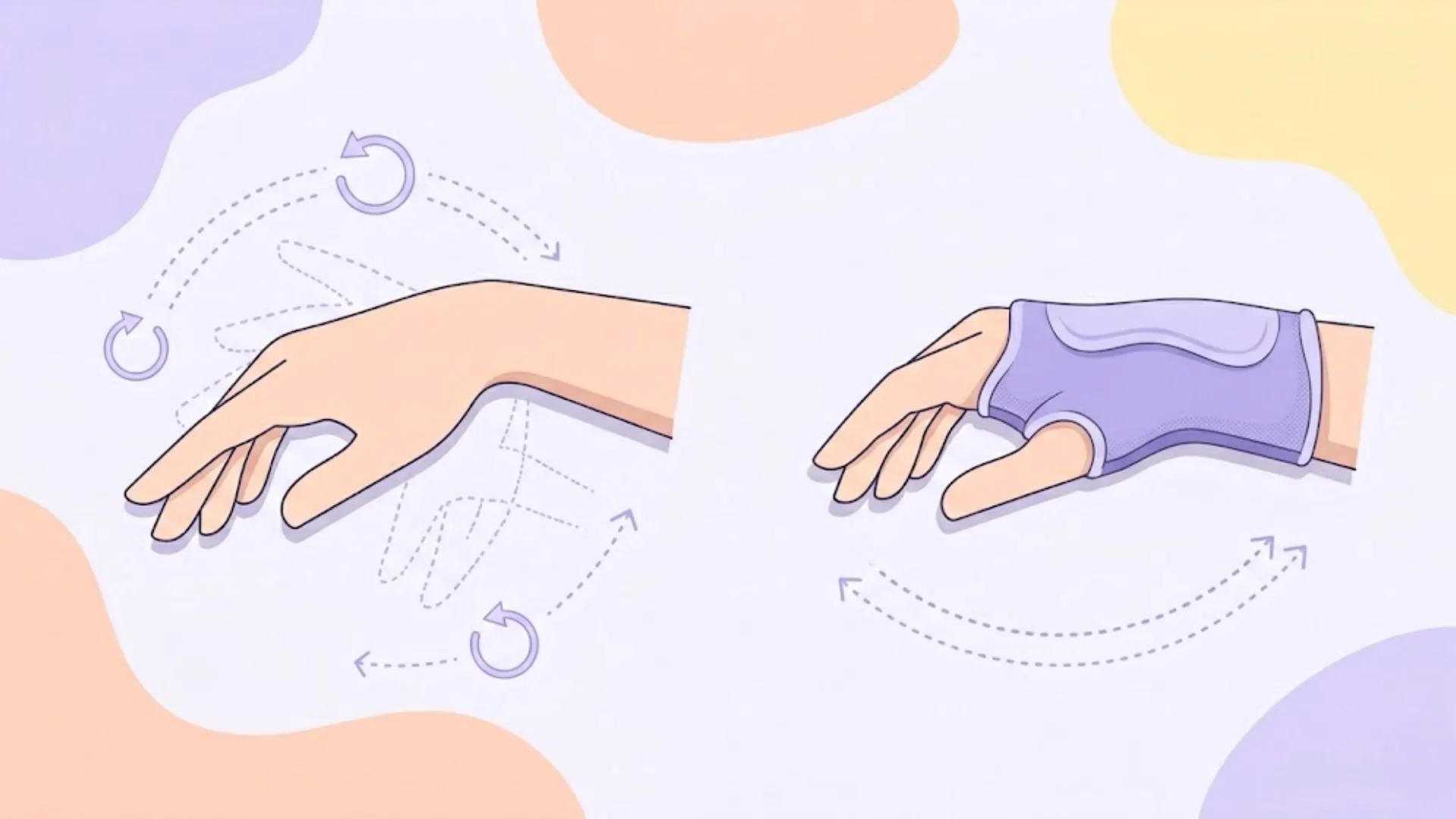
The wrist is literally involved in almost everything that you do: lifting or gripping, typing, writing and just about anything else for most of your work day. They act as a bridge between the hands and other parts of your arm, helping you to do small and large movements close by and far away. They are employed day to day and taken for granted, except when some joint pain or injury interferes with such basic tasks. The wrist is just as complex as many small bones in conjunction with the multiple ligaments and tendons working together, making it one of the most commonly injured joints due to strain, overuse and sudden impact. Anything less than ideal strength here, even a small amount of instability/weakness can keep you from being able to do normal daily activities.
Chronic overuse can result in serious inflammation, weakness or loss of muscle and restricted range of motion if not addressed early. Not only does it affect your performance while you are training for actual exercise, it can also make even the simplest of daily activities seem tougher than should be necessary.
This is where your wrist brace comes in. It will be the single most important support equipment you need for this. It helps to stabilize the joint, limit injurious or hyper-movements and give your wrist all reinforcement it requires both at rest as well as in action. Generally, a wrist brace provides stabilization to keep the joint in proper alignment, which minimizes overuse or strain on muscles and ligaments that are not used in movement while allowing the joint to be more biomechanically efficient. Whether you feel having a little discomfort, high strain recuperation or simply want to prevent an injury at all you learn the benefits of wrist brace can result in making helpless choices into extended joint health and everyday comfort.
The Wrist Joint Function
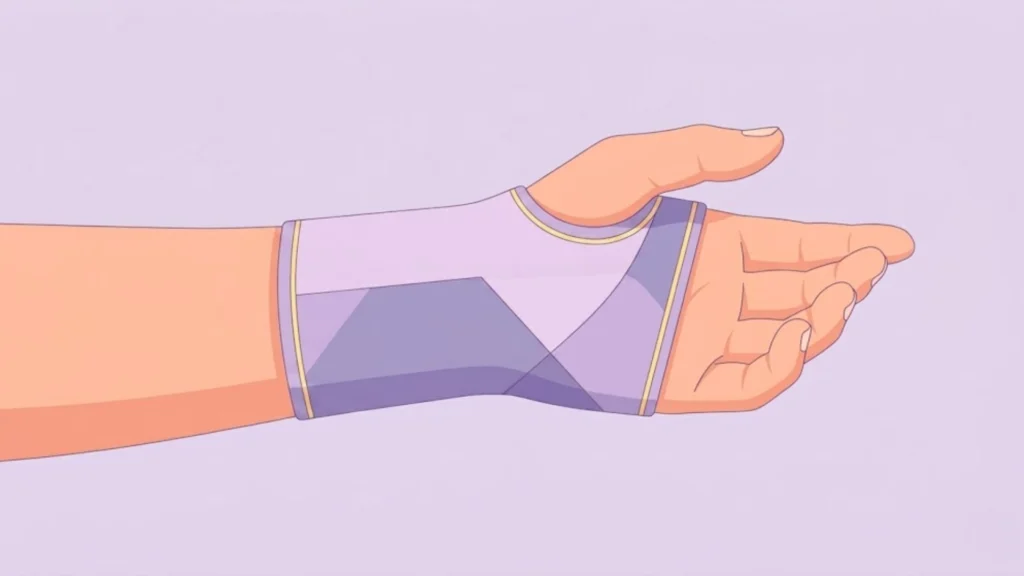
Wrist is not only one joint, its many tiny joints work. It allows for maximum freedom of movement, bending, rotation and weight bearing. While this is all useful, it also makes the wrist more susceptible to instability and injury.
Wrist stressors most commonly seen include:
- Repeating the same steps again key or lift
- Hyper-exercise working out beyond what is reasonable in brutal workouts
- Poor ergonomics in daily tasks
- Weak supporting muscles
- Insufficient recovery between activities
These issues can develop little by little into higher pain, swelling and also even significant conditions. It is optimum to assist your wrist early from the start so issues do not get worse.
What Is a Wrist Brace?
Wrist supports: A device worn around the wrist to immobilize, support and protect the joint from further injury. Active splinting may offer light compression, limit particular movements with minimal support or immobilize a joint entirely during healing depending on the design. Because of this versatility, it can be used for everything from everyday wear to the prevention of future injuries or during the healing.
Unlike other methods of treating discomfort such as applications and patches which only work in the short term, a wrist brace can provide long-term solutions to discomfort by realigning your artery or reducing any feelings of pressure in the joint. This position maintains physiological wrist joint positioning preventing straining of tendons and ligaments at rest and activity. In addition to releasing some tension already in the wrist, manipulating through the wrist to be in a more neutral position inside will have optimal means of motor patterns over time with less potential for re-injury.
Reasons To Buy A Wrist Brace
Even if you are regularly using a brace for wrist, it will always be extremely beneficial for patients suffering from strain, overuse or rehabilitation.
Improved Stability
There is a natural position of the wrist joint and the brace holds the joint in such a position that it does not cause or hurt joints with any extra movements. The added control is helpful in basically any sort of repetitive motions or during activities while the wrist is being crunched.
Joint Protection
It stops extreme or awkward motions from further injuring the wrist during activities. The support helps by protecting so you can continue with your regular activity while reducing the chance that you may aggravate your current pain.
Pain Relief
Most sensitive areas get filled with added pressure, resulting in less discomfort due to compression and structured support. It redistributes pressure while relieving over-stressed tissues.
Enhanced Recovery
But even for those who handle cautious users, it offers some reinforcements: A splint allows you to recover from minor injuries without stressing it. This provides recovery with a more limited range of motion moving only where needed to avoid limiting movements that can further hinder the benefit of healing.
Better Function During Activity
When you have stability, you perform tasks better and with more confidence. A supported wrist will, probably, get fatigued the least while you work or exercise or do day to day activities.
- Because of this, the wrist brace is a must have to make your life easier.
- A wrist brace is useful in various scenarios, not just post injury.
- The same time you train whenever your wrist overexerted
- Weights or exercise a little
- If you are suffering from mild pain or discomfort
This is especially the case after injuries such as sprains or mild strains. To be prudent or safe when engaging in relatively high-risk pursuits
Wearing a wrist brace accordingly can preserve your motion with much less joint harm.
Types of Wrist Braces
Please note that the different braces for wrists offer more or less support and/or usage, so choosing a brace depends on how much stability you need; it can be basic Use.
Compression Braces
They provide light support and added circulation, making them perfect for general use yielding mild levels of pain. They are great, if you want to have a little bit of flexibility on the support side.
Adjustable Braces
Strap Slippers that are custom fit with minimal support and flexibility. They give you a good amount of compression, which means they’re great for activity or light recovery.
Rigid Braces
They are designed to minimize motion and protect the joint. They are normally suggested when you require your wrist to heal from the ongoing inflammation that makes them harden.
Sports Braces
Known for their ideal balance of support and flex, these are shoes meant to run through the muck and tromp along wide trails. They are particularly helpful for workouts or anything that creates repetitive stress to the wrist.
Each serves its own purpose allowing you to choose wisely based on your need for activity level and what feels most right in terms of freedom of movement with proper support.
How You Can Properly Use a Wrist Brace
Wearing a wrist brace is good for mobility and if you want to get the most benefit with proper care and precautions, which makes the support of your wrist be maximal.
Ensure Proper Fit
It doesn’t need to be tight, however it does need to be the right fit allowing for adequate blood flow and proprioception, giving you some stability around where the joint reacts.
Position It Correctly
Supposedly it directs your wrist joint into position to do its work and also puts stabilizing forces where you want them.
Use It When Needed
Wear this only when you engage in activities that could strain your wrist, versus leaving it on all day as your wrist is capable of moving freely outside of whatever task it is that requires support.
Combine with Good Habits
Practice better posture and technique when doing activities so as to not put strain on your wrist, thus using the brace more efficiently.
Wrist Support for Daily Activities
In general, wear a wrist brace instead of taking breaks from wrist based activities as much as we do not wish so, to increase comfort and safety.
- Some form of text or sitting at the computer
- Lifting or carrying objects
- Household chores
- Fitness and exercise routines
- Driving or repetitive hand movements
Wrist braces defend against seam condition as time goes on and minimizing stress while accomplishing these things.
betterhood’s Approach to Wrist Support
betterhood makes wrist armbands for everyday use that are functional, comfortable and stylish. This approach is about getting the stimulus or not hindering them in a by way of the other, coming to props that restrict but with this technique you will recuperate your loose move as plenty as viable without enforcing stiff designs and restraint.
That’s what that means for a wrist brace:
- By giving precedence over which stabilises, preventing cramping control.
- Withdrawing from joint stress formations
- Used comfy materials because we care about how you are going to wear that for a long time.
- Creating products that are seamlessly incorporated into everyday life
betterhood recognizes that support should be non-directional and open-ended. Your job is to create the adjustable wrist-braces that you can always wear at work, at the gym and during recovery of strain.
With a promise for optimal fit and comfort that lasts long; the betterhood brand hopes to make your need for wrist helpers much more permanent than being just an intermediary solution or occasional use.
More Wrist Health Tips
Using a wrist brace is only one aspect of wrist health. Coupled with a variety of good habits, time can be a miracle worker.
Stretch Regularly
Slow stretches maintain your flexibility to combat stiffness, while giving your wrists the freedom of movement.
Strengthen Supporting Muscles
The wrists are also more stable and stronger if you train your forearms because exertion of strength in the wrist joints results in fewer accidents during certain movements.
Take Breaks
Giving your wrists a break literally does not clog up all of the tension in them, especially when doing tasks repetitively or working long hours.
Use Proper Technique
Be it doing an activity properly or even utilizing the correct profile while exercising, continuously remember that using the right strategies reduces undue pressure in your wrist and ensures efficiency.
Stay Consistent
Supportive, continuous care results in improved long-term outcomes and prevents symptom recurrence.
Common Mistakes to Avoid
There are few habits that people do which make a wrist brace less effective and some even make the wrist problems worse.
- Wearing the brace too tightly
- Using it as a substitute for using proper technique
- Ignoring persistent pain
- Using the wrong type of brace
- Wearing the brace without building muscular strength
Avoiding these mistakes will assure that your wrist support functions as it was designed.
When to See a Doctor
A wrist brace can provide relief for many such minor issues, but some situations may need medical attention.
Persistent Pain
Confirming if something else is wrong: A brace and time on the sideline may only help a little with pain.
Severe Swelling
Persistent swelling or inflammation that does not resolve requires medical assessment.
Limited Movement
Reduced movement of wrist or restricted variety must be assessed.
Numbness or Tingling
Such numbness features can be suggestive of nerve involvement which should not be missed.
Pain Affecting Daily Activities
If wrist pain is interfering with daily activities, one should seek help.
You get to medically diagnose and prescribe what treatment needs to be performed and how it should heal.
Conclusion
Wrist Protection Your wrists are involved in almost all of the same movements you perform. Recognized in the World of wear and styling or better believed as possibly more ideal press coverage you could ever score, wrench joint up brace is an exceptionally straightforward lightweight however profound remedy to warmness, rigidity assistance advancement. It gives the support needed but also flexibility that enables you to be active and reduces injury risk.
betterhood wrist support design is effectively more comfortable and easy to use and durable at the same time. You have more resilient wrists and move with confidence by integrating supportive solutions into your daily routine!
You are set up for a tomorrow that looks just like today unless you do something now to change it, so that your habits can allow you to move in mid-range without shouting at those joints.
FAQs
A wrist brace is used to stabilize the joint, reduce strain, and support recovery from injuries or overuse.
Yes, but it is best to use it during activities that strain your wrist rather than continuously unless advised by a doctor.
Yes, it helps reduce pain by providing support, limiting harmful movement, and easing pressure on the joint.
The choice depends on your needs: compression for light support, adjustable for moderate use, and rigid braces for recovery.
It can reduce the risk of strain and overuse injuries when combined with proper technique and habits.
It should be snug enough to provide support without restricting blood flow or causing discomfort.
References
[1] American Academy of Orthopaedic Surgeons (2020). Wrist sprains and injuries and the role of bracing for joint protection. Available at: https://orthoinfo.aaos.org
[2] Mayo Clinic Staff (2021). Wrist pain causes, treatment, and use of braces for support and recovery. Available at: https://www.mayoclinic.org
[3] National Health Service (2019). Sprains and strains including wrist injuries and recovery care guidance. Available at: https://www.nhs.uk
[4] Page, P. (2012). Wrist stability, strengthening, and injury prevention in active individuals. Available at: https://www.ncbi.nlm.nih.gov
[5] Palmer, K. T., et al. (2007). Repetitive strain injuries and the effectiveness of wrist support devices. Available at: https://pubmed.ncbi.nlm.nih.gov
[6] Betterhood (2025). Wrist brace solutions designed for stability, comfort, and everyday joint protection. Available at: https://www.betterhood.in


