Whether navigating two hours of stop-and-go city traffic or embarking on a long highway journey, using a dedicated driving seat cushion provides the targeted lumbar and pelvic support standard automotive bucket seats lack.
Memory foam car seat cushions are designed to tackle these problems by providing targeted support and comfort.Made from viscoelastic foam, these cushions conform to the body’s contours. Consequently, they reduce pressure on sensitive areas like the lower back and tailbone while simultaneously promoting proper spinal alignment. Beyond pain relief, they improve circulation, prevent stiffness, and enhance overall driving comfort.
This article will explore the science behind memory foam cushions, their various types, benefits, proper usage, maintenance tips, and how to choose the right cushion to ensure maximum comfort and long-term health benefits.
What Causes Lower Back Stiffness and Sciatica Pain While Driving?
Uneven Pressure and Road Vibrations
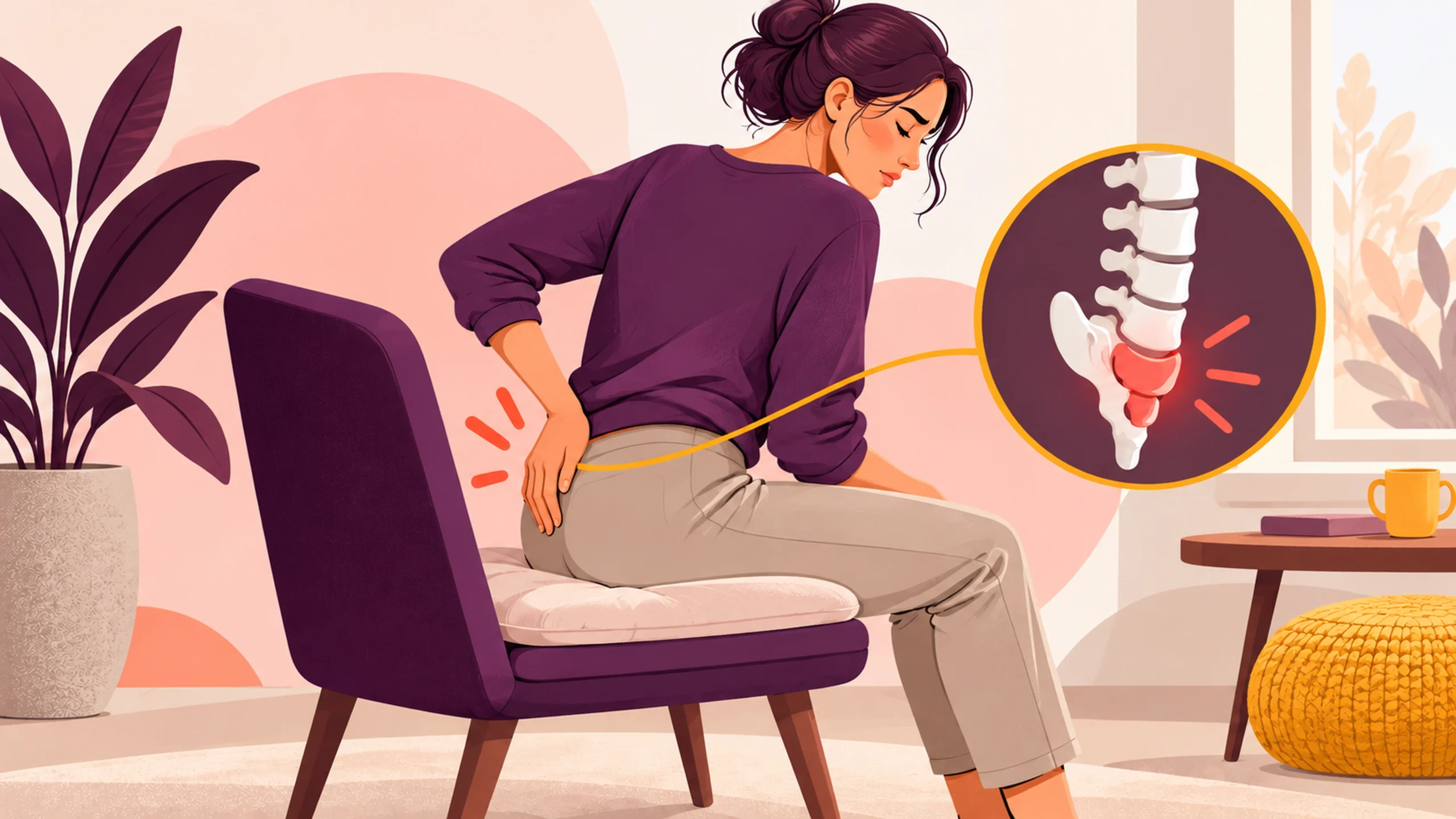
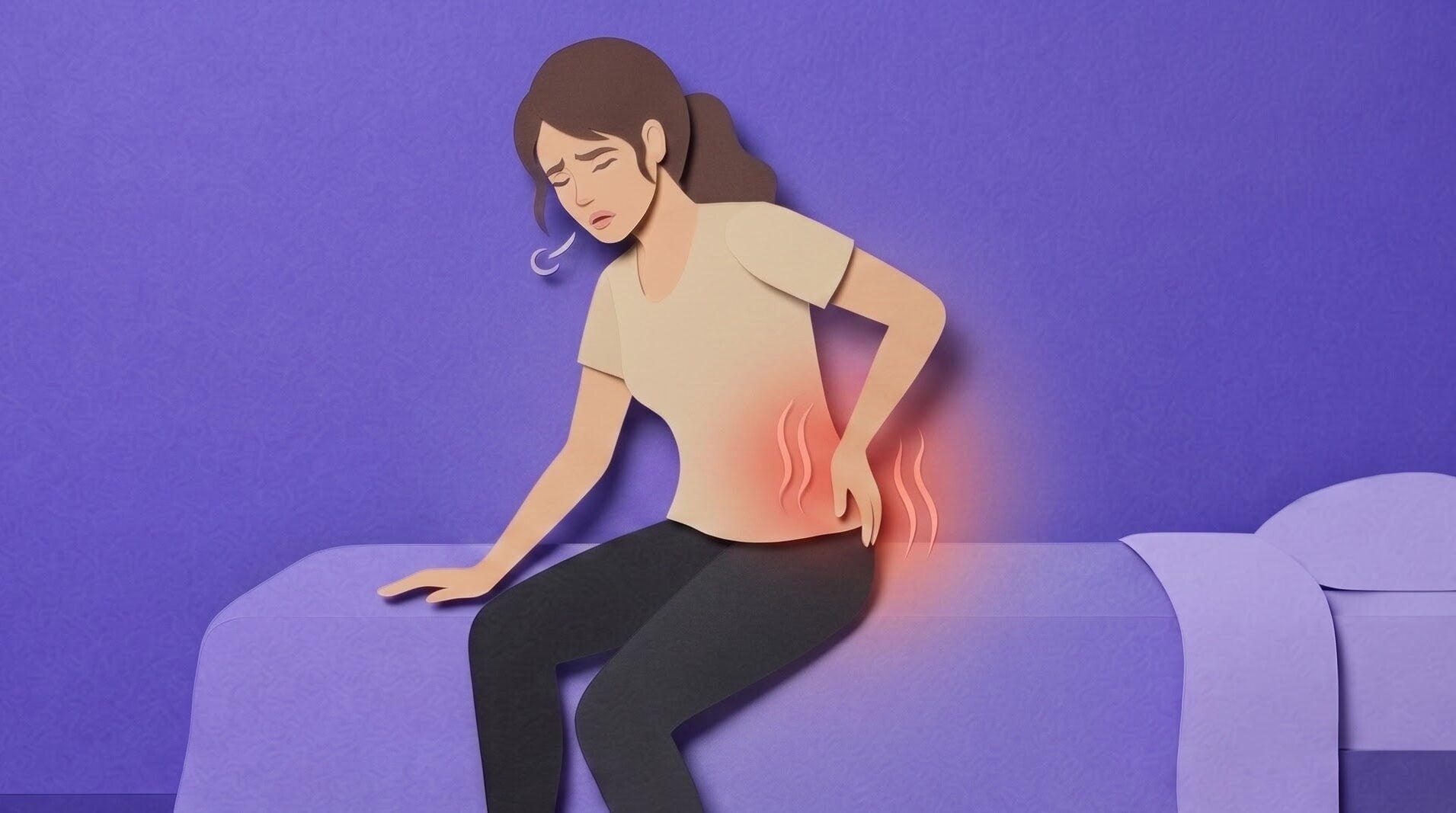
Extended sitting causes uneven pressure distribution across the spine, hips, and thighs. Furthermore, traditional car seats often lack sufficient lumbar support, thereby forcing the lower back into unnatural curves. Continuous exposure to vehicle vibrations, limited leg movement, and prolonged tension in the gluteal muscles further exacerbate discomfort.
Sciatica, Tailbone Ache, and Nerve Strain
Chronic poor posture can lead to back stiffness, sciatica, tailbone pain, and numbness in the legs due to restricted circulation. With time, prolonged discomfort affects alertness, focus, and even driving performance, making pain management a crucial consideration for professional drivers and frequent commuters.
Why Daily Commutes Worsen Spinal Fatigue?
Commuters and professional drivers are particularly vulnerable due to long durations of static sitting. In fact, combining long drives with poor seating habits, stress, and lack of movement ultimately increases the risk of musculoskeletal pain, fatigue, and spinal misalignment.
How Does a High-Density Memory Foam Car Cushion Support the Spine?

Viscoelastic Foam: Contouring Under Heat and Weigh
A memory foam car seat cushion is made of high-density, viscoelastic foam that moulds to the shape of the body. It responds to body heat and pressure, providing personalised comfort and support. By redistributing weight evenly, these cushions relieve pressure points on the lower back, hips, and tailbone.
Choosing the Right Style: Coccyx Car Seat Cushion, Wedge, and Gel Options
- Coccyx Cutouts for Tailbone and Sciatica Relief: These cushions feature a U-shaped cut-out at the rear to relieve pressure on the tailbone. Ideal for individuals with sciatica or chronic coccyx pain, they help reduce discomfort during long drives.
- Lumbar Support Cushions: Designed to support the lower spine, these cushions maintain the natural curvature of the back. As a result, they are ideal for individuals with sciatica or chronic coccyx pain, helping to reduce discomfort during long drives.
- Wedge-Style Driving Seat Cushion for Pelvic Tilt: Shaped to tilt the pelvis slightly forward, wedge cushions promote proper hip alignment. This encourages better posture and can alleviate pressure on the lower back and thighs.
- Cooling Gel Layers for Hot Summer Drives: These cushions combine memory foam with cooling gel layers to regulate tempe bnbrature. Specifically, they enhance comfort during hot weather or long drives by effectively reducing heat buildup and sweat.
- Full Seat + Back Combo Cushions: Offering comprehensive support, these cushions cover both the seat and back areas. They evenly distribute body weight, improve overall posture, and increase comfort for extended driving sessions.
How Memory Foam Cushions Work
Memory foam cushions conform to the individual’s body shape, thus distributing weight evenly across contact points. In turn, this reduces compression on the spine, tailbone, and hips while maintaining natural alignment. The foam absorbs and redistributes vibrations from the car, preventing strain on muscles and joints, especially during long drives.
Key Benefits: Why Invest in a Car Seat Cushion for Long Drives and Daily Commutes?
1. Targeted Relief for Lower Back and Sacrum
By conforming to body contours, memory foam cushions relieve strain on the lower back, hips, and thighs. Coccyx cut-outs or ergonomic contours reduce tailbone pressure, preventing pain during extended sitting.
2. Active Pelvic Support to Prevent Slouching
Memory foam cushions encourage proper spinal alignment and upright posture. For instance, they reduce slouching and forward-leaning tendencies, thereby keeping the spine naturally curved and preventing long-term musculoskeletal issues.
3. Better Blood Flow to Reduce Leg Numbness
The foam cushions improve blood flow to the legs and lower body by reducing compression points. As a result, better circulation prevents numbness, stiffness, and fatigue, ultimately enhancing comfort during long drives.
4. Portability Across Cabs, Cars, and Desk Chairs
Memory foam cushions are lightweight and portable, making them suitable for use in cars, office chairs, airplanes, or wheelchairs. Many come with straps or non-slip bases for secure placement.
5. Breathable Covers to Prevent Heat and Sweat
Gel-infused layers and breathable covers prevent heat buildup, keeping the seating surface cool and comfortable. This is particularly beneficial for long drives in hot weather.
Proper Placement: How to Position a Car Seat Cushion for Neutral Alignment?
Using a memory foam cushion correctly can significantly improve comfort and prevent long-term spinal or tailbone issues. Proper use and maintenance ensure the cushion delivers maximum benefits and lasts longer.
How to Position Your Driving Seat Cushion in the Cabin
The effectiveness of a memory foam cushion depends heavily on how it is positioned:
- Lumbar Support: If the cushion is designed for the lower back, place it in the small of your back, aligning with the natural curve of your spine. Ensure it fits snugly without pushing you forward.
- Coccyx Support: For tailbone cushions, position the cut-out section or tapered end at the rear to relieve pressure on the coccyx. The cushion should evenly distribute your body weight across the hips and thighs.
- Seat Integration: The cushion should sit flat on the car seat without folding or sliding. Many cushions come with straps or non-slip bottoms to prevent movement while driving.
The 15-Minute Adaptation Period for New Users
Memory foam requires a short adaptation period:
- Start with 15–30 minutes per session, gradually increasing to longer durations as your body adjusts.
- However, sudden prolonged use may cause temporary discomfort or muscle soreness as your body adapts to proper spinal alignment.
- Track how your back and hips feel after each drive; adjust placement if you experience pressure points.
Re-Adjusting Seat Angle (100°–110°) and Mirrors
A cushion works best when paired with ergonomic seating habits:
- Adjust the seat height so your knees are level with your hips or slightly lower.
- Set the backrest angle to roughly 100–110 degrees for optimal lumbar support.
- Keep shoulders relaxed, and avoid slouching even with a cushion, since long periods of poor posture can otherwise negate the cushion’s benefits.
Washing the Cover vs. Spot-Cleaning the Foam
Proper cleaning preserves hygiene and cushion integrity:
- Removable covers: Wash them according to manufacturer instructions, usually in cold water on gentle cycles, and air-dry to prevent shrinkage.
- Memory foam care: Avoid direct sunlight, high heat, or excessive moisture, because these factors can degrade foam density and resilience. In addition, do not machine-wash the foam itself.
- Odour management: Air out new cushions for 24–48 hours to remove the factory smell; occasional airing during regular use prevents mustiness.
When to Replace It (2 to 5-Year Lifespan)
Memory foam cushions wear out over time:
- Replace when the foam loses firmness or permanent indentations form.
- A deformed cushion can reduce support, potentially worsening posture issues.
- High-quality memory foam cushions typically last 2–5 years depending on usage, weight distribution, and care.
Buying Guide: Features to Look for in an Orthopaedic Driver Seat Cushion
Selecting the right cushion ensures comfort, durability, and ergonomic benefit. Consider your specific needs and vehicle setup.
1. Matching Shape to Your Specific Pain Trigger
Understanding the primary source of discomfort helps you choose an appropriate cushion:
- Tailbone pain: Look for U-shaped or cut-out cushions to relieve coccyx pressure.
- Lower back pain: Opt for cushions with firm lumbar support or wedge designs to maintain natural spinal curvature.
- General stiffness: Full-seat memory foam pads distribute weight evenly and reduce overall fatigue.
Other factors to consider:
- Body weight: Higher-density foam supports heavier users without bottoming out, while softer foam may suit lighter individuals.
- Seating position: Cushions designed for bucket seats may differ from flat or bench-style seats.
- Driving duration: Long drives benefit from thicker, more supportive foam, while short commutes may require a lighter, portable cushion.
2. Core Density, Anti-Slip Grip, and Breathability
When shopping for memory foam cushions, pay attention to:
- Density and firmness: Medium-to-high-density foam balances comfort and support; too-soft foam may sag, while very firm foam can feel uncomfortable.
- Non-slip base: Prevents sliding, thereby ensuring consistent support while braking or turning.
- Breathable, washable covers: Keep you cool, reduce sweat accumulation, and make cleaning simple.
- Temperature control: Gel-infused or ventilated designs can prevent heat retention during summer.
- Portability and weight: Lightweight cushions are easier to move between vehicles or use outside the car.
3. Checking Bucket Seat Fit and Safe Pedal Reach
For those with chronic pain or orthopaedic concerns:
- Consult a physiotherapist or orthopaedic specialist before choosing a cushion. They can recommend specific shapes, densities, or positions to support your spinal health.
- Vehicle fit: Measure your car seat and check the cushion dimensions to ensure snug fit. An ill-fitting cushion can slide or fail to provide adequate support.
- Posture alignment: Choose a cushion that complements seat adjustments, allowing a natural and relaxed driving posture
Complementary Habits for Better Driving Comfort
- Adjust car seat height and steering angle for ergonomic alignment.
- Take short breaks every 1–2 hours on long drives.
- Perform simple stretches for back, hip, and leg muscles.
- Maintain a neutral spine and relaxed shoulders while driving.
- Stay hydrated to prevent muscle stiffness.
- Incorporate core-strengthening exercises to support posture and reduce discomfort.
Conclusion
In conclusion, memory foam car seat cushions are essential tools for improving comfort, reducing back and tailbone pain, and promoting proper posture during long drives. Ultimately, selecting the right type and using it correctly ensures maximum benefit for daily commuters, professional drivers, and anyone who spends extended time sitting. Coupled with ergonomic driving habits and proper care, these cushions enhance overall well-being and driving experience.
Frequently Asked Questions About Driving Seat Cushions and Spine Health
1. What is a memory foam driving seat cushion, and how does it work?
A memory foam driving seat cushion is an ergonomic seat pad made from high-density viscoelastic foam that reacts to your body heat and weight.
2. Can using a driving seat cushion relieve lower back pain and sciatica?
Yes. By slightly raising your hips and correcting backward pelvic tilt, a driving seat cushion restores the natural inward curve (lordosis) of your lower spine.
3. How long does a high-density driving seat cushion typically last?
A high-quality driving seat cushion made from dense viscoelastic foam generally lasts between 2 and 5 years with regular daily use
4. Is a cooling gel driving seat cushion better for hot and humid weather?
Yes, gel-infused models are especially beneficial for hot summer drives and humid Indian monsoon traffic.
5. How do I clean and maintain a memory foam driving seat cushion?
Wash removable covers, air-dry foam, and avoid moisture and direct sunlight.
References
- Bandy, W. D., & Sanders, B. (2008). Therapeutic exercise for physical therapist assistants. Lippincott, Williams & Wilkins. Retrieved from https://cmc.marmot.org/Record/.b27688586
- Review on ergonomic design of a car seat. Retrieved from https://irjmets.com/uploadedfiles/paper//issue_3_march_2022/19852/final/fin_irjmets1647363225.pdf
- Ergonomics for passenger cars. Retrieved from https://www.researchgate.net/publication/277693801_Ergonomics_for_Passenger_Cars
- Therapeutic exercise text (archive) Retrieved from https://archive.org/details/therapeuticexerc0000unse
Disclaimer: The information provided in this article is for educational and informational purposes only and is not intended as medical advice. It should not be used to diagnose, treat, cure, or prevent any health condition or chronic spine issues. Always consult a qualified physician, physical therapist, or healthcare professional regarding any medical condition, lower back pain, sciatica, or posture concerns before making changes to your ergonomic routine or starting any corrective regimen.