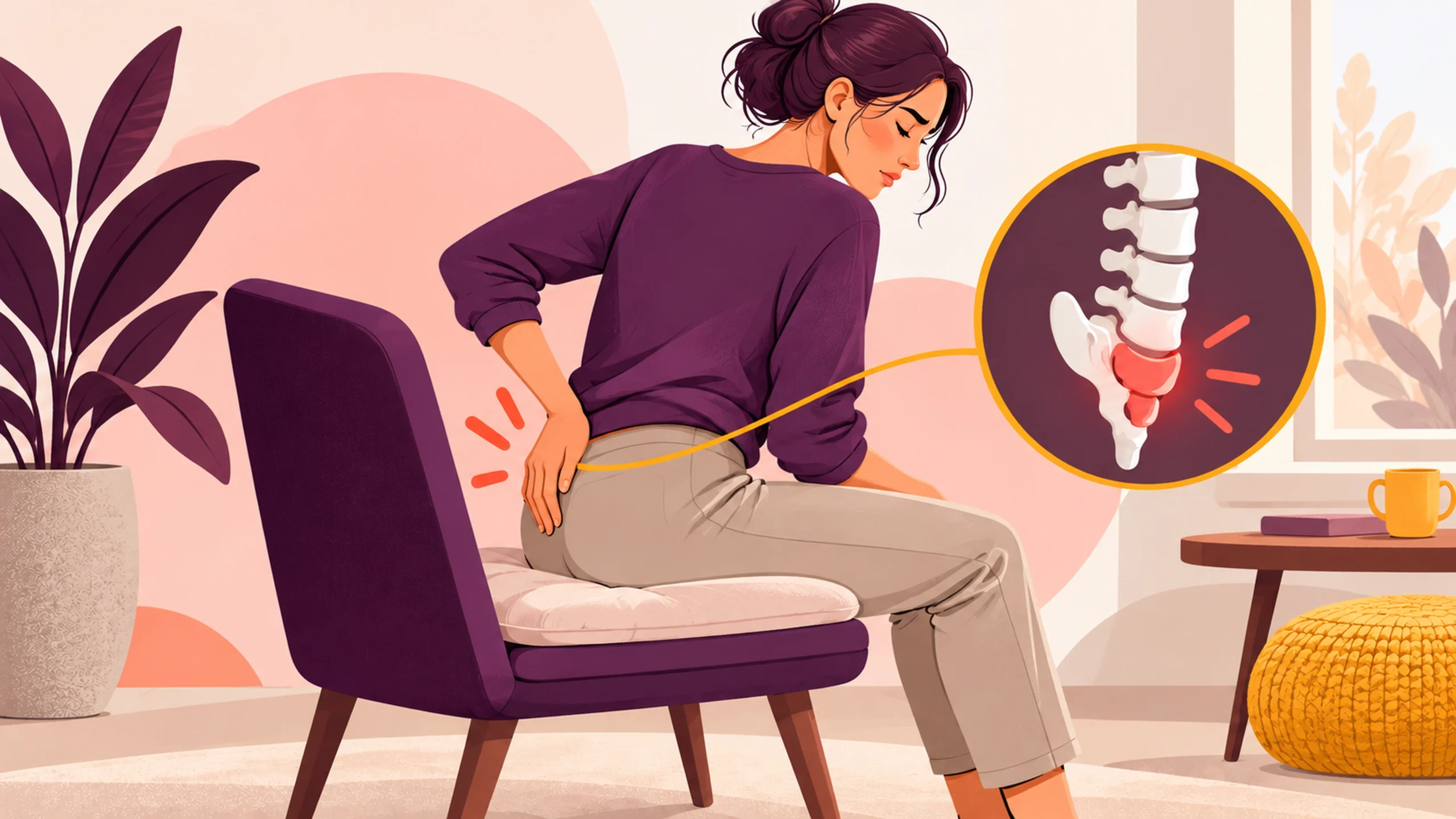
Whether you enjoy morning park walks, climbing stairs, or managing daily household chores, staying active is vital for healthy ageing. However, many older adults face persistent post-activity muscle fatigue. Prioritising muscle recovery for seniors is essential because ageing muscles repair differently due to natural biological shifts like reduced muscle mass (sarcopenia), lower protein synthesis, and decreased blood circulation.
The good news is that clinical research shows ageing muscles can still recover efficiently and build strength when supported by proper daily habits. A complete recovery routine combines gentle stretching, hydration, restful sleep, and protein-rich nutrition, such as eggs, poultry, or traditional Indian staples like dals, paneer, and sprouts, to rebuild muscle fibres, improve balance, and protect your physical independence.[1,2]
Why Muscle Recovery for Seniors Matters
Have you ever finished a brisk morning walk at your local park, or spent an active afternoon managing household chores, only to feel a deep, nagging ache in your calves and thighs for the rest of the day?
As we age, natural biological shifts directly affect how our body responds to daily movement. Chief among these changes is sarcopenia, the age-related loss of skeletal muscle mass and functional strength. Whenever you exercise or move vigorously, your muscle fibres experience microscopic tears (microtears). While these tiny tears are a completely normal and necessary trigger for building strength, your body requires proper time and support to heal them.
What Happens Without Proper Recovery?
When post-activity recovery is neglected, those microtears accumulate rather than rebuild, leading to several common issues:
- Persistent Muscle Soreness: Aches and stiffness that linger for days instead of fading quickly.
- Reduced Mobility: Difficulty rising comfortably from low chairs or navigating stairs.
- Increased Risk of Injury: Tired, unrecovered muscles provide less support to your knees and ankles, compromising your balance.
- Heavy Physical Fatigue: Feeling drained early during your routine daily activities.[1]
For post-exercise soreness to effectively build muscle strength and stamina, proper recovery is essential. Interestingly, a meta-analysis of 36 clinical studies revealed that ageing muscles do not suffer more damage or require longer recovery times than younger muscles. This confirms that older adults can exercise safely and build physical resilience, provided they support their bodies with proper recovery precautions[1]
What Causes Muscle Soreness & How Does It Impact Muscle Recovery for Seniors?
Have you ever started a new morning walking routine or spent an energetic afternoon tending to your garden, only to wake up the next day with stiff, aching legs? Feeling mild tenderness when introducing new movements to your routine is completely normal. However, recognising what triggers this discomfort is the first step toward optimising muscle recovery for seniors and keeping your body moving pain-free.
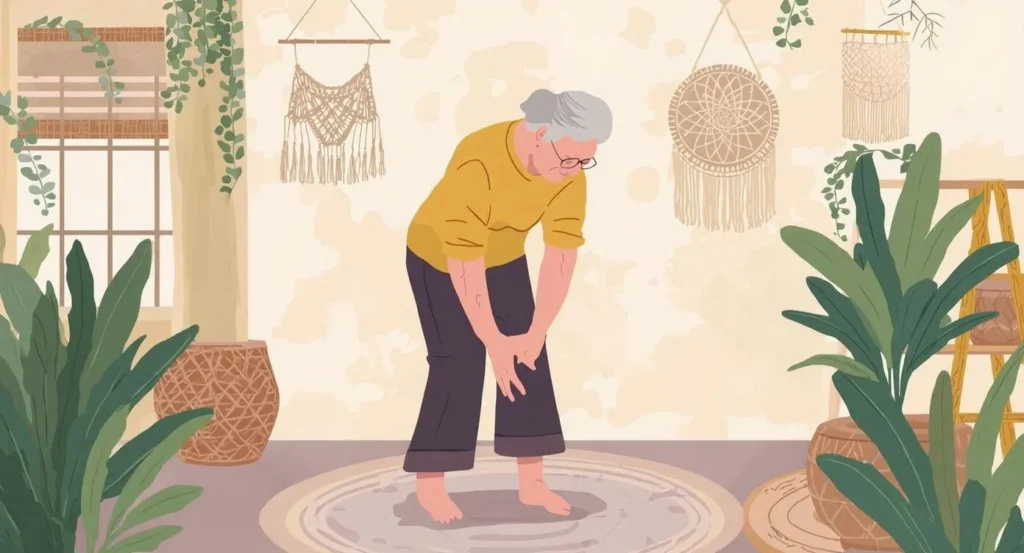
5 Everyday Triggers Behind Senior Muscle Soreness
Sudden Increases in Physical Activity
Resuming workouts or taking up exercise after a long period of inactivity strains unfamiliar muscle groups. To prevent intense soreness, gradually increase the duration and intensity of your daily activities so your muscles can adapt naturally.
Repetitive Muscle Overuse
Performing the exact same movement over and over leads to localised muscle fatigue and stiffness. Common daily culprits include walking long distances on hard paved paths, bending during gardening, or standing while managing household chores.
Skipping a Pre-Workout Warm-Up
A gentle warm-up gets your blood flowing and loosens tight muscle fibres before activity. Skimping on warm-up stretches leaves muscles cold and rigid, significantly increasing your risk of accidental pulls and joint strain.
Dehydration
Water acts as your body’s transport system, delivering essential nutrients to active muscles while washing away metabolic waste built up during exercise. Failing to drink enough fluids slows this process down and delays your recovery.
Poor or Interrupted Sleep
Sleep is your body’s ultimate repair phase. During the deepest stages of sleep, your pituitary gland secretes a natural pulse of growth hormone needed to repair microtears, rebuild muscle tissue, and restore your physical energy.[3]
Key Health Benefits of Muscle Recovery for Seniors
Adopting consistent post-activity recovery habits does far more than just soothe temporary aches; it actively preserves your physical independence and keeps your body moving with confidence. When you prioritise structured muscle recovery for seniors, your body gains several key health advantages:
Relieves Lingering Muscle Soreness & Stiffness:
Incorporating light stretches and gentle movements after daily exercise helps release trapped muscle tension, reducing post-walk stiffness and keeping your legs feeling light and limber.
Improves Blood Circulation & Nutrient Delivery:
Gentle recovery activities stimulate healthy blood flow, actively transporting oxygen and essential repair nutrients directly to overworked muscle tissues to speed up healing.
Rebuilds Functional Muscle Mass & Strength:
Your muscle fibres don’t grow during exercise itself; they rebuild stronger while you rest. Consistent recovery periods allow older adults to maintain skeletal muscle mass and build long-term stamina for daily chores.
Protects Joints & Prevents Accidental Injuries:
Giving your muscles and connective tissues adequate downtime allows them to repair properly, strengthening stability around your knees and ankles and significantly lowering the risk of joint strain or accidental stumbles.
Enhances Mobility & Preserves Daily Independence:
Flexible, well-rested muscles allow you to navigate stairs, rise comfortably from low chairs, and manage daily errands with ease, ensuring you stay active, confident, and independent as you age
Safe & Gentle Exercises for Muscle Recovery in Seniors
You don’t need intense workouts to speed up muscle healing! Incorporating low-impact movements and light stretches after daily physical activity increases blood circulation, delivering fresh oxygen and nutrients to overworked muscle fibres while flushing away stiffness.
Here are the most effective physio-approved exercises and post-activity stretches to support muscle recovery for seniors, right from the comfort of your home:
Gentle Walking
Taking a short, relaxed 10-to-20-minute walk at a comfortable pace is one of the easiest ways to recover.
- Key Benefits: Promotes healthy blood flow, reduces leg stiffness, supports joint mobility, and maintains heart and lung fitness.
Light Yoga & Deep Breathing
Gentle yoga combines low-impact stretching with conscious relaxation and breathwork.
- Key Benefits: Enhances full-body flexibility, lowers stress hormones, improves balance to prevent falls, and releases deep muscle tension
Step-by-Step Post-Activity Recovery Stretches
Performing these simple stretches after walking, gardening, or household chores keeps your muscles limber and prevents next-day stiffness:
Seated Hamstring Stretch(Relieves Lower Body Tightness)
- How to Perform: Sit upright on a sturdy dining chair. Extend one leg straight out with your heel resting on the floor. Keeping your back straight, lean gently forward from your hips toward your toes until you feel a soft stretch along the back of your thigh. Hold for 15 to 20 seconds and switch legs.
Shoulder & Neck Rolls(Relieves Upper Body Stress)
- How to Perform: Everyday activities like carrying heavy grocery bags (sabzi) or sitting at a computer strain the upper back. Sit or stand upright. Slowly roll your shoulders forward in smooth circular motions 5 times, then reverse the motion and roll them backwards to release neck and shoulder tightness.
Wall Calf Stretch(Improves Ankle Stability & Balance)
- How to Perform: Stand facing a wall and place your palms flat against it at shoulder height. Step one foot behind you, keeping your back heel flat on the floor and your back leg straight. Gently bend your front knee until you feel a comfortable pull in your back calf. Hold for 20 seconds and repeat on the other side.
Supported Quadriceps Stretch(Eases Knee Stiffness)
- How to Perform: The large muscles on the front of your thighs (quadriceps) absorb significant shock when walking or climbing stairs. Holding onto a sturdy wall or chair for balance, gently bend your knee to bring your heel toward your glutes, holding your ankle or pant hem. Hold for 15–20 seconds to improve knee mobility.
Gentle Standing Hip Stretch(Enhances Walking Posture)
- How to Perform: Strong, flexible hips are vital for pelvic stability and smooth walking. Taking a small step forward and gently pushing your hips forward opens up tight hip flexors, relieving lower-back tension after long hours of standing.
Essential Nutrition & Hydration for Faster Muscle Recovery
Exercise creates microscopic tears in muscle fibres, but what you consume after physical activity determines how quickly those fibres repair and rebuild stronger. Combining proper diet, hydration, and key micronutrients is vital for supporting muscle recovery for seniors:
Protein Intake: The Rebuilding Blocks
Protein breaks down into essential amino acids, the vital building blocks needed to repair damaged muscle tissue and preserve lean skeletal muscle mass (sarcopenia prevention).
- Indian Dietary Sources: To hit your daily protein targets, include a protein source with every meal such as boiled eggs, chicken, or fish, alongside traditional vegetarian staples like dals, paneer, sprouts, Greek yoghurt (dahi), and roasted chana.
Hydration: Flushing Out Muscle Waste
Water acts as your body’s transport system, delivering essential nutrients to active muscle cells while flushing away metabolic waste products that cause post-workout aches.
- Hydration Strategy: Drink water consistently throughout the day, not just when you feel thirsty. Consuming fluids before, during, and after exercise keeps muscle tissue pliable. Healthy additions like coconut water or mild nimbu pani also restore natural electrolytes.
Key Micronutrients for Muscle Health
Certain vitamins and minerals play a direct role in muscle contraction, nerve signal transmission, and tissue repair:
- Vitamin D: Vital for muscle tissue repair, bone density, and maintaining overall physical strength.
- Magnesium: Supports muscle relaxation, nerve function, and prevents painful nighttime leg cramps.
- Potassium: Works with sodium to regulate fluid balance within muscle cells and support smooth muscle contractions.
How Quality Sleep Accelerates Muscle Recovery for Seniors
Sleep is far more than passive rest; it is your body’s most critical active repair phase. During the deepest stage of sleep, your brain triggers a natural release of growth hormones that repair microscopic muscle tears and rebuild tissues strained during your daily walk or household chores.
To optimise physical recovery, flush out muscle fatigue, and protect your mobility, health experts recommend that adults aim for 7 to 9 hours of quality sleep each night [3]. Maintaining a consistent sleep routine ensures your body gets sufficient time in this tissue-building phase so you can wake up without stiffness.
To help ease local muscle tension before bed, gently massaging a physio-trusted magnesium body lotion or topical recovery roll-on onto tired calf muscles can soothe tightness and promote uninterrupted deep sleep.
Essential Daily Habits for Optimal Muscle Recovery for Seniors
Your post-exercise routine is only half the equation; small, consistent lifestyle choices throughout the day play a massive role in how quickly your body repairs itself. Incorporating these four daily habits into your routine supports long-term muscle recovery for seniors and keeps your joints moving smoothly:
Stay Consistently Active (Without Overdoing It)
Engaging in regular, low-impact movement, such as daily colony walks, light gardening, or gentle household chores, keeps your joints lubricated, maintains functional muscle strength, and prevents stubborn stiffness from settling into your legs
Make Daily Stretching a Morning & Evening Habit
Dedicating just 5 to 10 minutes every day to gentle calf, hamstring, and shoulder stretches keeps your muscle fibres pliable and flexible. Consistent daily stretching reduces overall soreness and helps you rise comfortably from chairs and bed
Fuel Your Body with Balanced, Protein-Rich Nutrition
A diet rich in lean protein, healthy omega fats, and whole foods provides the essential raw materials needed for muscle tissue repair. Incorporate traditional staples like dals, paneer, eggs, sprouts, seeds, and fresh vegetables into your daily meals to fuel cellular repair.
Avoid Overtraining & Respect Rest Days
When it comes to exercise in older age, more is not always better. Always listen to your body and schedule lighter activity or rest days between longer walks or heavy physical sessions, giving your muscle fibres sufficient downtime to rebuild stronger without risking joint strain or fatigue
When Seniors Should Avoid Exercise
While staying physically active is vital for healthy ageing, there are times when your body sends clear signals to rest. Pushing through sharp pain or injury can cause further damage and delay overall muscle recovery for seniors.
Red-Flag Symptoms: Stop Activity Immediately If You Experience:
- Severe or Sharp Muscle Pain: Pain that feels sharp or tearing, rather than a mild post-walk muscle ache.
- A Recent Injury or Unhealed Strain: Any recent fall, twist, or joint sprain that hasn’t fully healed.
- Sudden Joint Inflammation or Swelling: Visible swelling, redness, or heat around your knees, ankles, or wrists.
- Dizziness, Faintness, or General Weakness: Feeling lightheaded, unsteady on your feet, or unusually exhausted.
Maintaining Long-Term Muscle Health & Independence as You Age
Preserving strong, functional muscles is the foundation of healthy ageing and daily confidence. Robust skeletal muscles do far more than just help you exercise; they stabilise your joints, improve your balance, and significantly lower the risk of accidental stumbles or falls.
When you combine consistent, low-impact exercise with proper post-activity recovery, you actively protect yourself against age-related condition shifts like sarcopenia (muscle mass loss) and motor function decline. Medical experts emphasise that it is never too late to start; introducing a gentle fitness and recovery routine, even later in life, dramatically enhances your physical strength, restores daily energy, and preserves your independence for years to come.[2]
Conclusion
Prioritising muscle recovery for seniors is the most effective way to ease post-exercise stiffness and safeguard your daily independence. Combining gentle movement, such as daily walks and stretches, with protein-rich nutrition, proper hydration, and 7 to 9 hours of sleep helps your muscle fibers repair efficiently. Clinical research confirms that ageing muscles retain a remarkable capacity to heal, allowing you to build lasting strength and enjoy an active, confident life.
Disclaimer
The information provided in this guide is for educational and informational purposes only and is not intended as medical advice, diagnosis, or a substitute for professional healthcare. Always consult your general physician, orthopaedic specialist, or a certified physiotherapist before starting any new exercise program, stretching routine, or recovery regimen, especially if you have underlying health conditions, chronic pain, or joint concerns. If you experience severe pain, sudden joint swelling, dizziness, or numbness during any activity, stop immediately and seek medical evaluation.
FAQs
With age, muscle mass and protein synthesis naturally decline, impacting how fast we recover.
Mild activities such as walking, stretching and yoga fall among the safest exercises to do for recovery.
Health generally suggest at least 150 minutes a week of moderate physical activity.
Yes, hydration aids in the delivery of nutrients to muscles and removal of waste byproducts.
References
[1] MedicalXpress. (2025). Older adults experience similar or even less muscle damage than young adults after exercise. https://medicalxpress.com/news/2025-04-older-adults-similar-muscle-young.html (medicalxpress.com)
[2] The Guardian. (2025). Is it harder to build muscle mass as you age? https://www.theguardian.com/lifeandstyle/2025/jul/14/is-it-true-that-its-harder-to-build-muscle-mass-and-strength-as-you-age (The Guardian)
[3] Health.com. (2025). How much sleep do you need for muscle recovery? https://www.health.com/sleep-for-muscle-recovery-11703090 (Health)