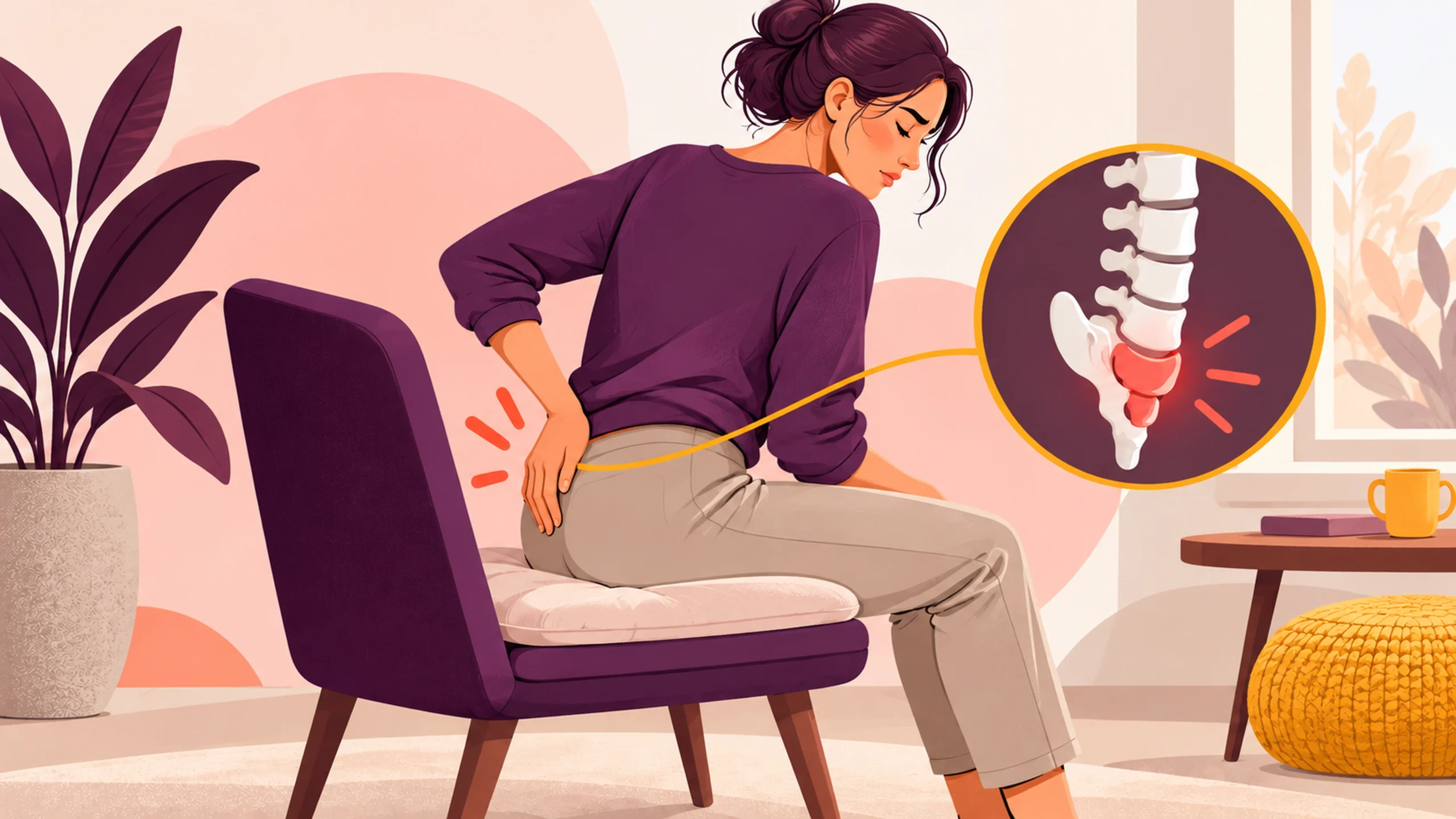
Imagine sitting through an endless WFH team meeting or driving through heavy traffic, only to feel a sharp, nagging throb right at the base of your spine. That persistent ache near your tailbone (coccydynia) can turn simple daily tasks like sitting at your desk into a painful chore. While many turn to ergonomic seating supports for relief, navigating online coccyx cushion myths and mixed advice makes it difficult to know what actually works.[1]
Who Is Affected by Tailbone Pain?
Tailbone discomfort isn’t restricted to a specific age or lifestyle; it frequently impacts:
- Desk & WFH Workers: Confined to office chairs for long, unbroken hours.
- Daily Commuters: Spending extended time driving on bumpy roads or sitting in heavy traffic.
- Postpartum Mothers: Recovering from pelvic pressure and strain following childbirth.
- Athletes & Active Individuals: Healing from pelvic impact or lower-spine injuries.
With conflicting opinions online, some claiming these pillows are a miracle cure, while others warn they cause more harm than good, separating fact from fiction is essential. This article breaks down common misconceptions using scientific research, providing a practical guide on how to choose and use ergonomic seating supports safely so you can protect your posture and sit comfortably.
What Are the Most Common Myths About Coccyx Cushions?
Myth 1: Coccyx Cushions Are Only for Older Adults
The Misconception: Many believe tailbone pillows are designed exclusively for senior citizens. This belief likely stems from the fact that age-related bone density loss and spinal degeneration make tailbone injuries more frequent among older adults.
The Reality: Tailbone pain (coccydynia) affects people across all age groups and daily routines, not just the elderly.
Who Really Experiences Tailbone Strain?
- 💻 WFH Workers & Students: Sitting for 8–10 hours on rigid office or dining chairs strains the lower spine.
- 🚗 Daily Commuters: Driving long distances in heavy traffic or riding two-wheelers over uneven roads.
- 🎮 Gamers & Tech Enthusiasts: Extended sitting in static positions without posture breaks.
- 👶 Postpartum Mothers: Recovering from pelvic floor pressure and tailbone strain following childbirth.
Repetitive strain, poor sitting alignment, or direct impact can trigger tailbone inflammation regardless of age. An ergonomic coccyx cushion helps redistribute body weight, suspend the tailbone away from hard surfaces, and maintain proper pelvic alignment for anyone experiencing or preventing tailbone pain[1].
Myth 2: A Coccyx Cushion Will Permanently Cure Tailbone Pain
- ❌ The Misconception: Believing that simply buying an ergonomic seat pillow will permanently heal long-standing tailbone pain on its own.
- 🧠 The Reality: No single cushion can serve as a permanent “magic cure” for chronic pain.
- 🩺 Understanding the Root Cause: Tailbone discomfort can stem from several underlying conditions, including localised coccyx inflammation (coccydynia), a prior tailbone fracture or dislocation, or referred nerve strain originating from the lower lumbar spine or pelvic structures.
While an ergonomic seat pillow takes direct pressure off your tailbone and makes sitting significantly more comfortable, lasting recovery requires addressing the root medical cause. Coccyx cushions serve as an essential support tool, offering immediate symptomatic relief while you work through a complete recovery plan involving physiotherapy, targeted exercises, posture adjustments, or medical care[2].
Myth 3: All Coccyx Cushions Work the Same Way
- The Misconception: Assuming that any seat pillow or doughnut cushion provides equal support and pressure relief.
- The Reality: Cushions vary widely in material, shape, and ergonomic design, and these differences directly affect how well your spine is supported.
- Material & Design Breakdown:
- Memory Foam: Contours to your unique body shape to deliver tailored pressure distribution.
- Gel Layers: Help dissipate body heat during long sitting hours in warm, humid weather.
- Air-Filled Chambers: Allow customizable firmness levels based on personal comfort preferences.
Clinical research shows that cushion design directly impacts spinal alignment. For example, U-shaped cushions with an open cut-out suspend the tailbone in air to prevent direct contact with hard chair surfaces. In contrast, flat or traditional doughnut cushions can press inward against the tailbone or cause an unnatural pelvic tilt, which may actually worsen your discomfort. Choosing the right cushion depends on your body weight, daily sitting duration, and specific pain condition.[3].
Choosing the right cushion depends on individual needs, sitting habits, and the nature of tailbone pain.
Myth 4: Using a Coccyx Cushion Can Make Your Pain Worse
❌ The Misconception: Steering clear of coccyx cushions out of fear that using one will actually aggravate or worsen tailbone discomfort.
🧠 The Reality: This concern isn’t entirely baseless; using a poorly designed, flat, or ill-fitting cushion can increase strain on your lower spine.
🔍 Why the Wrong Cushion Triggers Discomfort:
- No Tailbone Cut-Out: Flat cushions or standard pillows lack an open U-shaped or wedge cut-out. Instead of suspending your tailbone in the air, they compress directly against it, increasing pressure.
- Incorrect Foam Density: An overly soft cushion bottoms out completely under your body weight, leaving you sitting directly on hard chair wood. Conversely, an overly rigid cushion forces your pelvis into an unnatural, stiff position that causes hip and lumbar muscle fatigue.
- The Safe Solution: When properly selected, an ergonomically designed, medically approved coccyx cushion reduces tailbone pressure and gently guides your spinal alignment. The key lies in choosing a supportive design with a dedicated cut-out as part of an overall daily movement and back care strategy.[4]
Myth 5: You Don’t Need a Cushion If You Sit on a Soft Chair or Plush Sofa
The Ergonomic Fix: A well-crafted coccyx cushion provides firm, balanced weight distribution. Unlike regular sofa cushions, it suspends your coccyx away from hard surfaces below, preserves your natural lumbar curve, and promotes healthy sitting posture on any chair or sofa.[5].
The Misconception: Assuming that plush sofa cushions, soft office chairs, or padded living room seats fully protect your tailbone and make an ergonomic seat support unnecessary.
The Reality: While sinking into a soft couch or plush chair feels cosy initially, super-soft seating lacks the structural support required to keep your spine properly aligned.
🛋️ What Really Happens on Soft Seating:
- Backwards Pelvic Tilt: Sinking deep into a soft sofa forces your pelvis to roll backwards (posterior pelvic tilt).
- Flattened Lumbar Curve: This backward tilt flattens the natural inward curve of your lower back, shifting your entire upper body weight directly onto your vulnerable tailbone.
- Uneven Compression: Regular throw pillows or plush sofa cushions collapse unevenly, leaving your pelvis unstable and forcing your lower back muscles to overwork.[5]
Myth 6: Memory Foam Is Always the Best Choice
- The Misconception: Assuming that pure memory foam is universally the superior material for every type of tailbone pain and seating setup.
- The Reality: While memory foam is popular for its contouring feel and pressure-point relief, it isn’t the ideal choice for every body type or sitting environment.
- The Heat & Density Factor: Standard memory foam naturally traps body heat. During long WFH desk hours or warm weather, this heat retention can lead to sweating, humidity build-up, and discomfort. Softer memory foam can also compress too deeply under higher body weights, causing it to lose structural support over time.
- Cooling & Hybrid Alternatives:
- Gel-Infused Hybrids: Incorporate a cooling gel layer that dissipates body heat while offering firmer, longer-lasting support.
- Air & High-Density Foams: Provide better ventilation and adjustable or resilient firmness levels for extended sitting.
Your ideal cushion material depends on your body weight, daily sitting duration, local climate, and personal comfort preferences [6].
Myth 7: Coccyx Cushions Are Uncomfortable and Too Bulky to Carry
Choosing for Comfort: Finding the most comfortable cushion comes down to selecting the right size and firmness for your body weight and daily sitting habits. Looking for ergonomic certifications and verified pressure-mapping reviews ensures you get portable relief without compromising on structural support.
The Misconception: Assuming that tailbone pillows are heavy, awkward, and embarrassing to carry around between your home, office, or car.
The Reality: While older orthopaedic seat cushions were indeed thick, rigid, and bulky, modern ergonomic design has transformed how seating supports are built.
Slim, Lightweight & Portable Support:
- 🪶 Sleek Profiles: Today’s high-density foam and gel-hybrid cushions feature low-profile contours that fit seamlessly onto office chairs, car seats, or dining chairs without raising you too high.
- 🚆 Built for Travel & Commuting: Many modern models weigh under 500 grams, include built-in carry handles, or feature foldable designs, making them easy to pack for long flights, train journeys, or daily cab and car commutes.
- 🧼 Washable Covers: Removable, breathable mesh covers keep the cushion clean and discreet under daily use.[7]
What’s Actually True About Coccyx Cushions?
They Help Alleviate Pressure from the Tailbone
The primary function of a coccyx cushion is to redistribute body weight away from the tailbone, reducing direct stress on the coccyx. This decreases pressure that can aggravate inflammation or injury, providing relief during prolonged sitting.
Biomechanical studies using pressure mapping have demonstrated significant reduction in coccyx pressure when sitting on U-shaped cushions compared to flat seats [8].
Ideal for Prolonged Sitting and Injury Recovery
People recovering from coccygeal fractures or dealing with coccydynia often find daily use of coccyx cushions beneficial. The cushions reduce pain during activities such as office work, long drives, or wheelchair use by supporting proper posture and minimising pressure [9].
Correct Cushion Design Matters
The shape and design of the cushion are crucial. Cushions with a U-shaped or wedge cut-out beneath the tailbone prevent direct contact and pressure. Ergonomic designs that promote an anterior pelvic tilt help maintain the natural lumbar curve, reducing muscular strain.
Clinical research supports the superiority of ergonomic cushions over traditional flat or doughnut cushions in relieving coccyx pain [10].
They Support Better Sitting Posture
Using coccyx cushions encourages better sitting posture by promoting pelvic alignment. This reduces compensatory muscle tension and spinal misalignment that contribute to pain.
A 2020 biomechanical study found that cushions with appropriate cut-outs encouraged an anterior pelvic tilt, supporting the lumbar spine’s natural curvature and reducing fatigue [11].
They’re Useful Across Age Groups and Lifestyles
Coccyx cushions benefit a wide demographic, from students and office workers to postpartum women and drivers. They provide preventive support for those with sedentary habits as well as therapeutic aid for those with existing coccyx pain [12].
How Do You Choose the Right Coccyx Cushion?
Material Types: Gel, Memory Foam, Air-Filled
Memory foam contours to your shape but may retain heat. Gel cushions offer cooling and firm support. Air-filled cushions allow adjustable firmness and portability. Your choice should depend on duration of use, comfort preferences, and environment [13].
Size and Portability
For office or travel, lightweight and foldable cushions are best. Make sure the cushion fits your chair and allows comfortable leg positioning. Thickness should be enough to provide relief without raising you too high [14].
Cut-Out Design and Shape
Look for U-shaped or V-shaped cut-outs that remove pressure from the coccyx. Wedge shapes can tilt the pelvis forward to maintain spinal alignment. Avoid flat or doughnut-shaped cushions that do not adequately relieve pressure [15].
Medical Recommendations and Certifications
Choose cushions tested or recommended by orthopaedic specialists. Certifications indicate compliance with ergonomic standards and pressure-mapping validation, ensuring safer, more effective support [16].
When Should You Use or Avoid Coccyx Cushions?
Post-Surgery or Fracture
Cushions can ease pain and protect healing tissue after lower spine or pelvic surgery. Always consult your surgeon before use [17].
Chronic Coccyx Pain
For chronic coccydynia, cushions provide daily symptomatic relief but are usually part of a multi-modal treatment plan including physical therapy and medication [18].
Pregnancy/Postpartum Use
Postpartum women often suffer tailbone pain due to childbirth trauma. Cushions offer safe, gentle relief during breastfeeding or prolonged sitting [19].
Situations Where a Medical Check Is Needed First
Avoid cushions if pain is due to infection, malignancy, or undiagnosed fractures. Using cushions without a proper diagnosis may mask serious conditions and delay treatment [20].
Final Thoughts: Don’t Let Myths Decide Your Comfort
Coccyx cushions are valuable tools for managing tailbone discomfort when chosen carefully and used properly. They offer real benefits by redistributing pressure, supporting posture, and improving sitting comfort. However, they are not miracle cures.
Separating fact from myth empowers you to make decisions based on your symptoms and medical advice. The right cushion may not cure your pain but can make daily sitting much more bearable. Always consult healthcare professionals for persistent or severe pain and combine cushion use with active self-care strategies for the best outcomes.
Disclaimer
This content is for educational purposes only and does not substitute for professional medical advice. Ergonomic coccyx cushions help relieve sitting pressure but do not cure underlying spinal or pelvic conditions; always consult a physiotherapist or orthopaedic doctor for persistent tailbone pain
Frequently Asked Questions:
1. Do coccyx cushions actually work for tailbone pain?
Yes, scientific studies show that ergonomic coccyx cushions reduce pressure and improve posture, helping relieve pain in many cases [8].
2. Can sitting on a coccyx cushion worsen back or hip pain?
If the cushion is poorly designed or used improperly, it can cause discomfort or worsen symptoms. Choose a medically approved design and adjust usage as needed [4].
3. Are coccyx cushions only needed for hard chairs?
No. Even soft chairs can cause poor posture and pressure issues. Cushions help distribute weight and improve alignment on all seating types [5].
4. How long should I use a coccyx cushion daily?
Use as needed during prolonged sitting. Gradually increase duration while monitoring comfort and pain levels. Consult a healthcare provider for personalised advice.
5. Can coccyx cushions help during pregnancy?
Yes, they can provide relief from tailbone pain related to pregnancy and postpartum recovery by reducing pressure and supporting posture [19].
References:
- https://www.ncbi.nlm.nih.gov/pmc/articles/PMC7104212/
- https://www.mayoclinic.org/diseases-conditions/coccydynia/symptoms-causes/syc-20371356
- https://pubmed.ncbi.nlm.nih.gov/24567118/
- https://www.ncbi.nlm.nih.gov/pmc/articles/PMC5605287/
- https://www.ncbi.nlm.nih.gov/pmc/articles/PMC4651493/
- https://pubmed.ncbi.nlm.nih.gov/26371744/
- https://www.sciencedirect.com/science/article/abs/pii/S0967586819305734
- https://pubmed.ncbi.nlm.nih.gov/25657350/
- https://www.ncbi.nlm.nih.gov/pmc/articles/PMC6786163/
- https://pubmed.ncbi.nlm.nih.gov/32046803/
- https://pubmed.ncbi.nlm.nih.gov/32614207/
- https://www.ncbi.nlm.nih.gov/pmc/articles/PMC7085331/
- https://www.ncbi.nlm.nih.gov/pmc/articles/PMC6982724/
- https://www.ncbi.nlm.nih.gov/pmc/articles/PMC6543319/
- https://pubmed.ncbi.nlm.nih.gov/29178567/
- https://www.orthobullets.com/spine/3032/coccyx-injuries
- https://www.ncbi.nlm.nih.gov/books/NBK507884/
- https://www.ncbi.nlm.nih.gov/pmc/articles/PMC6746787/
- https://pubmed.ncbi.nlm.nih.gov/30614356/
- https://www.ncbi.nlm.nih.gov/pmc/articles/PMC5598473/