Whether you are standing for hours in the kitchen preparing daily meals, navigating long commutes on crowded buses or local trains, or walking on hard marble and tiled floors at home, sore feet can quietly ruin your day. Most people ignore mild heel stiffness or foot fatigue until it becomes sharp enough to disrupt daily walking, work shifts, or exercise routines. Placing ergonomic orthotic inserts like good feet arch supports inside your daily footwear provides essential stability to your foot’s natural curvature, redistributing body weight evenly and reducing heavy impact on your joints and muscles
Why Your Foot Arch Matters for Total Body Health
Your foot arch is your body’s primary weight-bearing and shock-absorbing mechanism during every step you take. When your arches lack proper structural support or roll out of alignment, the repetitive shock of walking doesn’t stay in your feet; it migrates upward, causing sharp heel pain (plantar fasciitis), ankle strain, and secondary pain in your knees and lower back. Physiotherapists and medical experts confirm that a properly fitted arch support prevents excessive strain on the plantar fascia tissue, restoring balance and allowing for smooth, pain-free daily movement.
Understanding the Complex Anatomy of Feet
Understanding Foot Anatomy: The Three Arches & How They Protect Your Body
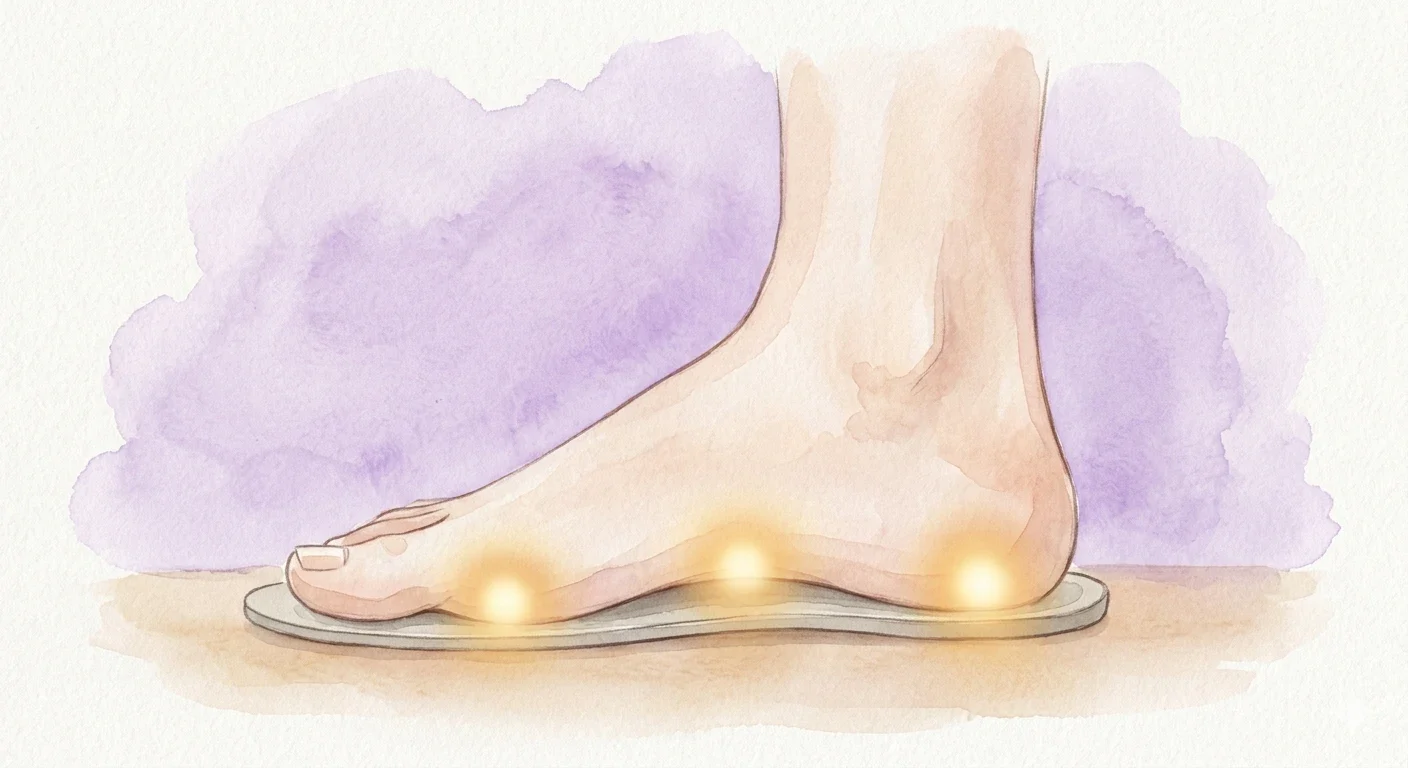
Featuring an intricate framework, the human foot combines 26 bones, 33 joints, and over 100 muscles, ligaments, and tendons to bear your entire body weight and enable smooth daily movement. At the core of this biomechanical system is the foot arch, which serves as a vital structural foundation for weight distribution and shock absorption whenever you walk, run, or stand on hard marble and tiled floors.
The Three Primary Arches of the Foot
Rather than a single curve, your foot actually relies on three distinct arches working in unison to support your weight and maintain balance [134]:
- Medial Longitudinal Arch: The highest arch running along the inside of your foot from heel to ball, acting as the primary shock absorber.
- Lateral Longitudinal Arch: Runs along the outer edge of your foot, providing lateral stability during standing and stride transitions.
- Transverse Arch: Crosses horizontally across your midfoot, evenly distributing body weight side-to-side.
When all three arches function in harmony, they take the brunt of ground impact and alleviate strain on the joints and muscles across your entire body.
Flat Feet vs. High Arches: What Happens When Alignment Fails?
Discomfort arises when the natural height of these arches is compromised:
- Flat Feet (Overpronation): Fallen arches cause the foot to roll inward too much during walking, twisting the ankles and misaligning the knees.
- High Arches: Rigid arches reduce foot surface contact, leaving the heel and forefoot unable to absorb shock properly, sending raw shockwaves up the leg.
What are Good Feet arch supports?
Have you ever noticed a dull, aching sensation in your heels after standing for hours in the kitchen, or felt sharp lower back fatigue after navigating a long commute on hard pavement?
While many people view shoe inserts as simple padding, good foot arch supports do far more than offer soft cushioning. They act as structural stabilisers for your entire body, correcting posture from the ground up and protecting your joints from daily wear and tear. While standard shoe insoles primarily offer temporary cushioning, structured orthotics like Betterhood’s Arch Support Insoles are engineered for biomechanical alignment, pressure offloading, and long-term joint protection.
The Science of Pressure Offloading
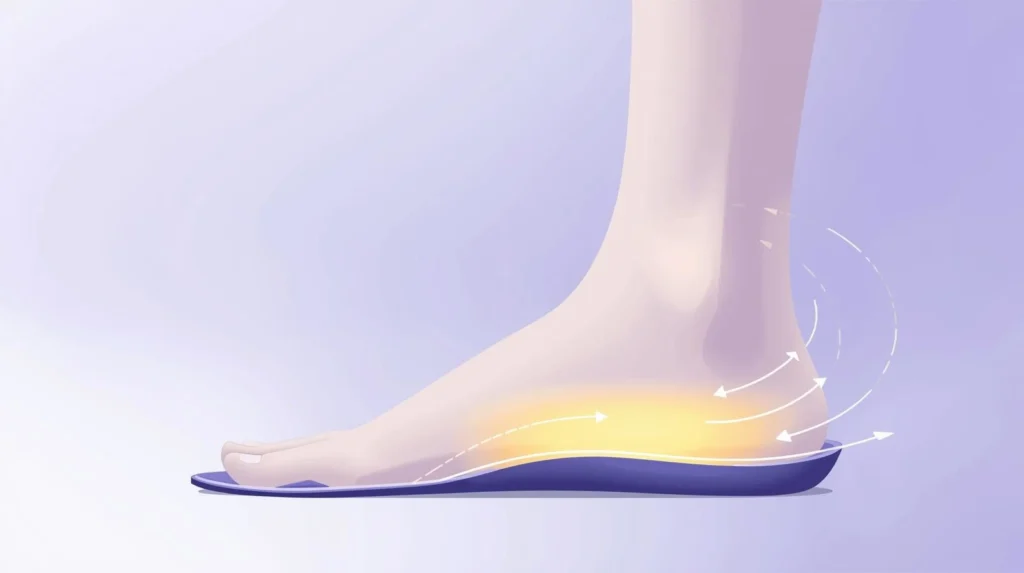
When you move throughout the day, these orthotic supports stabilise your foot and hold it in its natural neutral alignment. This triggers a mechanism known as pressure offloading, where your total body weight is evenly redistributed across the entire surface of your foot. By preventing excessive pressure from concentrating solely on your heel or forefoot, arch supports relieve strain on sensitive tissues during standing and walking.[2]
Common foot and lower-body conditions that benefit from supportive inserts include:
- Plantar Fasciitis: Reduces tension on the inflamed band of tissue under your heel.
- Flat Feet (Fallen Arches): Lifts the midfoot to prevent painful inward rolling.
- High Arches: Fills the gap beneath rigid arches to improve shock absorption.
- Heel Pain & Foot Fatigue: Absorbs ground impact during long hours of walking or standing on hard tiled floors.
By stabilising the natural structure of the foot, these inserts may help allow for improved walking mechanics and decreased stress on muscles and ligaments.
The Benefits of Good Feet Arch Supports
Arch supports provide plenty of benefits beyond simple foot comfort. They can help improve posture, decrease pain and increase mobility.
Improved Foot Alignment
When you walk on flat, unsupportive footwear, such as traditional flat sandals, chappals, or thin-soled loafers, your foot arches can easily collapse under body weight. This causes your foot to roll inward excessively, a condition known as overpronation.
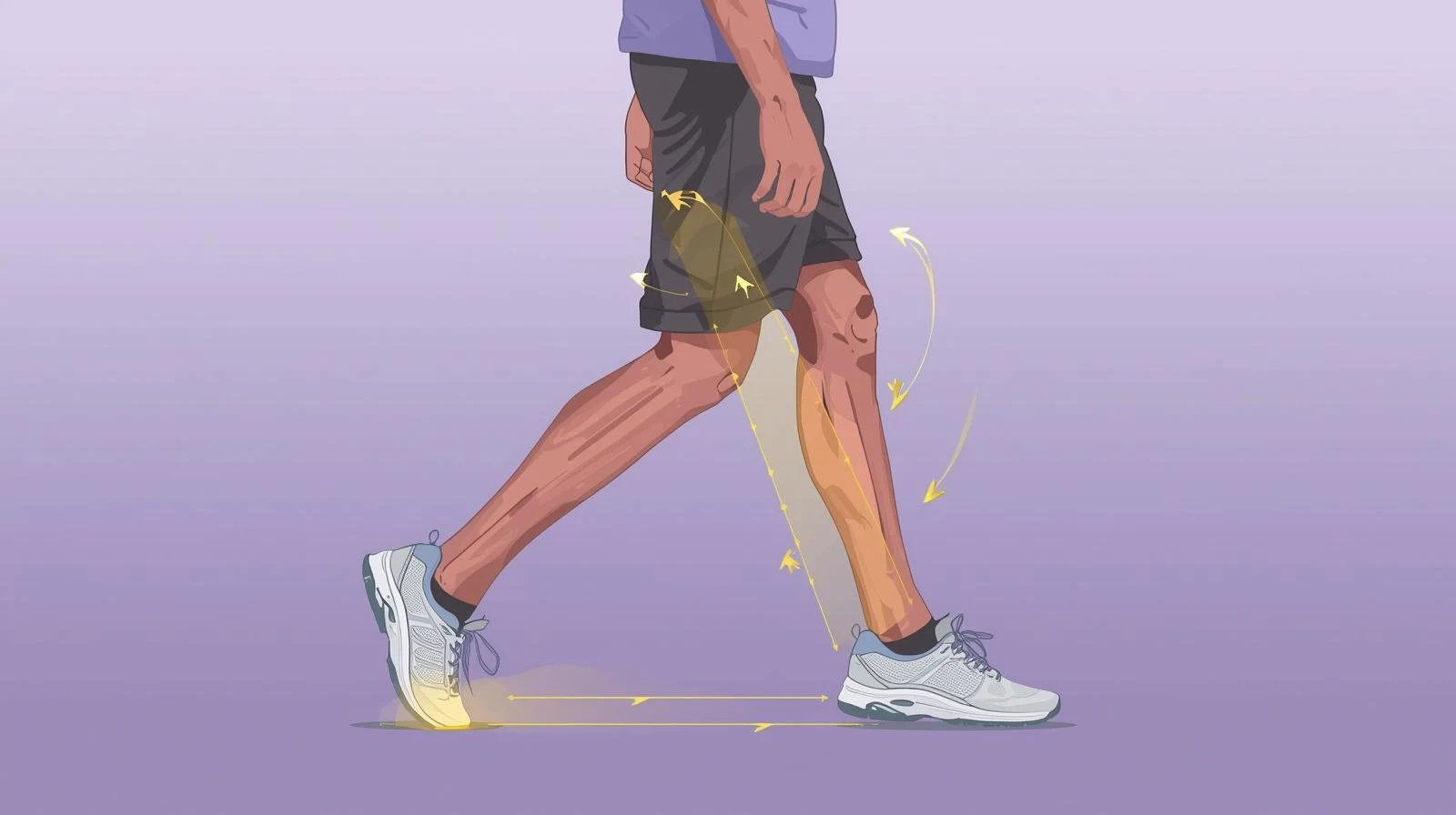
Overpronation twists your ankle inward and creates a harmful chain reaction up your legs. Using supportive orthotic inserts holds your foot in a neutral, balanced position, keeping your ankles, knees, hips, and lower back properly stacked with every step you take
Relief from Foot Pain
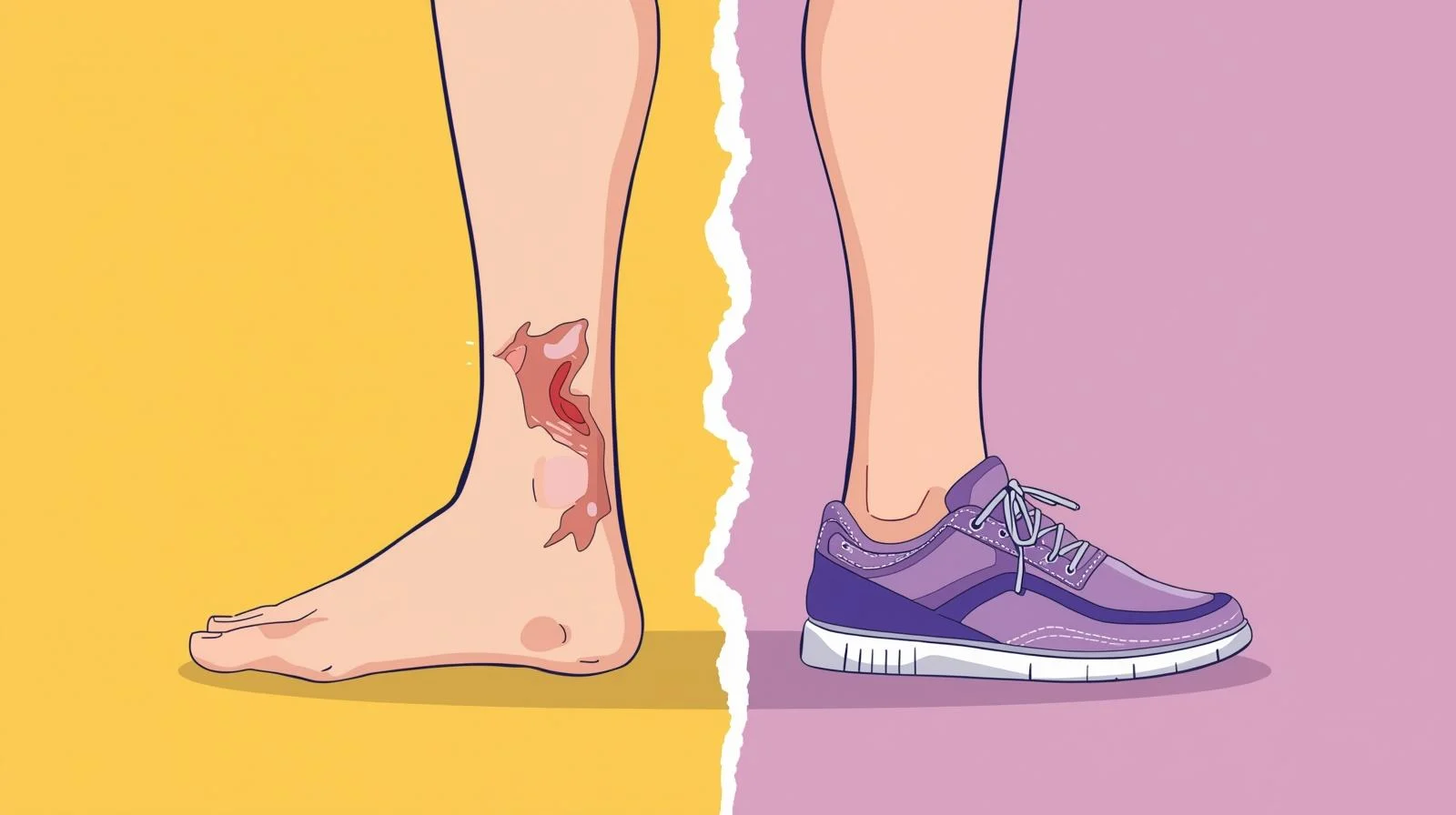
Do you experience a sharp, stabbing pain under your heel when taking your very first steps in the morning? This is a classic symptom of plantar fasciitis, an inflammation of the thick, fibrous band of tissue (plantar fascia) running along the bottom of your foot.
- How Arch Supports Help: By lifting and stabilising the midfoot arch, orthotic inserts directly reduce the pulling tension on the plantar fascia tissue.
- Physio Insight: Physiotherapists and orthopaedic specialists frequently prescribe arch supports as a core, non-invasive component of heel pain recovery protocols.[3]
Better Weight Distribution
When walking barefoot across hard indoor surfaces like marble, granite, or vitrified tiles, your heels and the balls of your feet absorb raw impact. Over time, this concentrated impact leads to focal pain and muscle fatigue.
Good foot arch supports distribute your body weight evenly across the entire surface of your foot. By filling the hollow gap beneath your midfoot, these inserts cushion the heel and forefoot, allowing you to stand, shop, or work comfortably for extended periods without aching soles.
Enhanced Stability and Balance
Unstable, weak arches reduce your foot’s grip and balance, increasing the risk of ankle twists or missteps, especially when walking on uneven outdoor roads or stepping off stairs.
For Seniors & Elderly Family Members: Medical studies highlight that orthotic arch supports improve dynamic balance and sensory feedback in older adults, significantly reducing the risk of slips and falls.[5]
For Active Lifestyles: Arch supports establish a solid biomechanical base, giving you greater stability during daily exercise, brisk walking, or running.
Reduced Stress on Joints
Your feet are the foundation of your entire body. When your foundation is misaligned, higher joints are forced to compensate:
By reinforcing the natural curvature of your foot, arch supports improve overall posture and biomechanics. This takes unnecessary stress off your knee cartilage, hip sockets, and lumbar discs, helping your entire body move efficiently and without pain[2]
Who is Arch Support Suitable for?
While anyone can enjoy greater comfort from proper foot support, certain daily routines and foot structures put extra strain on your arches. If you fall into any of the following four groups, integrating ergonomic good feet arch supports into your footwear can bring dramatic relief and keep you moving comfortably.
People with Flat Feet
Flat feet develop when the arch collapses or is underdeveloped. This condition may result in excessive inward rolling of the feet while walking.
Arch supports also help to lift the arch and provide support for structures, reducing strain on muscles and ligaments.
Individuals with High Arches
When you have high arches, they do not absorb shock well and put increased stress on other areas of the foot.
These arch supports are designed to distribute pressure more evenly throughout your foot and improve shock absorption.
Athletes and Active Individuals
Foot health is extremely important to an athlete as the feet undergo so much stress during training and competition. Activities including running and jumping impose repeated impact forces.
Arch supports stabilise the foot, and they can prevent overuse injuries.
Those who spend hours on their feet
Several professions involve extended periods of standing in place: healthcare professionals, people working in retail and factory workers.
Prolonged standing can result in foot fatigue and discomfort. Additional support and cushioning are found in these diabetes socks through their arch supports to minimise fatigue.
Types of Arch Supports
Not all arch supports are built the same. Depending on your specific foot structure, pain level, and daily routine, different materials offer varying levels of flexibility and control. Understanding how each type functions helps you select the right insert for your everyday footwear.
Rigid Arch Supports
Stiff arch supports: These are made of rigid materials like plastic or carbon fibre. These supports hold it steady and realign if needed.
They are often suggested to those with flat feet or biomechanical issues.
Soft Arch Supports
These have soft arch supports built in for comfort and a little cushioning. They are usually made out of foam or gel.
These are suited for mild support and shock absorption in day-to-day activities.
Custom Orthotics
Custom orthotics are specialised inserts designed to fit the unique contours of an individual’s foot.
They’re typically prescribed by podiatrists and made from foot moulds or digital scans.
Orthotics are like special shoes for the feet, designed to support them, including custom-made orthotics![4]
Which Type of Arch Support Should You Choose?
The right arch support depends on your foot structure, lifestyle, and level of activity.
Determine Your Arch Type
The first step to choosing the right support is knowing if you have flat feet, neutral arches or high arches.
Consider Your Daily Activities
Athletes might need a firmer support for stability, while those looking for all-day comfort may prefer a softer insert.
Check Shoe Compatibility
Arch supports are most effective in shoes that have room and stability.
Choose Quality Materials
Good quality arch supports are durable and hold their shape over time.
A Guide to Correctly Using Arch Supports
To maximise the full therapeutic benefits of arch supports, using them properly is essential.
Key practical tips include:
- Wear them gradually at first so your feet adapt comfortably over time
- Choose supportive footwear featuring removable insoles
- Replace worn-out orthotics regularly
- Combine support inserts with daily stretches
It can take several days or weeks for your body to fully adapt to new orthotic supports, experts say.[2]
Mistakes When Wearing Arch Supports
While arch supports can be crucial, there are common mistakes that can limit their potential.
Choosing the Wrong Size
If they aren’t the proper size or shape, arch supports can be painful rather than helpful.
Wearing Them in Unsupportive Shoes
Arch supports work best in stable shoes with good structure.
Expecting Immediate Results
The body might need some time to adjust to the new functional conditions.
When to See a Doctor for Foot Pain
Although arch supports can alleviate many causes of discomfort in the feet, some cases can warrant a visit to the doctor.
If you experience any of the following, see a healthcare provider:
- Severe or persistent foot pain
- Swelling or inflammation
- Numbness or tingling
- Difficulty walking
A podiatrist can assess your foot mechanics and suggest appropriate treatment or custom orthotics as needed.
Conclusion: Take a Step Toward Pain-Free Daily Mobility
Your foot arches serve as the structural foundation for your entire body. When you stand or walk on hard, unyielding surfaces without adequate support, collapsing arches can trigger a harmful chain reaction, sending stress from sharp heel stiffness (plantar fasciitis) up through your knees, hips, and lower back.
Integrating good feet arch supports into your daily footwear delivers essential structural alignment, even weight redistribution, and ground shock absorption. By holding your foot in its natural neutral position and offloading pressure from sensitive soft tissues, orthotic supports help protect your joints and keep your feet energised throughout the day.
Whether you spend long hours standing at work, enjoy active walking and workouts, or simply want to manage daily foot fatigue, choosing the right arch support is a simple, highly effective step toward protecting your body’s foundation and enjoying effortless movement.
Disclaimer
This article is for educational purposes only and does not replace professional medical evaluation or treatment. While orthotic arch supports help relieve strain from conditions like plantar fasciitis and flat feet, they are not a substitute for medical care in severe injuries. Seek immediate medical attention if you experience severe swelling, sudden inability to bear weight, or numbness and tingling in your feet or legs.
Frequently Asked Questions
Good Feet arch supports are inserts placed inside your shoes that help support your foot in its natural state, to enhance alignment and to take strain off the feet while walking or standing.
Yes, arch supports can make plantar fasciitis symptoms better because they decrease stress on the plantar fascia and support the foot’s natural structure.
Arch supports are useful for flat feet, high arches, anyone with foot pain, athletes and people who stand all day.
Yes, arch supports can improve alignment of the feet and ankles, which may positively impact your overall posture and help relieve stress on the knees, hips, and lower back.
Most people will require a few days to a couple of weeks to become fully accustomed as the feet and muscles learn the new support.
Arch supports function best in supportive shoes with removable insoles and enough room to fit the insert.
Custom orthotics are specifically designed for an individual’s foot mechanism and may offer more exact support, particularly for people with extreme foot conditions.
References
- Mayo Clinic. (2023). Plantar Fasciitis.
https://www.mayoclinic.org/diseases-conditions/plantar-fasciitis - Cleveland Clinic. (2022). Orthotics and Shoe Inserts.
https://my.clevelandclinic.org/health/treatments/orthotics - American Academy of Orthopaedic Surgeons. (2023). Plantar Fasciitis Treatment.
https://orthoinfo.aaos.org/en/diseases–conditions/plantar-fasciitis - American Podiatric Medical Association. (2022). Orthotics Overview.
https://www.apma.org/patients/custom-orthotics - National Institutes of Health. (2019). Orthotics and Balance Improvement Research.
https://www.ncbi.nlm.nih.gov - Yawar, A. (2017). Transverse Contributions to the Longitudinal Stiffness of the Human Foot.
https://arxiv.org/abs/1706.04610