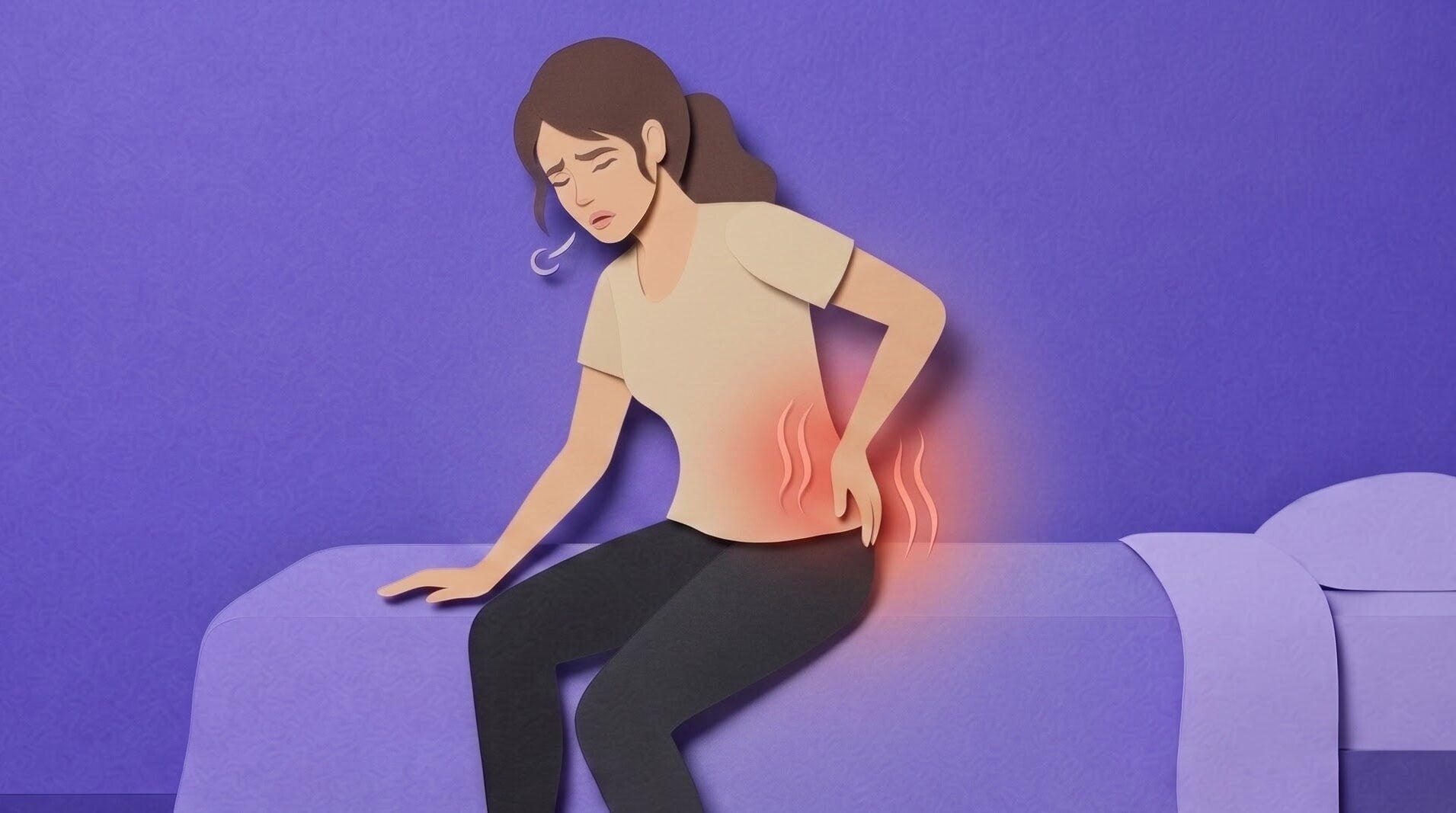
Lower back pain is now the leading cause of disability worldwide, affecting nearly 619 million people, with 80% of individuals experiencing it in their lifetime. In India, long working hours, poor posture, and sedentary routines have caused a sharp rise in chronic pain among professionals and seniors. To tackle this, the adjustable back pain belt has emerged as a practical, innovative solution.
Unlike rigid “one size fits all” models, an adjustable back pain belt offers science-backed flexibility to customise compression and support. This adjustability is crucial in India, where daily strain ranges from 10-hour desk shifts on non-ergonomic WFH chairs to rough two-wheeler and auto commutes over potholes and speed breakers.
Why an Adjustable Back Pain Belt Matters?
The rise in back pain (kamar dard) stems directly from modern Indian routiness, such as from long hours on non-ergonomic chairs to bumpy two-wheeler commutes that stress the spine. However, while the spine naturally maintains alignment and distributes weight, prolonged strain weakens muscles, degenerates spinal discs, and compresses nerves. An adjustable back pain belt offers a practical, non-invasive option for everyday management.
By providing external lumbar support and stabilising the spine, an adjustable back pain belt reduces muscle-straining micro-movements to help manage discomfort and support daily relief.
The Science Behind the Adjustable Back Pain Belt
What sets an adjustable back pain belt apart is its customised compression technology. Using dual elastic straps or Velcro fastenings, users can tailor tightness based on activity, opting for lighter support during desk work or firmer stabilisation during movement.
Biomechanically, this adjustable compression increases intra-abdominal pressure to unload stress from lumbar discs while keeping core muscles active rather than dependent. This balance between flexibility and firm support makes an adjustable back pain belt ideal for long-term daily use.
Why an Adjustable Back Pain Belt Matters for Indian Users?
India’s hot and humid climate makes traditional rigid braces uncomfortable and prone to causing skin irritation. In contrast, an adjustable back pain belt features lightweight, breathable mesh materials that adapt to body contours for comfortable wear throughout the day.
Furthermore, as healthcare expenses rise and awareness around preventive care grows, an adjustable back pain belt serves as a practical, evidence-based tool for self-managed, home-based relief that helps users stay active, productive, and pain-free.
Setting the Stage for Our Guide
This guide explores the science, key features, and practical benefits of choosing an adjustable back pain belt. You will discover how custom compression aids posture correction, pain relief, and daily rehabilitation, along with reviews of trusted brands like Betterhood.
By the end, you’ll learn how integrating an adjustable back pain belt into your routine provides a practical, scientifically backed way to support long-term spinal health and daily productivity.
Need more back pain relief hacks? Check out these related reads:
- https://betterhood.in/learn/is-it-time-to-replace-your-office-lumbar-support/
- https://betterhood.in/learn/how-to-make-joints-strong/
Understanding Back Pain and Its Common Causes

Lower Back Pain Reasons You Should Not Ignore
However, most people think back pain is just about “old age” or “sitting too much. But research points to multiple reasons, including:
- Poor sitting posture during long WFH hours or endless traffic jams.
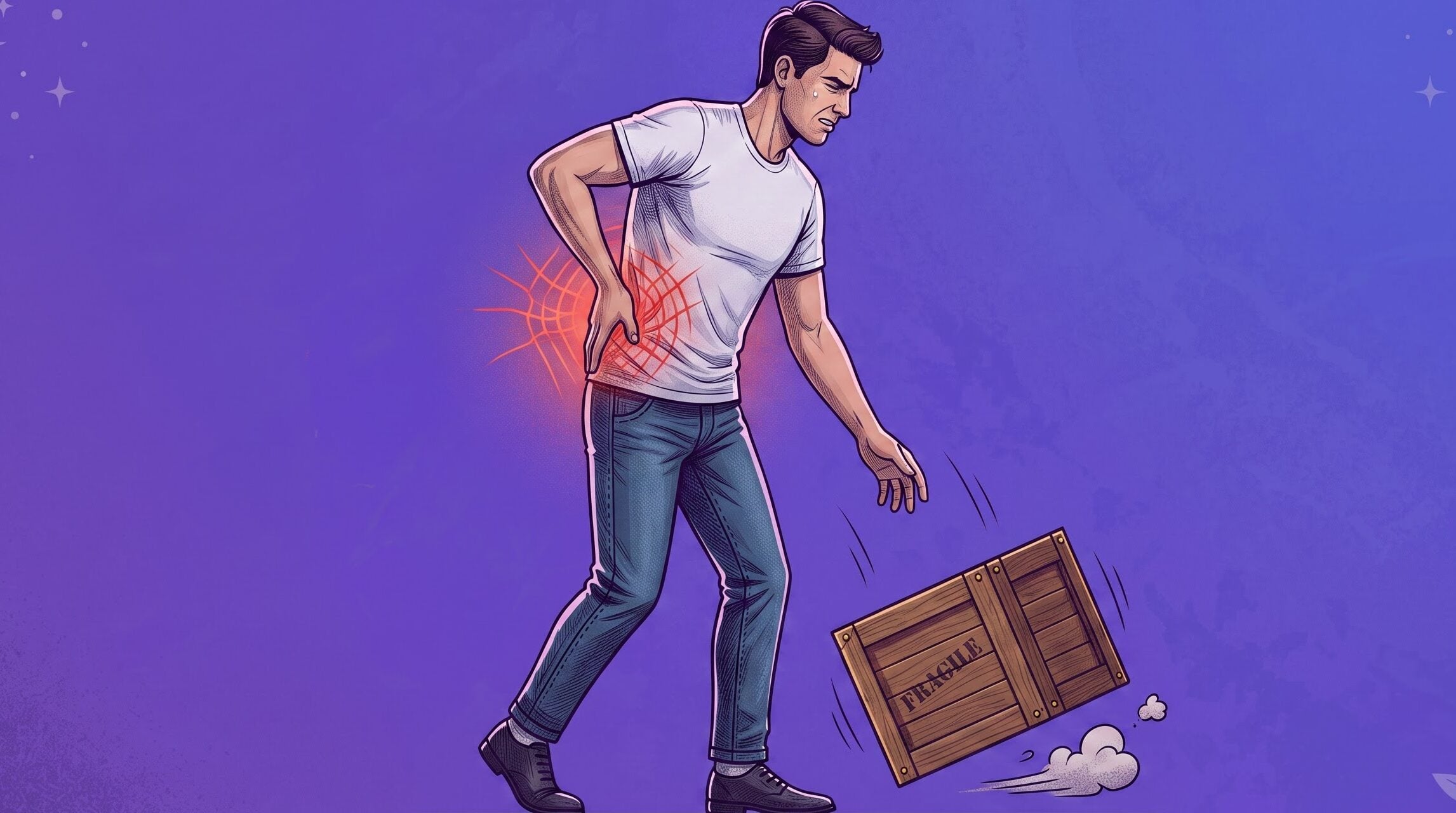
- Sudden physical exertion during daily chores such as lifting filled water buckets, shifting LPG gas cylinders, or hoisting heavy luggage onto upper train berths.
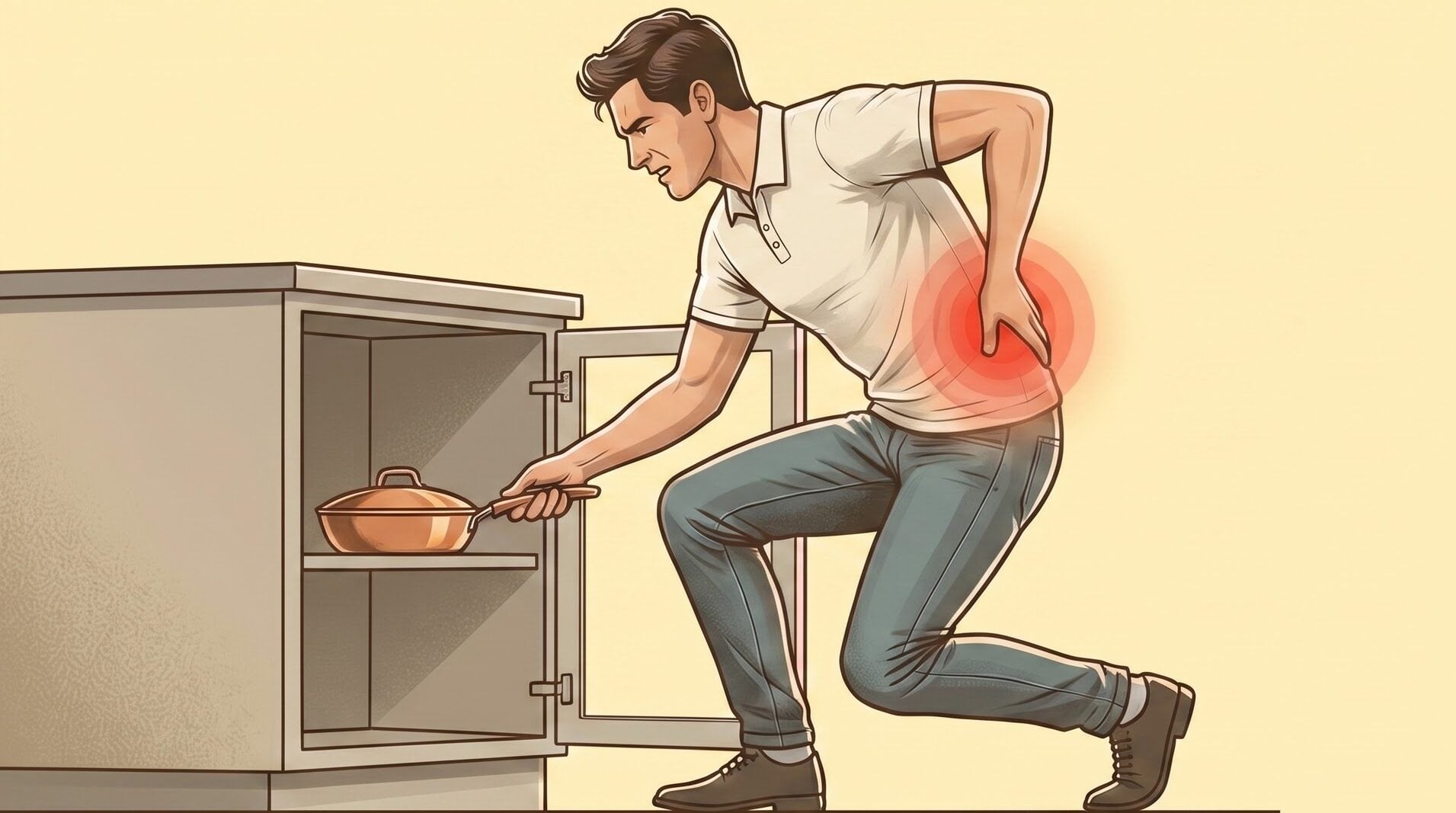
- Extended standing without lumbar support, such as hours spent standing at the kitchen counter preparing meals.
- Compressed or pinched nerves (nas dabna) caused by sudden jerky movements on unpaved roads or sharp speed bumps.
Why Do Office Workers and Heavy Lifters Suffer More?
Specifically, if you spend 8 hours a day at a desk or frequently lift weights or loads, you’re putting consistent pressure on your lumbar region. Over time, this strain causes chronic pain [2].
Back Pain After Sitting or Standing Too Long – The Hidden Trigger
Sitting compresses the discs in your spine, while standing too long stresses your lower back muscles. Both scenarios lead to stiffness and discomfort if you don’t support your back properly.
When to Use an Adjustable Back Pain Belt: Strain vs Chronic Pain
A one-time strain heals in days, but untreated chronic pain becomes a cycle: muscle tension → poor posture → more pain [3]. That’s why timely support, like a back pain belt, is crucial.
If you are unsure whether your symptoms stem from routine muscle fatigue or deeper spinal strain, take an initial back pain assessment to identify your lumbar support needs.
Why an Adjustable Back Pain Belt Matters for Relief?
How Using the Wrong Back Pain Belt Can Worsen Discomfort?
In fact, wearing belts or braces that don’t fit well can restrict blood flow or put uneven pressure on your spine. Instead of healing, they worsen discomfort.
Benefits of Using an Adjustable Back Pain Belt Daily
- Delivers Additional Support: Using a back support belt offers crucial reinforcement for the lower back, easing strain on the spine and helping to relieve discomfort associated with spinal disc conditions.
- Promotes Better Posture: A back support belt encourages proper alignment by gently pulling the shoulders back and maintaining the spine’s neutral position. This improved posture can decrease disc pressure and help reduce pain.
- Boosts Lower Back Stability: Furthermore, by stabilising the lumbar region, a back support belt lowers the risk of injury and minimises further pain, especially during movement or physical activity.
- Facilitates Healing and Speeds Recovery: Supporting the spine during recovery from disc injuries, a back support belt can aid the healing process and shorten overall recovery time.
- Suitable for Everyday Use: Lightweight and comfortable, these belts are designed for all-day wear, making them ideal for use during routine activities like sitting, standing, or walking.
Difference Between Orthopaedic Back Pain Belts and Regular Waist Belts
A regular belt holds your pants. An orthopaedic belt for back pain holds your spine. Orthopaedic belts are designed with lumbar curves, breathable materials, and adjustable compression that actually work on pain relief.
What are the features of the best adjustable back pain belt?
Ideal Shape and Design for an Adjustable Back Pain Belt
Look for a belt with a wide lumbar pad that supports the natural curve of your spine.
Adjustable Straps for a Personalised Fit
One size doesn’t fit all. When choosing an adjustable back posture corrector belt, look for flexible straps that can be tightened or loosened to provide a customised fit for both women and men. This allows you to adjust the level of compression depending on the activity, whether you’re sitting at work, walking, or lifting weights, without restricting movement.
Breathable, Lightweight, and Skin-Friendly Materials
Gone are the days of thick, itchy belts. Modern belts use mesh and breathable fabrics to prevent sweating and rashes.
Support for Posture Correction and Pain Relief
By gently pulling your lower back into alignment, belts train your body to maintain correct posture even when you’re not wearing them.
How an Adjustable Back Pain Belt Helps With Relief and Recovery ?
Supporting Spine Alignment for Pain-Free Movement
By supporting the natural curve of your spine during long hours at a desk, a posture corrector belt prevents slouching and helps relieve lower back pain before muscle fatigue sets in.
Reducing Pressure on Muscles and Nerves
Compression from an adjustable back pain belt distributes body weight evenly, reducing pressure on painful nerves [4].
Best Ways to Use a Back Belt for Long Sitting or Standing
- Wear it at work if your chair lacks lumbar support.
- Use during long drives.
- Helpful for people who stand for hours (teachers, retail workers, chefs).
Orthopaedic Benefits – Healing vs. Prevention
Furthermore, orthopaedic belts don’t just relieve pain; they also prevent future injuries by stabilising weak muscles and training your spine into better posture [4].
Natural Ways to Relieve Back Pain Alongside a Belt
How to Relieve Lower Back Pain Fast at Home?
- Apply warm compresses.
- Use foam rollers for stretching.
- Alternate sitting and standing during work hours.
- Use targeted pain relief spray.
Best Exercises and Stretches for Back Pain Relief
- Cat-cow stretch (Marjaryasana-Bitilasana)
Specifically, cat-cow is an effective exercise for mobilising your spine and gently stretching your shoulders, neck, and chest. It’s especially useful for relieving stiffness and promoting flexibility throughout your back.
How to perform Cat-Cow:
- Start on your hands and knees in a tabletop position.
- As you inhale, press into your hands and feet, lift your head upward, and let your belly drop—expanding your chest and filling your lungs.
- On the exhale, tuck your chin toward your chest and round your back, arching your spine toward the ceiling.
- Continue alternating these movements, synchronising each transition with your breath.
- Repeat this flow for 1 to 2 minutes.
Core-Strengthening Exercise for Lower Back Relief
- Pelvic tilts
Pelvic tilts are effective for strengthening your abdominal muscles, which in turn can ease lower back pain and tightness. These exercises also work your glutes and hamstrings, providing added support and flexibility to your core and lower body.
How to perform a pelvic tilt:
- Start by lying on your back with your knees bent and your feet flat on the floor.
- Tighten your abdominal muscles and press your lower back gently against the floor.
- Maintain a natural breathing rhythm, holding this position for up to 10 seconds.
- Relax and take a few deep breaths before repeating the movement.
- Aim for 1 to 3 sets, performing 3 to 5 repetitions in each set.
Restorative Stretches to Relieve Spinal Tension
- Child’s pose (Balasana)
This classic yoga posture delivers a gentle stretch for your gluteus maximus, latissimus dorsi (lats), and the spinal extensor muscles. Practising Child’s Pose can ease discomfort and release tension throughout your spine, as well as your neck and shoulders. Its calming effect also helps loosen tightness in the lower back, supporting overall flexibility along your spine.
How to perform Child’s Pose:
- Begin on your hands and knees, then slowly lower your hips back until they rest on your heels.
- As you hinge at your hips, fold your torso forward and walk your hands out in front of you.
- Allow your stomach to settle onto your thighs for support.
- Reach your arms out ahead or place them alongside your body, keeping your palms facing downward.
- Concentrate on deep, steady breathing and allow any tight or tense areas to relax.
- Stay in this position for up to one minute.
You can incorporate Child’s Pose multiple times in your stretching routine, including between other stretches, for continued relief and relaxation.
Research confirms that exercise therapy reduces chronic back pain significantly [5].
Yoga Practices and Lifestyle Adjustments for Lower Back Pain
Practicing yoga (like cobra pose or downward dog), maintaining proper sitting posture, and avoiding heavy lifting without support can improve long-term back health.
Diet and Hydration Tips for Stronger Spinal Health
Overall, calcium, vitamin D, magnesium, and staying hydrated all contribute to stronger bones and spinal discs.
Expert Tips for Choosing the Best Back Pain Belt
Key Features to Look for in an Adjustable Back Pain Belt
- Wide lumbar support.
- Easy adjustability.
- Breathable material.
- Lightweight yet firm design.
Finding the Right Belt Size and Fit for Comfort
Therefore, measure your waist and check size charts rather than guessing. A loose belt won’t support, and a tight belt will cut off circulation.
How to Test a Belt for Long-Term Support?
An adjustable posture corrector designed for women and men allows you to alter the level of tightness depending on your activity, offering lighter support while sitting and firmer stabilization when walking or sitting.
Reviews, Recommendations, and Trusted Brands
Top-reviewed orthopedic belts are available from brands like Betterhood, Tynor and Vissco. Do your research, but always prioritize comfort over flashy marketing.
Final Thoughts
Back pain affects millions, but an adjustable back pain belt offers a practical, affordable way to manage discomfort and support long-term spinal health. Unlike rigid braces, its custom fit adapts to your body during desk work, recovery, or daily chores.
As a result, when combined with core exercises and ergonomic habits, lumbar stabilization eases strain, improves posture, and restores mobility especially in India’s warm climate where breathable design matters most.
Take the First Step Toward Pain-Free Living: Experience customizable relief and posture support with the Betterhood Adjustable Lumbar Support Belt.
Looking for more tips? Don’t miss these related guides.
- https://betterhood.in/learn/best-ayurvedic-oil-for-sciatica-pain/
- https://betterhood.in/learn/the-comfort-trap-shocking-link-between-cushioned-soles-and-back-pain/
Frequently Asked Questions:
1. What is the best belt for back pain after sitting long hours?
Orthopedic lumbar belts with adjustable compression are best.
2. Can wearing a belt really heal back pain long-term?
It supports healing but should be combined with exercise, posture correction, and lifestyle changes.
3. How many hours a day should you wear a back pain belt?
Experts suggest 2–4 hours daily, not 24/7, to prevent muscle dependency.
4. Can you use a back belt during exercise or gym workouts?
Yes, especially during weightlifting or activities that strain your back.
5. Is an adjustable back belt safe after surgery or injury?
Yes. A high-quality adjustable back posture corrector belt features customizable elastic fastenings so both women and men can adjust the fit to prevent slouching and relieve back pain during daily tasks.
References:
- Balagué, F., Mannion, A. F., Pellisé, F., & Cedraschi, C. (2012). Non-specific low back pain. The Lancet, 379(9814), 482–491. https://doi.org/10.1016/S0140-6736(11)60610-7
- Hoy, D., Brooks, P., Blyth, F., & Buchbinder, R. (2010). The epidemiology of low back pain. Best Practice & Research Clinical Rheumatology, 24(6), 769–781. https://doi.org/10.1016/j.berh.2010.10.002
- Airaksinen, O., Brox, J. I., Cedraschi, C., Hildebrandt, J., Klaber-Moffett, J., Kovacs, F., … & Zanoli, G. (2006). Chapter 4: European guidelines for the management of chronic nonspecific low back pain. European Spine Journal, 15(S2), S192–S300. https://doi.org/10.1007/s00586-006-1072-1
- Lisi, A. J., & Holmes, J. (2006). Effects of lumbar belts on postural control and proprioception. Journal of Manipulative and Physiological Therapeutics, 29(6), 412–418. https://doi.org/10.1016/j.jmpt.2006.06.022
- Hayden, J. A., van Tulder, M. W., Malmivaara, A., & Koes, B. W. (2005). Exercise therapy for treatment of non-specific low back pain. Cochrane Database of Systematic Reviews, 2005(3). https://doi.org/10.1002/14651858.CD000335.pub2
Medical Disclaimer: The information provided in this article is for educational and informational purposes only and is not intended as medical advice, diagnosis, or treatment. Always seek the advice of a qualified healthcare professional regarding any medical condition or before starting any new health routine or medication. Never disregard professional medical advice or delay seeking it because of something you have read on this website.