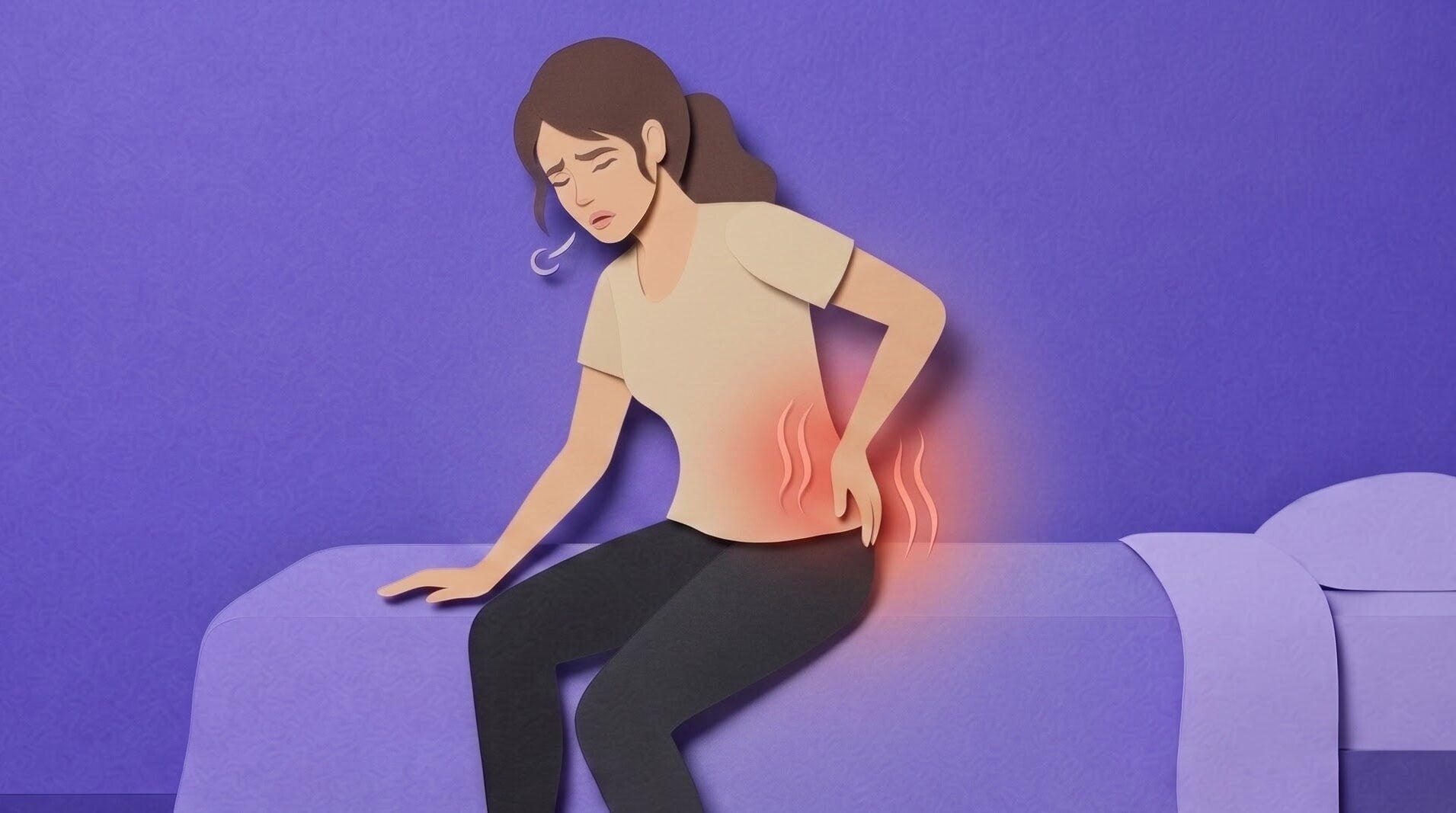
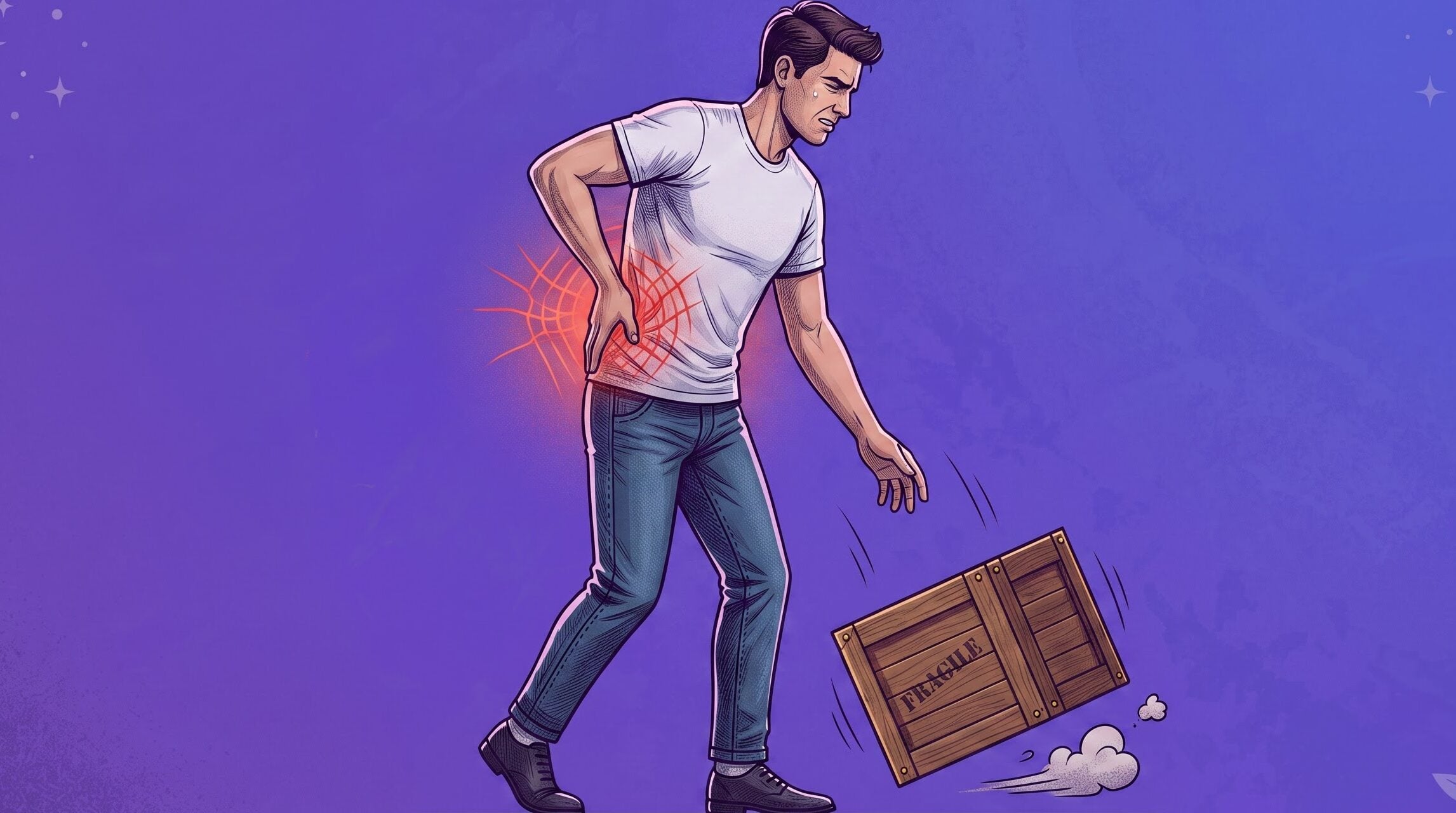
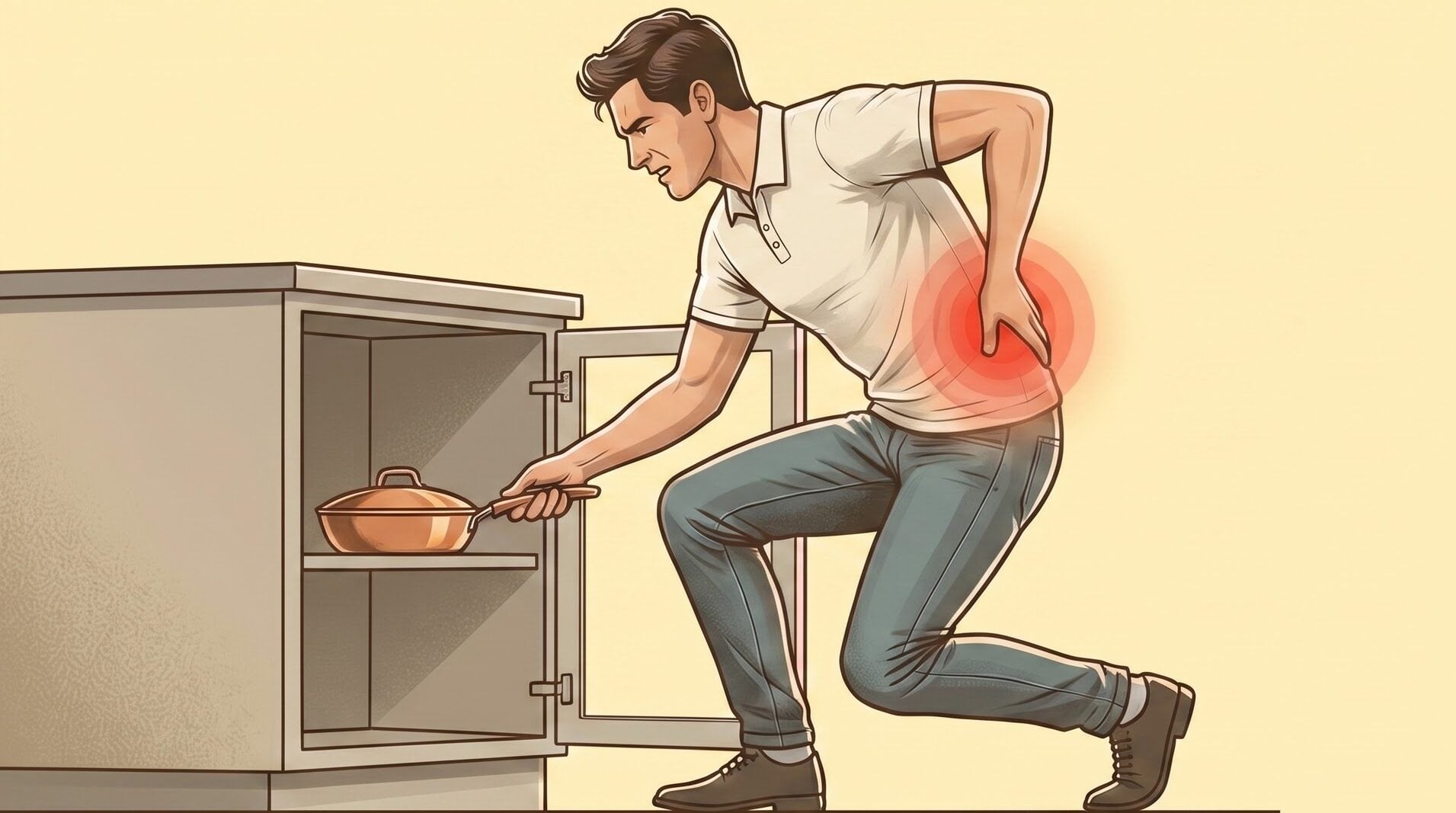
If you wake up with a stiff lower back after sleeping on a thin cotton mattress, or feel an ache after riding your scooter over city speed breakers, you are not alone. Understanding memory foam benefits can help you decide if this material can relieve your discomfort by cradling your body’s natural curves and keeping your spine aligned overnight. However, getting lasting relief depends on choosing the right firmness for your body weight and sleep style. In this guide, you will learn how memory foam works, its key advantages and drawbacks, and how to choose the right support.
What Is Memory Foam?
Memory foam, technically called viscoelastic polyurethane foam, is a dense material that adapts directly to your body’s heat and weight. When you lie down, the foam softens under heavier areas like your shoulders and hips while remaining firm where you need extra lift. This contoured support distributes your body weight evenly across the bed, taking sharp pressure off your spine, lower back, and joints[1].
History and Development
Memory foam was originally created by NASA in the 1970s to cushion airplane seats and protect astronauts from extreme pressure during takeoff. By the 1990s, medical professionals recognized its ability to relieve physical stress, leading to its use in hospital beds, wheelchair pads, and orthopedic supports. Today, it is widely used in consumer mattresses and pillows to improve sleep quality and reduce daily body aches.
Types of Memory Foam
- Traditional Memory Foam: Provides firm support and deep contouring to relieve pressure, though standard varieties can trap body heat.
- Gel-Infused Memory Foam: Blends cooling gel particles into the foam to help regulate temperature, making it ideal for sleepers who tend to feel hot overnight.
- Hybrid Memory Foam: Combines a memory foam top layer with pocket springs underneath for extra bounce, edge support, and improved airflow.
- Advanced Memory Foam: Uses plant-based, copper-infused, or open-cell structures that offer enhanced breathability, natural responsiveness, or antimicrobial protection
Memory foam helps relieve back pain primarily by keeping your spine in its natural, neutral position throughout the night. As you lie down, the foam molds to your body’s unique shape, distributing your weight evenly across the key regions of your spine, your cervical (neck), thoracic (upper and mid-back), and lumbar (lower back) areas. By preventing heavy areas like your hips from sinking too deep, memory foam reduces stress on your spinal discs, muscles, and ligaments so you wake up with less stiffness.
How Memory Foam Supports the Back
When you sit on unsupportive plastic chairs during work-from-home hours or lean against thin pillows while working on a laptop, your back muscles remain tense all day. Memory foam gives those overworked muscles a chance to fully relax through three key mechanisms:
Preserves Your Natural Spinal Curve
Your spine is naturally S-shaped. When you sleep on a flat, compressed cotton mattress or rigid coir bed, a hollow gap forms under your lower back (lumbar arch), forcing your spinal muscles to hold themselves up all night.
- How it works: Memory foam adapts directly to your body’s heat and weight, filling that empty lumbar space and maintaining proper hip alignment.
Takes Pressure Off Sore Joints
Standard mattresses push back heavily against the widest parts of your body, specifically your hips, shoulders, and lower back.
How it works: Memory foam softens under high pressure points, distributing your body weight evenly across the entire surface.
Real-life benefit: Instead of waking up with sharp hip stiffness or shoulder tightness, your joints are cushioned. This uninterrupted blood flow helps prevent nighttime inflammation for people managing chronic lower back pain or joint discomfort
Stops Motion Transfer for Uninterrupted Sleep
In many Indian homes, sharing a bed with a partner, toddler, or pet is standard daily life.
How it works: Traditional innerspring or cotton beds create a “bounce effect” across the entire surface whenever someone shifts position. Memory foam absorbs movement locally, ensuring one side remains completely still even if someone tosses and turns on the other side.
Real-life benefit: Uninterrupted deep sleep allows your spinal muscles to fully disengage, rebuild tissue, and recover overnight
Benefits of Memory Foam for Back Pain
Memory foam is widely recommended for back pain sufferers because of its unique combination of contouring support, pressure relief, and spinal alignment. Its benefits extend beyond simple comfort and can have measurable effects on pain reduction, sleep quality, and overall spinal health. Below is a detailed breakdown of these benefits.
Reduces Morning Stiffness and Back Pain
Waking up with a tight lower back usually means your mattress is creating high pressure on your joints while you sleep. Memory foam prevents this morning tightness by adapting directly to your body’s shape:
- Fills Lumbar Gaps: Molds into your lower back arch to keep your spine neutral so your back muscles can fully relax.
- Cushions Pressure Points: Spreads your weight evenly across the bed, taking sharp pressure off your lower back discs, shoulders, and hips.
- Reduces Morning Stiffness: Research shows that switching to a medium-firm memory foam surface significantly cuts morning stiffness compared to traditional spring or hard coir beds.

Promotes Muscle Relaxation and Recovery
- By supporting the body evenly, memory foam allows muscles to relax fully without compensating for sagging or uneven surfaces.
- Relaxed muscles reduce tension in the lumbar region, which is crucial for alleviating back pain.
- Proper support also helps with the healing of minor strains, sprains, or post-surgical recovery, allowing tissues to repair efficiently.
Pairing Memory Foam with Ergonomic Accessories
Memory foam mattresses work even better when combined with targeted sleep supports for conditions like sciatica or scoliosis:
- For Side Sleepers: Place a firm pillow between your knees to keep your hips and lower back (lumbar spine) evenly aligned.
- For Back Sleepers: Tuck a thin pillow under your knees to reduce lower back pressure.
- Targeted Ergonomics: Combine your mattress with a memory foam cervical neck pillow or lumbar backrest cushion for complete spine support.
Supports Post-Surgery Recovery and Rehabilitation
Indian orthopaedic specialists (orthos) and physiotherapists frequently recommend memory foam during post-surgery rehabilitation:
- Even, Pressure-Free Cushioning: Softly supports your spine to reduce stress when recovering from lumbar surgery, herniated discs (slip disc), or severe muscle spasms.
- Prevents Re-Injury: Holds your back in a safe, neutral position to prevent sudden nocturnal movements from aggravating healing spinal tissues.[4]
Reduces Sleep Anxiety and Boosts Mood
Living with chronic back discomfort often causes “sleep anxiety”, the constant worry that turning over will trigger a sharp pain flare-up.
- Rebuilds Sleep Confidence: Proper contouring cradles your body so you can relax into natural sleep postures without conscious effort.
- Creates a Positive Healing Loop: Uninterrupted, restorative sleep improves daily mood, mental focus, and energy levels while lowering stress-related muscle tension
When Memory Foam Can Make Back Pain Worse?
While many people ask “is memory foam good for back pain?”, the answer depends on correct selection and usage. In some situations, memory foam can actually worsen discomfort:
- Too soft memory foam mattress: Excessively soft foam can cause the hips to sink too deeply, disrupting spinal alignment and increasing lumbar strain, especially problematic for back sleepers.
- Wrong firmness for body weight: Heavier individuals may compress low-density foam too much, leading to sagging and poor support, even with a medium firm memory foam for back issues.
- Heat sensitivity: Heat retention can cause restlessness, leading to frequent position changes and muscle tension that aggravates back pain.
- Old or worn-out foam: Over time, memory foam may develop permanent indentations, reducing support and increasing pressure on the lower back.
- Stomach sleeping: Memory foam combined with stomach sleeping can exaggerate spinal curvature, worsening lower back pain.
In these cases, reassessing mattress firmness, foam density, or sleep posture is essential to avoid worsening symptoms.
Memory Foam vs Orthopedic Spring vs Hybrid for Back Pain
Choosing the right mattress type plays a major role in achieving long-term relief for back pain. Here’s how memory foam compares with other popular options:
Memory Foam Mattress
- Best for: Pressure relief, motion isolation, and spinal contouring
- Back pain benefit: Excellent for chronic pain when medium-firm and high-density
- Limitations: Heat retention and potential sagging if low quality
Orthopedic Spring Mattress
- Best for: Firm support and strong spinal stability
- Back pain benefit: Good for people who prefer a firmer surface or need strong lumbar support
- Limitations: Less pressure relief, more motion transfer
Hybrid Mattress (Foam + Springs)
- Best for: Balanced support and comfort
- Back pain benefit: Combines contouring of foam with airflow and firmness of springs
- Limitations: Higher cost compared to standard options
For seniors or individuals managing chronic conditions, pairing the right mattress with daily movement and guided activities can further enhance recovery and comfort.
Potential Drawbacks and Considerations
While memory foam has many benefits, there are considerations to keep in mind.
Heat Retention
Memory foam can trap heat, making it uncomfortable for some sleepers. Gel-infused or ventilated foams help reduce heat accumulation. Individuals living in warm climates may prefer these variants to prevent night sweats and discomfort.
Initial Odor (Off-Gassing)
Memory foam may emit a chemical odor upon unpacking due to off-gassing of volatile organic compounds (VOCs). This typically dissipates within a few days if the mattress is aired out in a well-ventilated room.
Firmness Preference
The correct firmness is critical. Too soft a mattress can cause sagging, leading to misalignment, while too firm a mattress may create pressure points, worsening pain. Medium-firm mattresses are generally recommended for back pain sufferers.
Cost and Durability
High-quality memory foam mattresses can be expensive. Lower-cost options may degrade faster and lose support, potentially exacerbating back problems. Investing in a durable, high-density mattress is crucial for long-term benefits.
Tips for Choosing and Using Memory Foam
Selecting the right memory foam mattress and using it correctly maximizes benefits for back pain relief.
Selecting the Right Mattress or Pillow
- Medium-firm is generally optimal for spinal alignment.
- Gel-infused or ventilated foam reduces heat retention.
- Consider mattress thickness based on body weight and sleeping position.
- Review the warranty, return policy, and trial period for risk-free evaluation [5].
Proper Sleeping Positions
- Back sleepers: Pillow under knees to reduce lumbar strain.
- Side sleepers: Pillow between knees to maintain hip and spinal alignment.
- Avoid stomach sleeping: Can increase lumbar lordosis and back strain.
- Adjustments may be required for specific medical conditions.
Maintenance and Longevity
- Rotate the mattress every 3–6 months to prevent uneven wear.
- Use mattress protectors to prevent moisture and dust accumulation.
- Monitor for sagging or indentations and replace as necessary to maintain support
Who Should Use Memory Foam for Back Pain ?
Memory foam can be a beneficial orthopedic sleep surface for people experiencing night time back pain, chronic back discomfort, or sleep related pain. It is especially useful for individuals with poor sleep posture support, spinal pressure relief needs, or those recovering from spinal injuries. People with desk jobs, seniors, and those with lumbar pain solution requirements may also benefit from memory foam due to its ability to promote lower spine alignment and reduce stress on the joints.
Best Memory Foam Firmness by Body Type
Choosing the right firmness is crucial in any mattress firmness guide. Lightweight individuals often benefit from softer foam that contours easily, while average-weight sleepers typically find medium-firm memory foam ideal for balanced support and comfort. Heavier individuals may require firm memory foam to prevent sinking and ensure proper back support mattress functionality.
Memory Foam for Different Sleep Positions
Sleep posture support plays a major role in back pain management. Back sleepers benefit from medium-firm foam that supports lumbar curvature. Side sleepers need softer contouring to relieve spinal pressure relief in hips and shoulders. Stomach sleepers should avoid overly soft foam, as it can increase strain on the lower spine alignment and worsen lumbar discomfort.
How Long It Takes to Adjust to Memory Foam ?
Most people require 2–4 weeks to adapt to memory foam. During this adjustment period, muscles and joints gradually adapt to improved spinal pressure relief and lower spine alignment. Individuals with chronic back discomfort may take longer, but consistent use often improves sleep related pain over time.
Memory Foam Mattress Density Explained
Density determines how well memory foam functions as an orthopedic sleep surface. High-density foam provides better durability and spinal support, while low-density foam may wear out quickly and fail to provide consistent back support mattress benefits. Medium to high-density foam is recommended for long-term lumbar pain solution needs.
Role of Mattress Age in Back Pain
Old mattresses lose structural integrity and fail to provide adequate spinal pressure relief. Over time, sagging foam can disrupt lower spine alignment and contribute to sleep related pain. Replacing aging mattresses is essential for maintaining proper sleep posture support and preventing chronic back discomfort.
When to Consult a Doctor About Sleep Surfaces ?
If night time back pain persists despite changing to an orthopedic sleep surface, it is important to consult a healthcare professional. Severe lumbar pain, numbness, or worsening symptoms may indicate underlying spinal conditions that require medical evaluation beyond mattress changes.
Conclusion
Memory foam mattresses and pillows can provide significant relief for back pain by promoting spinal alignment, pressure relief, and better sleep quality. However, choosing the correct firmness, type, and complementary sleeping aids is essential for optimal results. Individual preferences, body type, and specific back conditions must be considered. Always consult a healthcare provider for chronic or severe back pain before making significant changes to sleep surfaces.
Looking for more health and wellness solutions ? Don’t miss these related guides:-
- Posture and ergonomics tips for pain relief prevent your muscles and joints from the wear and tear
- Is poor posture aging you faster
Disclaimer
The content on Betterhood Learn is provided for informational and educational purposes only and is not a substitute for professional medical advice, diagnosis, or treatment. Always consult a qualified general physician, orthopaedic specialist, or physiotherapist regarding any medical condition, back pain, or specific sleep posture solution. Never disregard professional medical advice or delay seeking treatment because of something you have read in this article.
FAQ
Can memory foam help with sciatica pain?
Yes, memory foam can help reduce sciatica pain by providing spinal pressure relief and proper lower spine alignment, reducing nerve compression during sleep.
Is memory foam suitable for people with scoliosis?
Memory foam may benefit people with scoliosis by supporting spinal curves and improving sleep posture support, but firmness should be selected based on individual needs and medical advice.
Does mattress thickness affect back pain relief?
Yes, thicker mattresses often provide better support and pressure distribution, which can enhance back support mattress effectiveness and reduce chronic back discomfort.
Can memory foam mattresses cause hip pain?
If the mattress is too firm or too soft, it can cause pressure points around the hips. Choosing the right firmness is important for balanced spinal pressure relief.
Are memory foam pillows necessary with a foam mattress?
Memory foam pillows can improve sleep posture support, especially for the neck and cervical spine, complementing mattress support for overall spinal alignment.
References
- National Sleep Foundation. (2021). Mattress types and back pain. Retrieved from https://www.sleepfoundation.org
- American Chiropractic Association. (2023). Choosing the right mattress for back health. Retrieved from https://www.acatoday.org
- Radwan, A., Fess, P., James, D., Murphy, J., Myers, J., & Rooney, M. (2021). What type of mattress should be chosen to avoid back pain and improve sleep quality? Review of the literature. Journal of Orthopaedics and Traumatology, 22(1), 1–8. https://jorthoptraumatol.springeropen.com/
- Kim, H. J., Lee, D. H., Kim, J. Y., Kim, K. H., & Park, J. Y. (2022). The influence of mattress stiffness on spinal curvature and intervertebral disc stress: A finite element study. Journal of Orthopaedic Surgery and Research, 17(1), 350. https://pmc.ncbi.nlm.nih.gov/articles/PMC9311775
- Sarwar, A., Ashfaq, A., & Khalid, N. (2019). Effects of mattress firmness and usage duration on low back pain: A hospital-based study from Lahore. Pakistan Orthopaedic Journal, 11(2), 47–52. https://pdfs.semanticscholar.org/d676/039000678ca9ec0976e1743b0784d30468b7.pdf