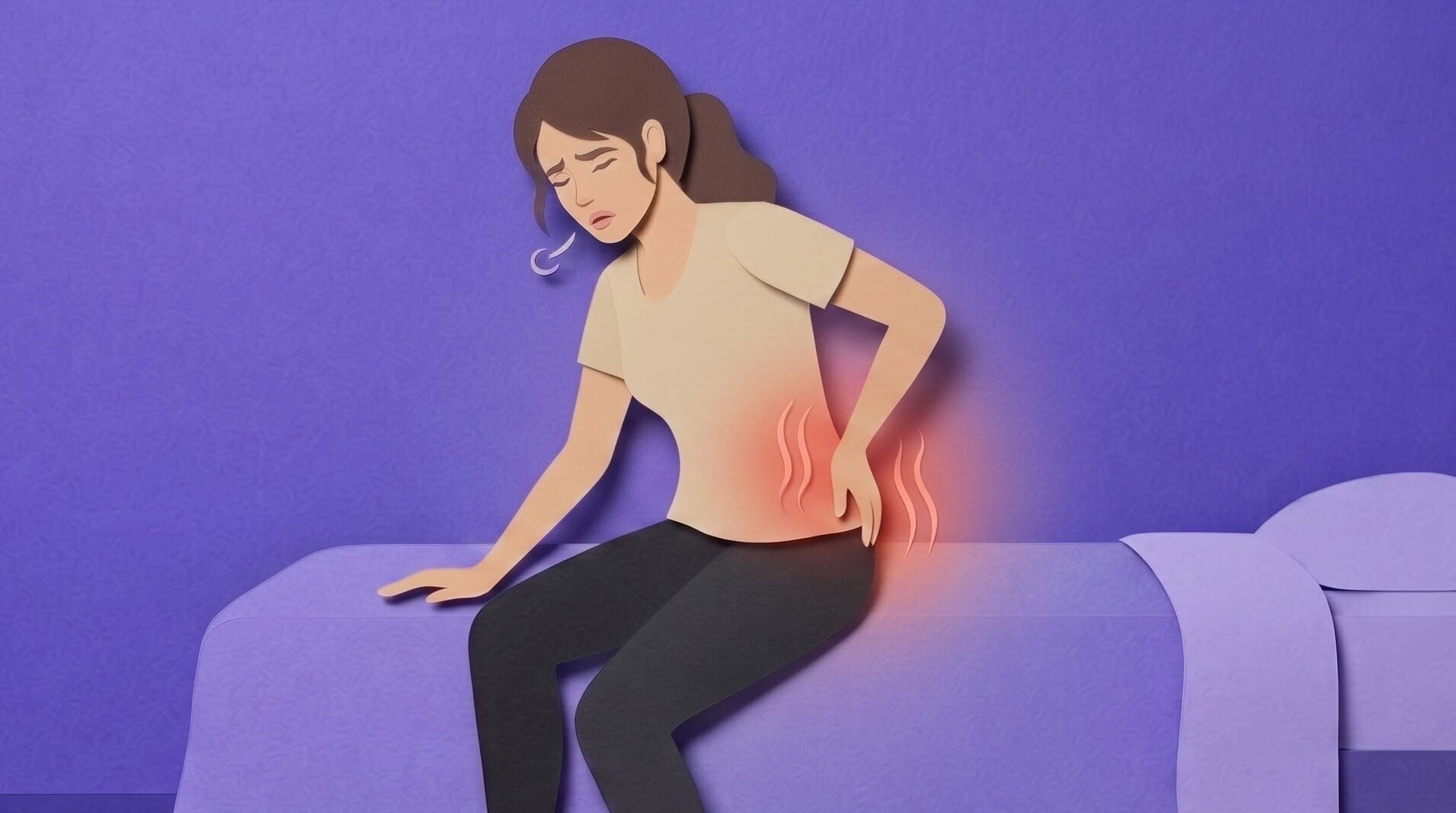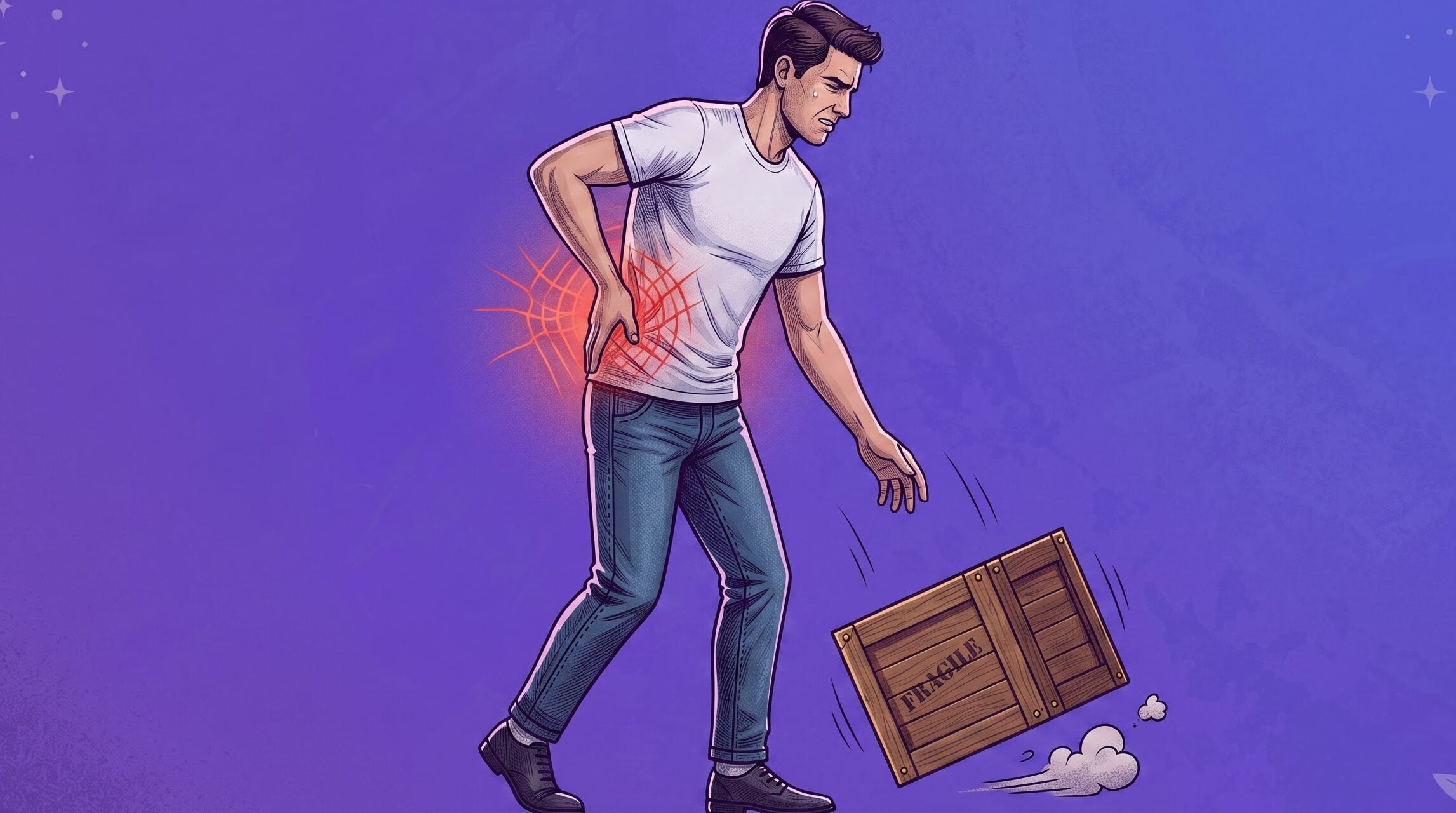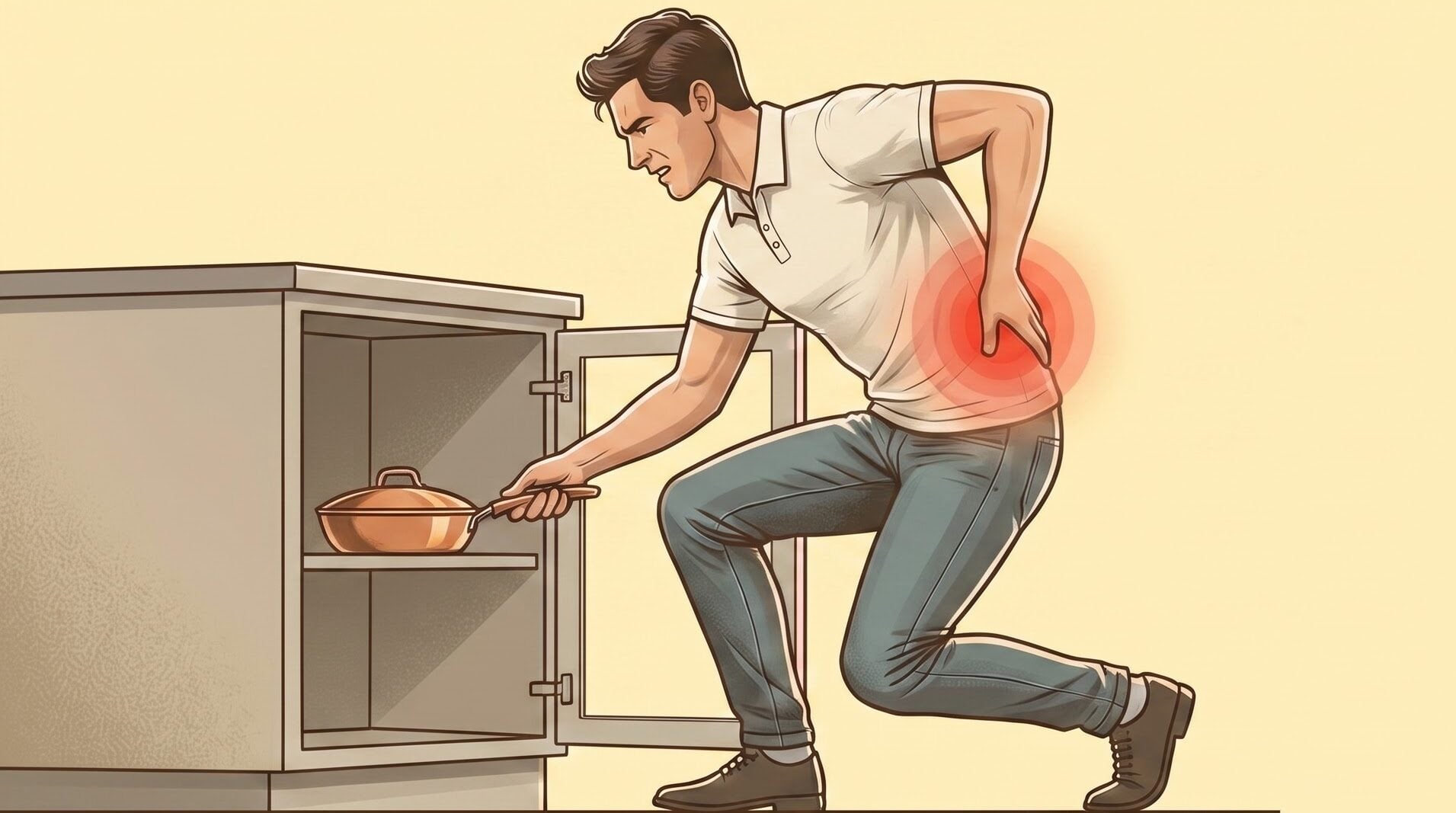




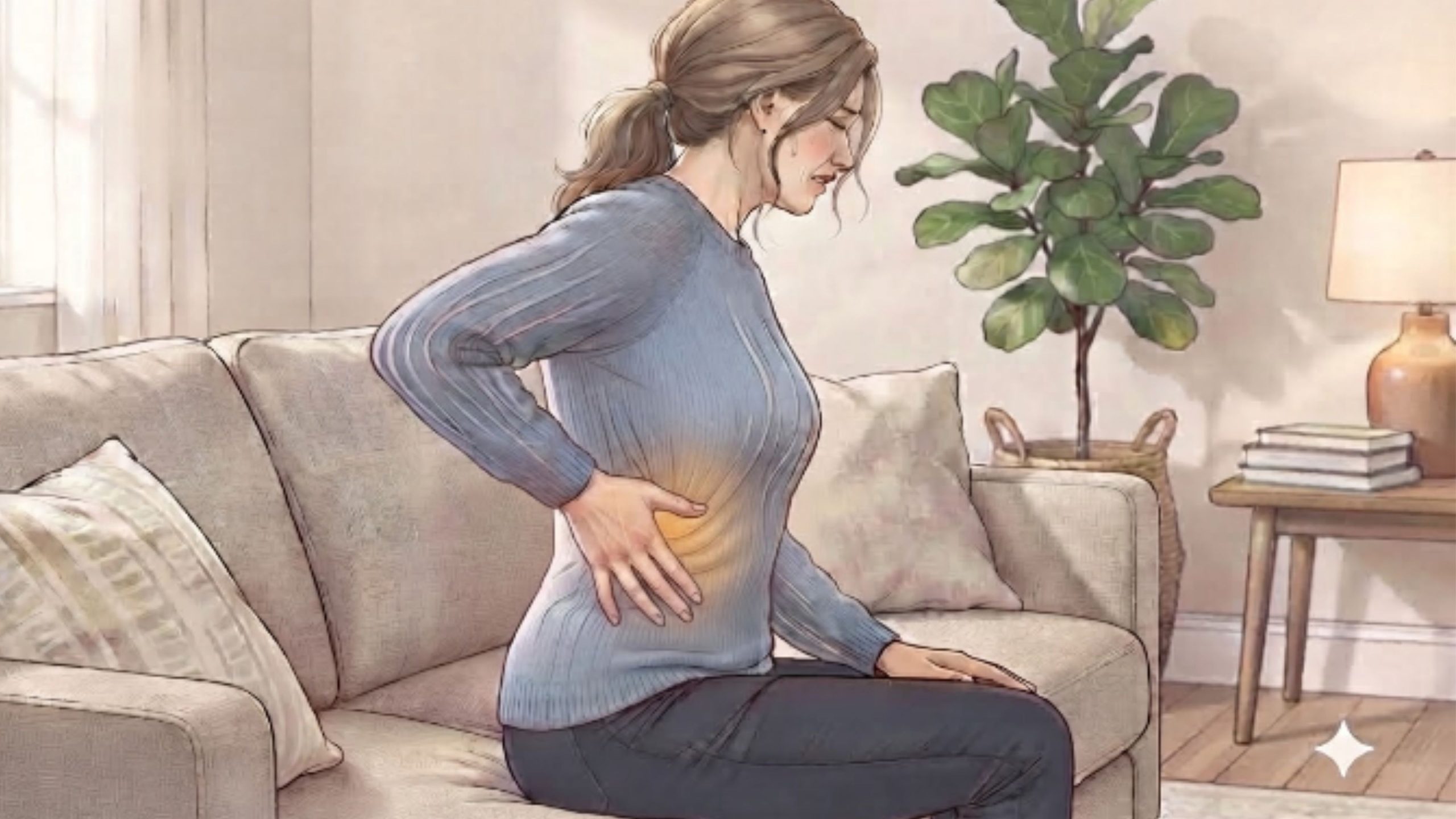
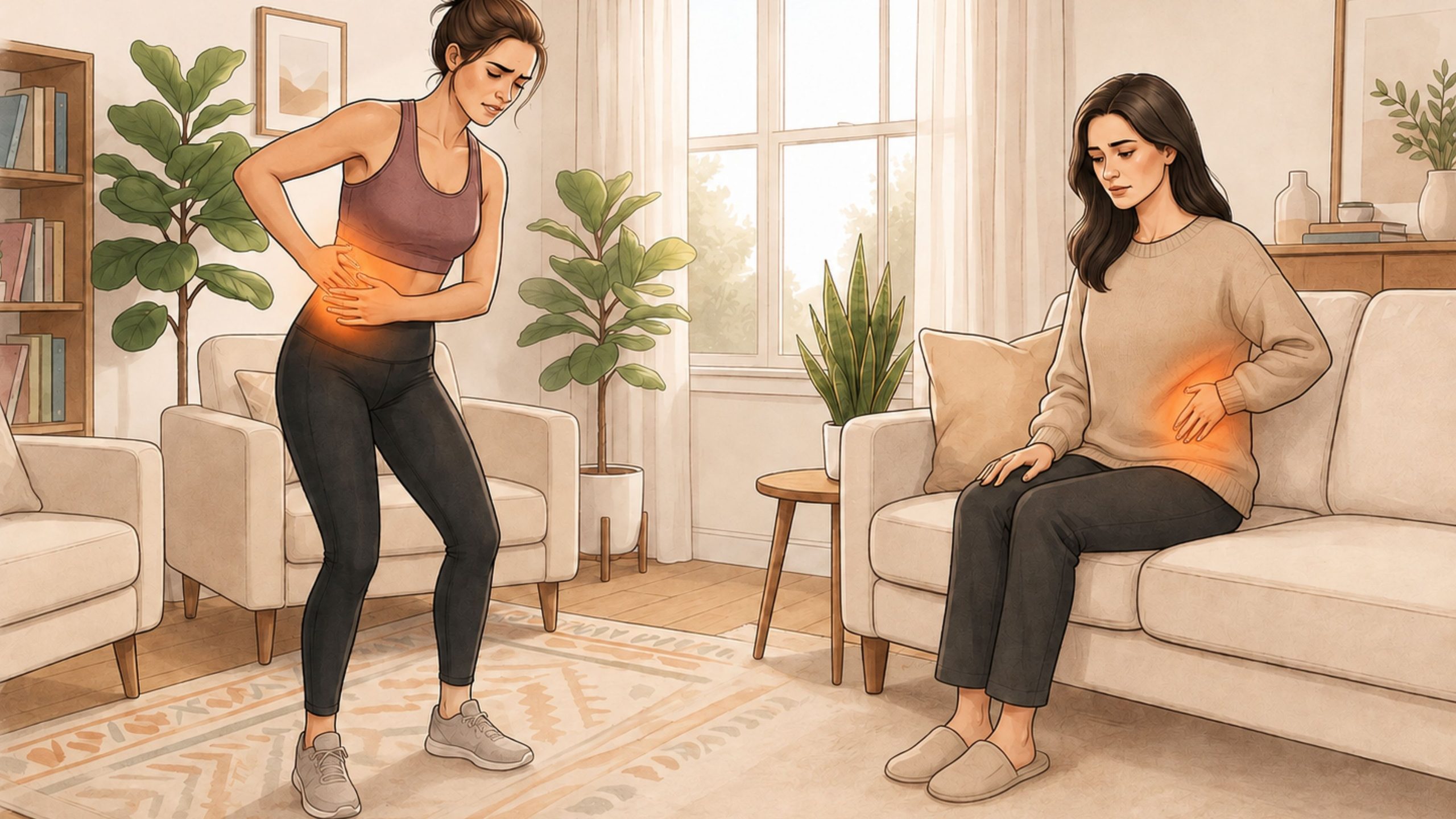
Few sensations are quite as confusing as a sharp, sudden ache or a deep, nagging pain in your side. Pain on the side of your back, whether it is right side flank pain or left side flank pain, happens in a unique part of your body [1].
Because the area between your lower ribs and hips holds major back muscles, spinal nerves, and deep organs like your kidneys, location alone cannot tell you why the pain is happening [1]. A simple muscle strain in your side can feel surprisingly deep, while early organ irritation can sometimes feel like a simple backache [1, 2].
Understanding whether your side back pain comes from a muscle or an internal organ depends on how the pain behaves, what makes it better or worse, and whether symptoms like a fever or urinary changes come with it [1, 2].
Here is how to check your symptoms, recognize potential warning signs, and learn your options for safe recovery.
What Is Flank Pain?
The flank is the side area of your torso, located between the bottom of your ribcage and the top of your hip bone [1].
Because several body systems sit close together in this area, flank pain can start in different structures [1]:
- Muscles and Soft Tissues: Deep back muscles (such as the quadratus lumborum), abdominal muscles, and tissues between your ribs.
- Spine and Nerves: Irritated or pinched nerve roots in your lower back.
- Urinary Tract and Kidneys: The organs sitting deep against the back wall of your side.
- Abdominal or Pelvic Organs: Pain spread from nearby digestive or reproductive organs.
Musculoskeletal causes are common, but flank pain can also come from the kidneys, urinary tract, or nearby organs.
So, what specific conditions actually trigger this kind of discomfort?
What Causes Flank Pain on One Side of the Back?
To manage side pain properly, it helps to know the difference between physical (musculoskeletal) causes and organ-related (internal) causes [1].
Musculoskeletal Causes
Musculoskeletal side pain usually starts after physical effort, sudden movement, or poor posture [1, 3]. Common examples include:
- Quadratus Lumborum (QL) Strain: The QL is a deep muscle that connects your pelvis to your spine and lower rib. It supports your lower back and helps you bend sideways, which makes it easy to strain during heavy or awkward lifting and creating hidden lower back pain causes [3].
- Intercostal Muscle Strain: A strain in the small muscles between your ribs, usually felt higher up on your side. This often happens from forceful twisting, persistent coughing, or sports.
- Abdominal and Lateral Muscle Strains: Strains in your side abdominal muscles (obliques) from twisting sports or sudden side-bending.
- Uneven Physical Strain: Carrying heavy bags continuously on one side, sitting slouched or twisted for long periods, or repetitive one-sided lifting [3].
Internal or Referred Causes
Internal flank pain usually stems from problems with organs located deep inside your abdomen or lower back area [1]. Key examples include:
- Kidney Stones: Mineral deposits moving through the urinary tract, which can cause severe blockage and muscle spasms [4].
- Kidney Infection: A bacterial infection that moves up from the bladder into the kidney [2].
- Gastrointestinal or Other Internal Causes: Issues in nearby digestive organs (like your colon or gallbladder) that send pain signals to your side, often overlapping with lower back and abdominal pain [1].
Knowing the possible causes is only the first step. The main question is: how can you tell whether your pain comes from a muscle or an internal organ?
How to Tell if Flank Pain Is Muscular or Internal
While a doctor must perform an exam to confirm the diagnosis, watching how your pain acts can give you useful clues [1].
| Feature | More Consistent With Musculoskeletal Pain | May Suggest an Internal Cause |
| Trigger | Often starts after lifting, exercise, sudden twisting, or repetitive one-sided movement [3]. | Frequently starts without any clear physical injury or activity [1, 4]. |
| Movement | Often changes when you bend, twist, reach, or breathe deeply [3]. | May be less affected by posture or movement [1, 4]. |
| Location | Usually stays in one specific muscle or soft tissue area [3]. | May feel deep and can spread toward your lower belly or groin [4]. |
| Tenderness | Often feels sore when you touch, press, or rub the area [3]. | May not cause obvious surface tenderness [1]. |
| Urination | Urination is usually normal in color, clarity, and comfort [3]. | You may experience burning, urgent need to go, cloudy urine, or blood [2, 4]. |
| Systemic Signs | Usually no fever, chills, nausea, or general feeling of illness [3]. | Fever, chills, nausea, vomiting, or general sickness may occur [2, 4]. |
| Pain Pattern | Usually a dull, aching, or tight feeling that often gets better with rest [3]. | Kidney stone pain often comes in severe, sharp waves [4]. |
Note on Symptom Overlap: These comparisons show common patterns, but symptoms can sometimes overlap [1]. A severe muscle spasm can feel deep and constant, while mild organ irritation can feel like a simple backache [1, 2]. This guide is for learning only and cannot replace a medical evaluation.
So, what does a deep muscle strain actually feel like in daily life?
What Does Muscular Flank Pain Feel Like?
The quadratus lumborum (QL) is a deep back muscle that supports your spine and pelvis when you stand, walk, or bend sideways [3]. While it is a common cause of side back pain, other muscles in your side can also be strained.
When a deep muscle strain occurs, it typically causes [3, 5]:
- Localized, Deep Aching: A continuous ache between your bottom rib and the top of your hip bone on one side.
- Pain with Movement: Sharp pain or stiffness when bending to the opposite side, reaching overhead, or standing up from a chair.
- Surface Tenderness: Tightness or sore spots when you press firmly on the muscle tissue in your lower back or side.
- Pain from Posture: Discomfort that may get worse after sitting awkwardly, standing for a long time, or carrying heavy objects.
But what if the pain is not coming from your muscles at all?
What Does Kidney or Internal Flank Pain Feel Like?
Pain from internal organs often feels different from a muscle strain [1]. Internal organs generally react to pressure, swelling, or blockage rather than stretching or moving joints [1, 4].
Kidney Stones
When a kidney stone blocks the tube leading from your kidney, it usually causes distinct symptoms [4]:
- Wave-Like Pain: Sudden, severe side pain that builds to a peak and then temporarily eases before returning.
- Spreading Pain: Discomfort that starts in your side back and may move down toward your lower belly, groin, or inner thigh.
- Restlessness: People with kidney stone pain often find it hard to lie still and may pace around to find relief.
- Other Symptoms: Pink, red, or brownish blood in your urine, often along with nausea or vomiting.
Kidney Infection
An infection in your kidney usually brings both local pain and body-wide symptoms [2]:
- Constant Side Pain: A steady ache in the flank that may be less affected by movement or changes in position [2].
- Fever and Feeling Sick: High fever, severe chills, fatigue, and feeling generally ill.
- Urinary Changes: Pain or burning during urination, needing to urinate often, or cloudy, strong-smelling urine.
When do these symptoms become severe enough that you should stop home care and see a doctor?
When Should You Seek Medical Attention for Flank Pain?
Knowing when side back pain needs a medical check protects your health and helps prevent serious problems [1, 6].
Seek Emergency Care Immediately
Go to urgent medical care or the emergency room if your side pain comes with [1, 6]:
- Sudden, severe pain accompanied by a high fever or confusion.
- Visible blood in your urine or being unable to urinate.
- Severe, continuous vomiting that stops you from keeping liquids down.
- Side pain after a major injury, like a bad fall or car crash.
Seek Prompt Medical Assessment
Schedule a quick doctor visit if you have [1, 6]:
- Side pain with burning urination, urgent needs to go, or cloudy urine.
- A mild fever, chills, or nausea.
- Severe wave-like pain spreading toward your groin.
- Side pain that does not begin to improve after a few days of home rest.
Once red flags and urinary warning signs are ruled out, how can you safely care for a basic muscle strain at home?
What Can You Do for Suspected Muscle-Related Flank Pain?
Only use home care when your pain is mild, clearly linked to physical activity, and occurs without any urinary or fever symptoms [1, 7].
If your symptoms point to a mild muscle strain, focus on reducing irritation while keeping your body moving gently [7].
Safe Conservative Protocols
- Adjust Your Activities: Temporarily avoid heavy lifting, deep side-bending, or twisting. Avoid total bed rest, as gentle movement helps keep your muscles mobile [7].
- Stay Lightly Active: Taking short, easy walks on flat surfaces helps keep your back mobile without overloading healing muscles [7].
- Use Temperature Therapy: Use ice packs briefly during the first day or two to soothe acute discomfort. After that, switch to gentle heat from a heating pad or warm bath to help relax tight muscles [7].
- Avoid Forceful Stretching: Do not stretch an injured side muscle aggressively. Overstretching sensitized tissue can make the irritation worse [5, 7].
Recovery Timelines
Healing time depends on how severe the muscle strain is [5]:
- Mild Strains (Grade 1): Minor strains often feel better within roughly 1 to 2 weeks with simple rest and activity changes.
- Moderate Strains (Grade 2): Partial muscle tears may require roughly 4 to 6 weeks of gradual recovery.
- Severe Strains (Grade 3): Major muscle tears can take several months to recover and may require formal assessment and rehabilitation.
After giving a strained muscle time to heal, how can you keep the pain from coming back?
Daily Habits to Reduce Recurrence
Preventing future muscle strains in your side and back comes down to managing daily physical loads and keeping your body moving well [3, 7].
- Balance Your Loads: Avoid carrying heavy bags, backpacks, or groceries on only one side of your body.
- Change Postures Often: If you sit for work, change position regularly by standing up, walking, or moving gently.
- Lift Safely: When lifting heavy items, bend at your knees and hips instead of twisting or bending sideways through your back.
- Drink Enough Water: Staying hydrated supports overall muscle function. However, drinking extra water is a general health habit, not a cure for sudden, unexplained side pain.
Final Thoughts
Side and flank pain can originate from deep muscles or internal organs, meaning location alone cannot reveal the underlying cause. Understanding how your symptoms behave is key: pain triggered by physical activity that changes with movement typically points to a musculoskeletal strain, while systemic symptoms such as fever, urinary changes, severe wave-like pain, or vomiting require formal medical assessment rather than self-diagnosis. When warning signs are absent, mild physical strains generally recover well with simple conservative care, gentle activity, and patient management.
Frequently Asked Questions (FAQs)
How to tell if side pain is muscular or internal?
Muscular pain usually sharpens when you move or press the area, while internal pain tends to feel deep, stays constant regardless of movement, and may occur with fever or urinary changes.
How do I know if I have a pulled muscle in my side?
A pulled side muscle typically starts after physical strain, feels sore to the touch, and hurts during specific body movements.
How to tell if side pain is muscle or kidney?
Kidney pain is felt deep in the flank, remains unchanged by body position, and often causes fever or urinary symptoms, whereas muscle pain changes with movement and lacks fever or urinary signs.
How long does a strained side muscle take to heal?
Recovery typically takes roughly 1 to 2 weeks for mild strains, 4 to 6 weeks for moderate tears, and several months for severe strains.
What does right-side flank pain mean?
Right-side flank pain can come from a muscle strain, kidney problem, or nearby organs such as the gallbladder, so other symptoms and how the pain behaves help determine whether medical assessment is needed.
References
- Bueschen AJ. Flank Pain. In: Walker HK, Hall WD, Hurst JW, editors. Clinical Methods: The History, Physical, and Laboratory Examinations. 3rd ed. Boston: Butterworths; 1990. Chapter 182 https://www.ncbi.nlm.nih.gov/books/NBK292/
- Ramakrishnan K, Scheid DC. Diagnosis and management of acute pyelonephritis in adults. Am Fam Physician. 2005;71(5):933-942. https://pubmed.ncbi.nlm.nih.gov/15768623/
- DeFranca GG, Levine LJ. The quadratus lumborum and low back pain. J Manipulative Physiol Ther. 1991;14(2):142-149. https://pubmed.ncbi.nlm.nih.gov/1826922/
- Corbo J, Wang J. Kidney stones: medical management for acute and recurrent stone disease. Emerg Med Clin North Am. 2019;37(4):637-648. doi:10.1016/j.emc.2019.07.004 https://doi.org/10.1016/j.emc.2019.07.004
- Maffulli N, Del Buono A, Oliva F, et al. Muscle injuries: a brief guide to classification and management. Transl Med UniSa. 2014;12:14-18. Published 2014 Sep 1. https://pubmed.ncbi.nlm.nih.gov/26535183/
- Assessment of Asymptomatic Microscopic Hematuria in Adults https://pubmed.ncbi.nlm.nih.gov/24364522/
- Oliveira CB, Maher CG, Pinto RZ, et al. Clinical practice guidelines for the management of non-specific low back pain in primary care: an updated overview. Eur Spine J. 2018;27(11):2791-2803. doi:10.1007/s00586-018-5673-2 https://doi.org/10.1007/s00586-018-5673-2