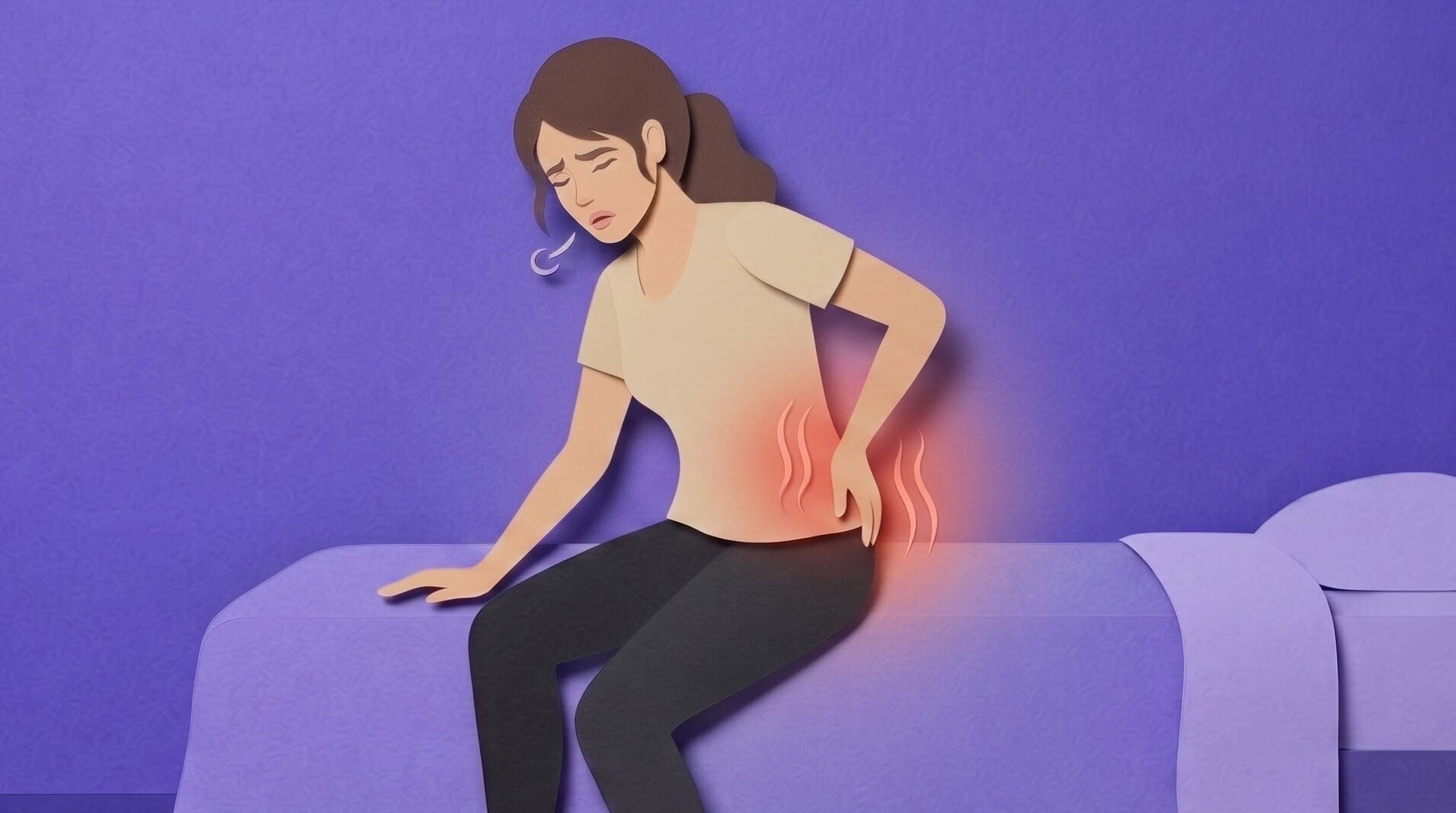




The moment your lower back gives out, the unwanted advice starts pouring in: your elders tell you to rub strong hot balms or get a deep massage from a local masseur, while modern physical therapists warn you not to touch it at all. The debate between traditional Desi remedies and modern sports medicine is fierce, but doing the wrong thing during an acute back strain can actually double your recovery time.
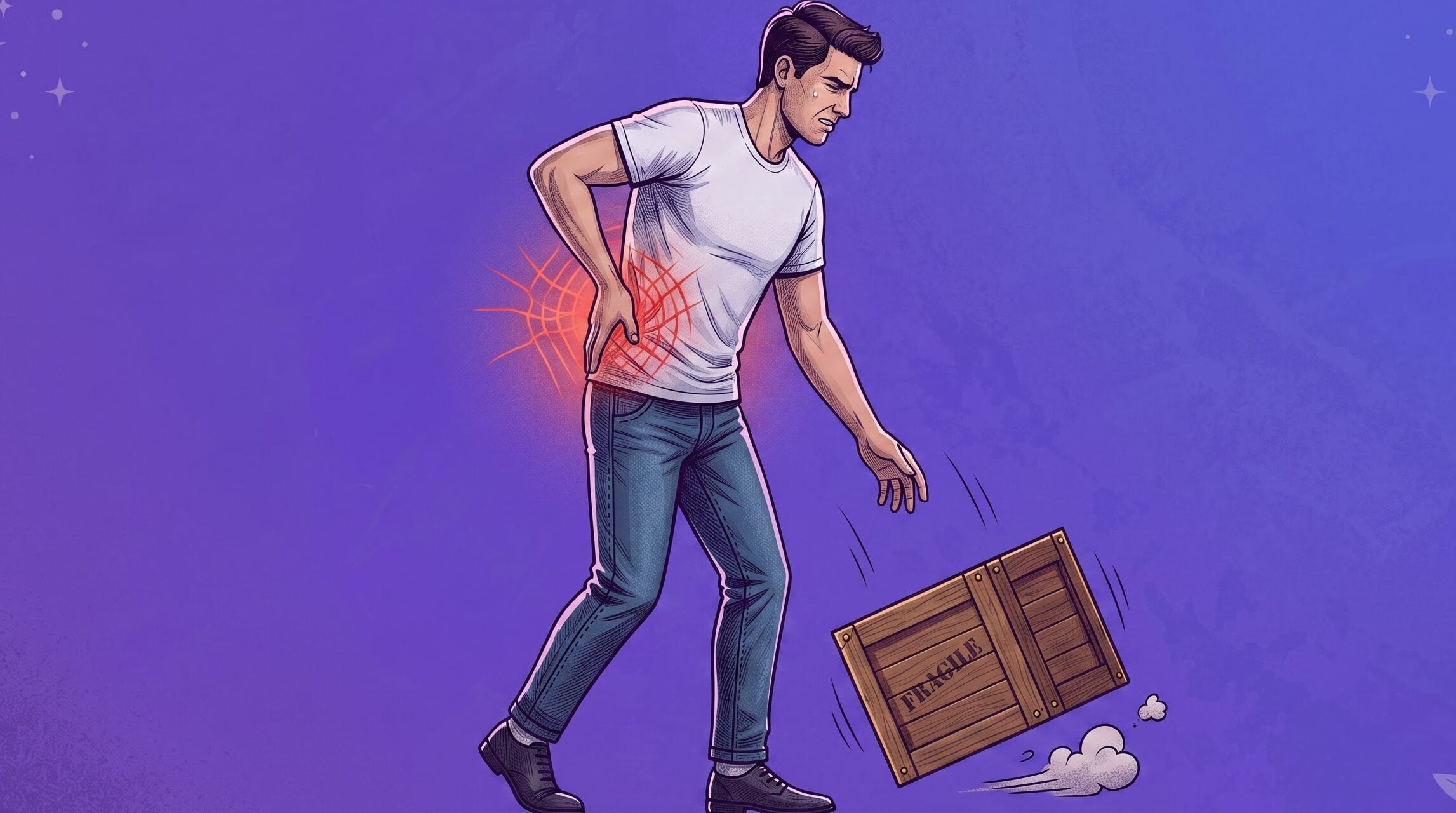
When a sudden back strain occurs, whether from hoisting a heavy box or pulling a heavy deadlift, your muscles go into an emergency spasm. Understanding the difference between a muscle strain vs ligament sprain helps you bypass harmful advice and start safe home recovery immediately.
Relief and Recovery for Sudden Muscle Injuries
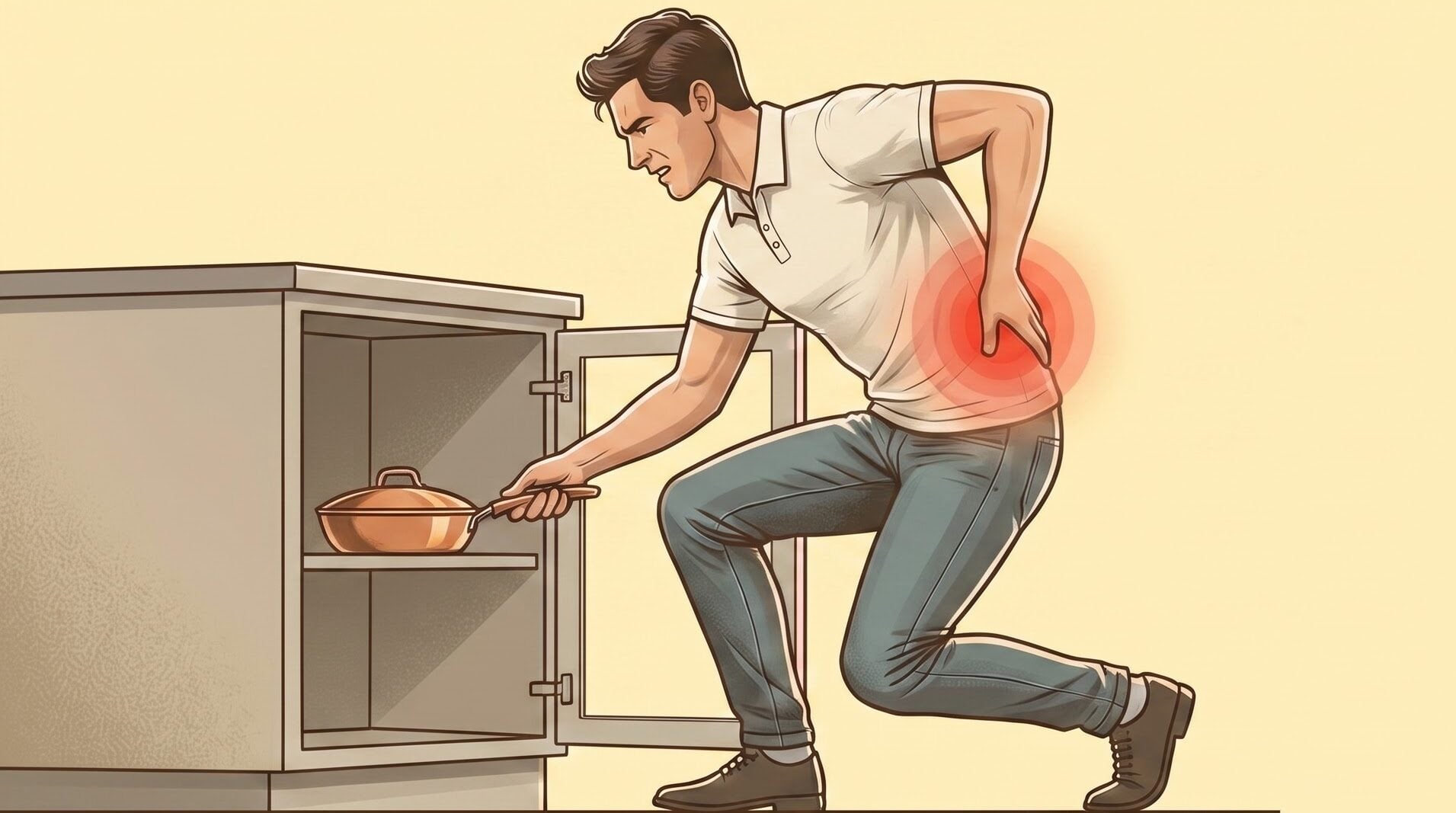
It happens in a single, unguarded instant, or builds up quietly over time. You twist while lifting a heavy box, jerk upward during a deadlift, or haul an LPG cylinder into the kitchen. Other times, it stems from repetitive strain: hours of slouching over a laptop, repeated heavy lifting at work, or endless household chores without a rest break.
This sudden lockdown is an acute back strain. Whether triggered by a single heavy lift or weeks of micro-stress, a back strain is your body’s emergency brake. Your muscles spasm to shield your spinal nerves from further strain.
Understanding what happens during a back strain, knowing the difference between a muscle strain and a sprain, and taking smart recovery steps at home will help you relieve pain and get moving safely again.
What Actually Happens during a back strain? (Strains vs. Sprains)
Did you Pull a Muscle or Sprain a Ligament? Strains vs. Sprains Explained
People often use the terms “pulled back” or “thrown out back” interchangeably, but soft-tissue injuries fall into two distinct anatomical categories:
Back Strains (Muscle Tears): A strain occurs when muscle fibres or their connecting tendons are stretched beyond their yield point, resulting in microscopic or partial tearing. This typically happens during dynamic movements involving rotation or sudden contraction, such as lifting while twisting. The erector spinae and quadratus lumborum are the most commonly strained muscle groups.[1]
Back Sprains (Ligament Tears): A sprain involves damage to the tough, fibrous ligaments that bind your vertebrae together and stabilise the spinal joints. Sprains occur when a joint is forced past its normal range of motion, stretching or tearing these static stabilisers.[1]
Because muscles and ligaments sit side-by-side in the lumbar complex, severe acute trauma frequently involves a combination of both strain and sprain.
Recognising Back Strains & Sprains: Key Symptoms and Sensations
Recognising the signs of a back strain or sprain comes down to paying attention to how your body reacts immediately after an injury and in the hours following. The most prominent indicator is localised back pain that sharpens significantly whenever you attempt to move, bend forward, or twist.
You may experience intense muscle cramping or spasms, sudden, uncontrollable contractions that lock up your lower back and leave the area tender to the touch. Physically, you will notice a marked decrease in your range of motion; standing up completely straight, walking comfortably, or leaning sideways can suddenly feel overwhelming or nearly impossible. In some cases, you might even hear or feel a distinct “pop” or tearing sensation at the exact moment the injury occurs. Overall, your back will feel stiff, aching, and unstable, as if the muscles and supporting tissues can no longer comfortably bear your body weight.
What might cause your back strains or back sprains?
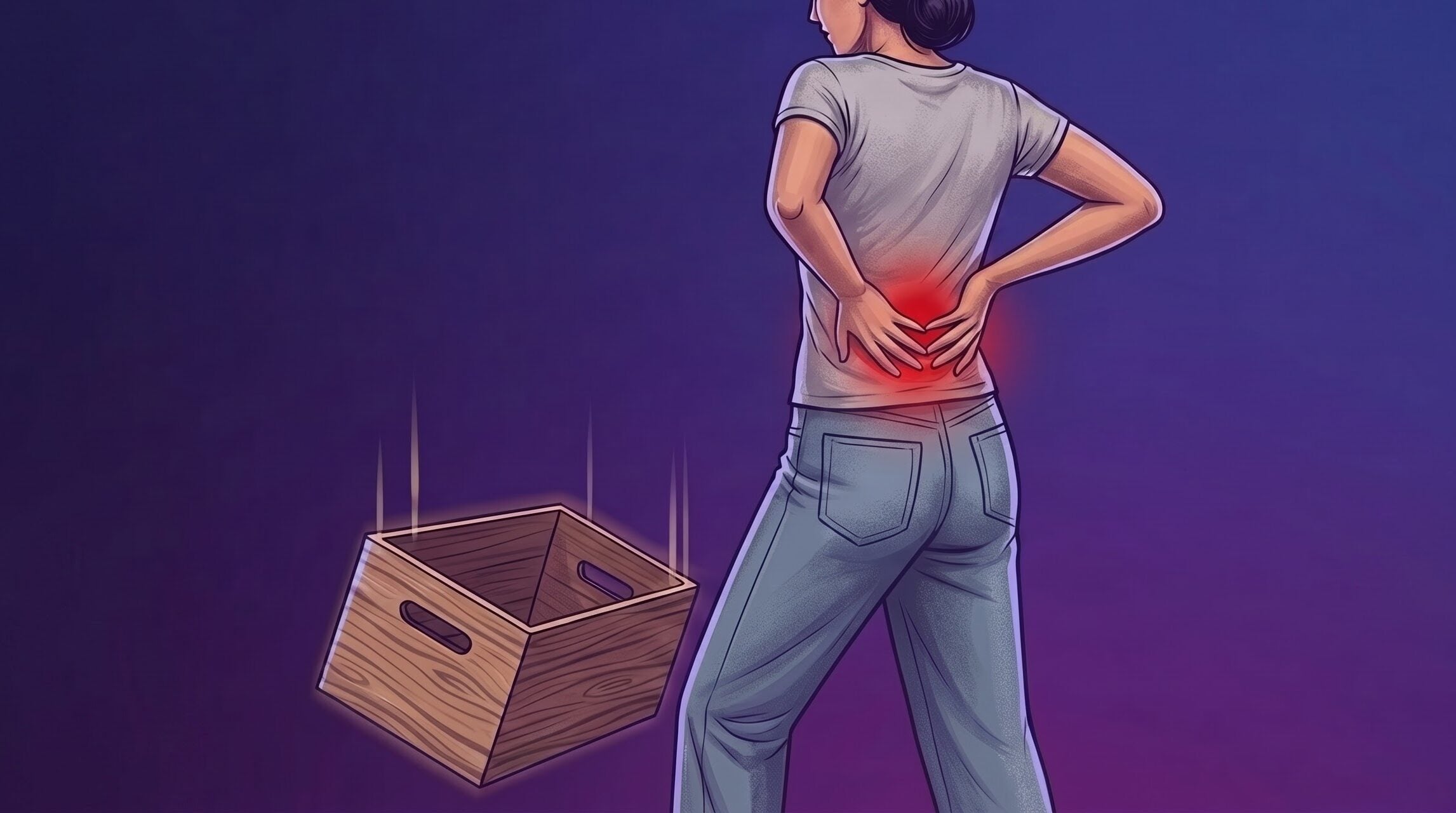
Acute Muscle Strain (Improper Lifting)
Your lower back muscles suddenly overstretch under the load, causing a sharp, immediate muscle strain.
Chronic Muscle Strain (Repetitive Overuse)
Continuous micro-tears build up in your back muscles over time, leading to persistent soreness and a chronic strain.
Carrying heavy items or lifting awkward loads can trigger sudden muscle guarding. If everyday household tasks frequently leave your back locked up, read our practical guide on managing household chores with back spasms
Ligament Sprain (Sudden Twist or Slip)
Example: While playing basketball or walking on ice, your foot slips and your torso twists violently to regain balance.
The sudden force stretches the ligaments supporting your spine beyond their normal range, resulting in a sprain.
Ligament Sprain (Direct Impact or Fall)
Example: You miss a step on the stairs, fall backwards, and hit your lower back hard against the steps.
The sudden force pushes the spinal joints out of alignment, causing a painful tear or stretch in the ligaments.
How to treat a back strain? R.I.C.E. Therapy at Home?
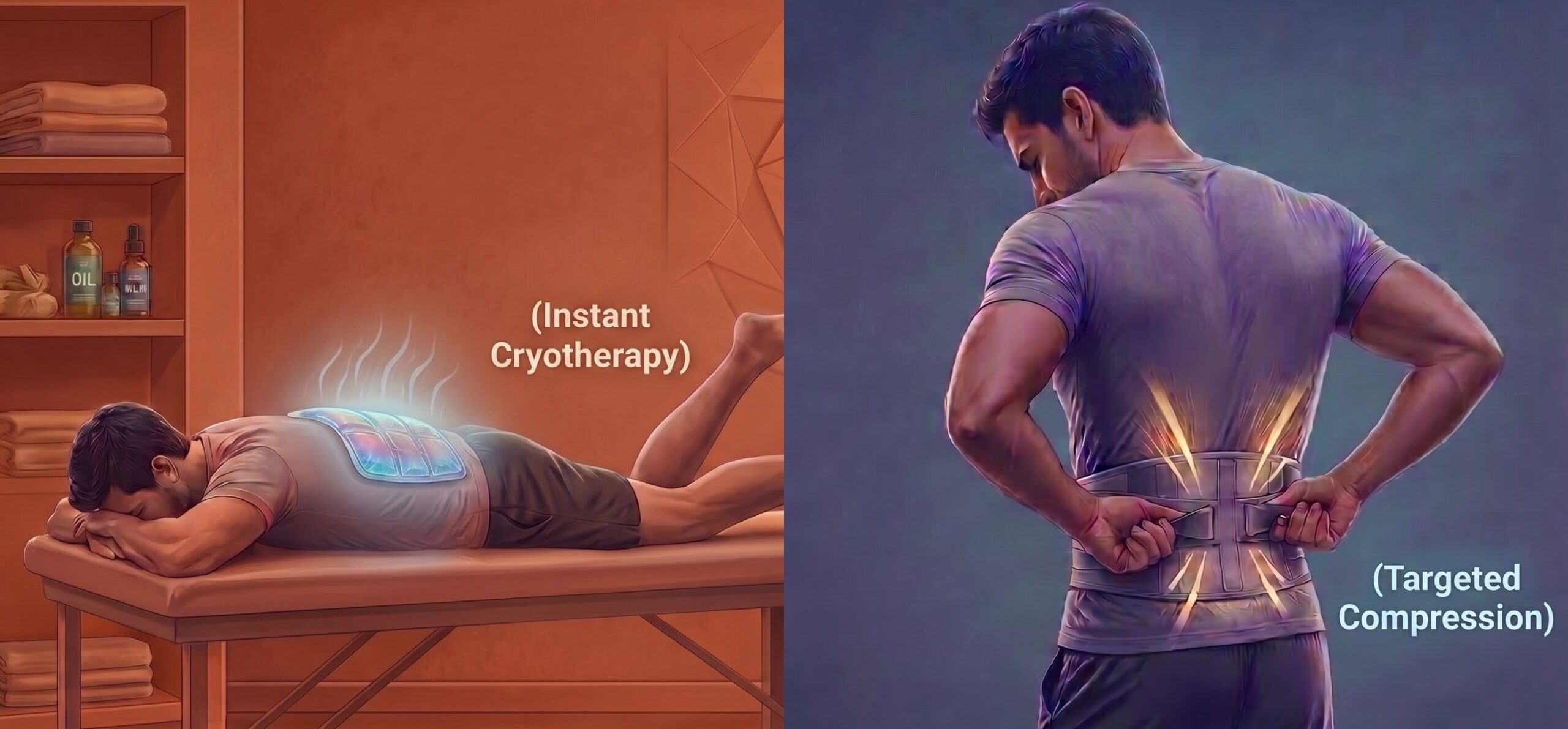
The first 48 hours following an acute back strain are critical for controlling tissue swelling and calming intense protective spasms. Physical therapy protocols emphasise non-invasive, immediate offloading through the classic R.I.C.E. framework (Rest, Ice, Compression, Elevation)[3]
Instant Cryotherapy to Calm Inflammatory Swelling
Applying cold therapy during the acute phase causes local vasoconstriction, narrowing ruptured capillaries and slowing down the influx of swelling fluid into damaged tissue.
Action: Apply instant-activation cold therapy packs to the injured lower back area for 15 to 20 minutes every 2 to 3 hours during the initial 48-hour window.[2]
Targeted Compression to Reduce Guarding and Spasm
Compression provides gentle physical feedback to inflamed tissues, helping to absorb swelling and giving hyper-reactive muscles a sense of mechanical stability.
Action: Secure a supportive, adjustable wrap around the lower waist to support damaged fibres without restricting normal abdominal breathing.
What Is the Physiotherapist-Approved Action Plan to recover from back strain?
While complete bed rest was once recommended for back injuries, modern sports physical therapy strongly advises against prolonged immobility. Resting flat in bed for more than 24 to 48 hours causes muscle stiffness, reduces nutrient blood flow to damaged tissues, and delays healing.
Shift from Strict Rest to Active Recovery
Limit lying flat to short 20-minute periods in a position of comfort (such as lying on your back with knees bent at 90 degrees over a pillow).
Avoid heavy lifting, sudden bending, or twisting while tissues are actively inflamed, but keep moving around your living room at regular intervals.
Gentle Frequent Walking to Boost Circulation
Why It Works: Walking is a natural, low-impact rhythmic movement that engages core stabilisers gently without subjecting the spine to severe load.
Protocol: Take brief 5-to-10-minute slow walks on flat indoor surfaces every hour. This encourages fresh oxygenated blood to circulate through torn muscle fibers, flushing out metabolic waste products and accelerating repair.[3]
Home Remedies & Smart Tools for Back Strain Recovery
To calm acute muscle spasms, support soft-tissue repair, and maintain daily mobility, combine these evidence-based home remedies with subtle physical support:
Cold Therapy for Immediate Relief (First 48 Hours)
Right after a sudden back strain, apply an ice pack or use a fast-acting cooling option like Betterhood Pain Relief and Recovery Spray for 15 to 20 minutes every 2 to 3 hours. Targeted cold application reduces localised inflammation, numbs sharp nerve pain, and helps relax protective muscle guarding without messy ice leaks.
Soothing Heat & Gentle Movement (After 48–72 Hours)
Once acute swelling settles, switch to moist heat using a heating pad or warm towel for 15 to 20 minutes before gentle stretching. Heat increases blood circulation, bringing fresh oxygen and repair nutrients to stiff muscle fibres.
Posture Support While Sitting
Sitting during injury recovery places extra pressure on healing back muscles. Using an ergonomic backrest, such as a Betterhood Lumbar Support Cushion, helps maintain your spine’s natural curve, taking mechanical stress off your lower back while working at your desk or driving.
Controlled Rest & Gradual Movement
Avoid prolonged bed rest, which can cause muscles to stiffen further. Instead, practice short, low-impact walking breaks on flat surfaces every 1 to 2 hours to keep your joints lubricated and promote faster recovery.
Conclusion
A sudden or repetitive back strain can feel alarming, but remember that your spine is naturally strong and resilient. The intense pain and locking sensation are simply your muscles working in overdrive to protect you. By prioritising smart, evidence-based home care, balancing ice or cooling sprays, gentle movement, and ergonomic back support, you give your muscle fibres the optimal environment to repair and rebuild. Stay consistent with your recovery, listen to your body, and avoid staying motionless for too long. With time and gentle care, your back will regain its natural strength and full range of motion.
Disclaimer
The information provided in this article is for educational and informational purposes only and is not intended as medical advice, diagnosis, or treatment. Always seek the advice of a qualified healthcare professional, physiotherapist, or orthopaedic specialist regarding any medical condition or before starting any new exercise routine, back strain treatment, or using support devices. Never disregard professional medical advice or delay seeking it because of something you have read on this website.
FAQ
How long does recovery usually take?
Mild to Moderate Strains: Typically resolve within 1 to 2 weeks, as muscle tissue benefits from a strong blood supply that accelerates healing.
Sprains: May take anywhere from 2 to 6 weeks (or longer) because ligaments have less blood circulation and heal more slowly.
Is bed rest recommended during recovery?
No. Extended bed rest slows down recovery and can cause muscle stiffness, weakness, and loss of flexibility. Medical guidelines advise resuming light daily activities as tolerated after 24–48 hours of initial rest, followed by gentle stretching and walking to increase blood flow.
When should you seek immediate medical attention?
You should consult a healthcare provider if you experience:
Severe pain that does not improve after a few days.
Pain accompanied by numbness, tingling, or weakness in the legs or feet.
Loss of bowel or bladder control (a potential medical emergency known as Cauda Equina Syndrome).
Pain following a major traumatic event (e.g., a car crash or high fall).[6]
References
- Johns Hopkins Medicinehttps://www.hopkinsmedicine.org/health/conditions-and-diseases/sports-injuries
- National Institutes of Health
- https://my.clevelandclinic.org/health/treatments/rice-method
- Harvard Health Publishing
- https://www.mayoclinic.org/diseases-conditions/back-pain/expert-answers/tailbone-pain/faq-20058211
- Cleveland Clinic – Lower Back Pain Causes & Treatment
- https://www.nhs.uk/conditions/back-pain/